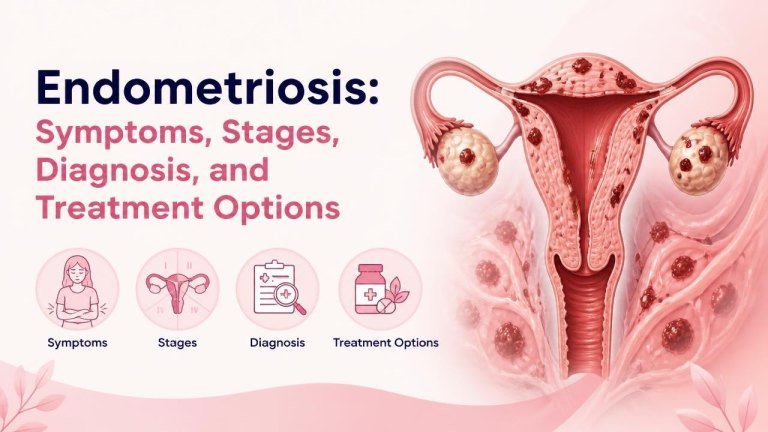
Endometriosis is a chronic condition in which tissue similar to the lining of the uterus grows outside the uterus. It can affect the ovaries, fallopian tubes, pelvic lining, bowel, bladder, and other nearby areas. Although symptoms vary widely, endometriosis may cause significant pain, heavy or irregular bleeding, digestive symptoms, and difficulty becoming pregnant.
Understanding the possible symptoms, how doctors diagnose the condition, and which treatments are available can help you make informed decisions about your health.
What Is Endometriosis?
Endometriosis involves the growth of tissue similar to the uterine lining outside the uterus. This tissue can respond to hormonal changes during the menstrual cycle, leading to inflammation, irritation, and the formation of scar tissue or adhesions. Over time, these changes may affect nearby organs and contribute to chronic pelvic pain.
Endometriosis is different for everyone. Some people have extensive disease with few symptoms, while others experience severe symptoms even when visible lesions appear limited.
Common Symptoms of Endometriosis
Symptoms can begin during adolescence or adulthood and may change over time. Common signs include painful periods, pelvic pain, and discomfort that interferes with daily activities.
- Severe menstrual cramps that do not improve with usual pain relief
- Pain during or after sexual intercourse
- Pain with bowel movements or urination, particularly during menstruation
- Heavy menstrual bleeding or bleeding between periods
- Abdominal bloating, constipation, diarrhea, nausea, or other digestive symptoms
- Persistent fatigue
- Difficulty becoming pregnant
The location of endometrial-like tissue can influence symptoms. For example, lesions near the bowel may cause bowel-related symptoms such as painful bowel movements, while ovarian endometriosis may be associated with cysts called endometriomas.
When Symptoms May Need Medical Attention
Consider speaking with a healthcare professional if period pain limits your activities, symptoms are worsening, or over-the-counter treatment is no longer effective. Seek prompt medical advice for unexpected heavy bleeding, severe sudden pain, fainting, fever, or symptoms that may suggest another urgent condition.
Endometriosis Stages and Severity
Doctors may describe endometriosis using stages based on the location, amount, depth, and extent of lesions, as well as adhesions and ovarian cysts. The commonly used stages are minimal, mild, moderate, and severe.
- Stage I, minimal: Small or superficial lesions with little or no scar tissue.
- Stage II, mild: More lesions or deeper involvement, generally with limited adhesions.
- Stage III, moderate: Deeper lesions, more significant adhesions, or ovarian endometriomas may be present.
- Stage IV, severe: Extensive lesions, dense adhesions, and larger or more complex ovarian involvement may occur.
Stages do not always predict the level of pain or other symptoms. Someone with early-stage disease may have severe pain, while another person with advanced disease may have few noticeable symptoms. Treatment decisions should therefore consider symptoms, fertility goals, examination findings, and personal preferences—not stage alone.
How Endometriosis Is Diagnosed
Diagnosis usually begins with a detailed discussion of symptoms, menstrual history, medical history, and any impact on fertility or daily life. A clinician may perform a pelvic examination and order imaging to look for cysts or other findings.
Ultrasound is often used to evaluate the pelvis and may identify ovarian endometriomas or other abnormalities. MRI can provide more detailed images in selected cases, particularly when deep endometriosis is suspected. Normal imaging does not always exclude the condition because small or superficial lesions may not be visible.
The Role of Laparoscopy
Laparoscopy is a minimally invasive surgical procedure that allows a surgeon to view the pelvic organs directly. It may help confirm the diagnosis and can sometimes allow treatment during the same procedure. However, whether surgery is appropriate depends on symptom severity, imaging findings, previous treatments, fertility plans, and potential surgical risks.
There is no single test that explains every case of pelvic pain. Conditions such as fibroids, pelvic infections, irritable bowel syndrome, bladder disorders, and adenomyosis can cause similar symptoms, so a careful evaluation is important.

Endometriosis Treatment Options
There is no universal treatment plan. Care is usually tailored to the person’s symptoms, age, reproductive goals, medical history, and response to previous treatment. Options may include medication, surgery, or a combination of approaches.
Pain Relief and Hormonal Treatment
Nonsteroidal anti-inflammatory drugs may help reduce menstrual pain for some people when used as directed. Hormonal treatments can reduce or stop ovulation and menstrual bleeding changes, which may limit the hormonal stimulation of endometrial-like tissue.
Options may include combined hormonal contraceptives, progestin-based treatments, and other hormone-suppressing medicines. Some treatments can cause side effects or may not be suitable for people with certain health conditions. A clinician can explain the expected benefits, risks, and alternatives.
Surgery
Surgery may be considered when pain remains severe despite medical treatment, when endometriomas or deep lesions cause problems, or when disease affects organs. During surgery, a specialist may remove or destroy lesions and release adhesions. Surgery can improve symptoms for some people, but symptoms may return, and repeat procedures are not always the best option.
Before surgery, ask about the surgeon’s experience with advanced endometriosis, possible effects on fertility, recovery time, and the likelihood of needing additional treatment.
Fertility-Focused Care
Endometriosis may affect fertility through inflammation, adhesions, ovarian involvement, or changes in pelvic anatomy. If pregnancy is a goal, discuss fertility planning early with a gynecologist or fertility specialist. Depending on individual circumstances, options may include timed conception, fertility medication, intrauterine insemination, or in vitro fertilization.
Fertility treatment should be individualized, especially when ovarian surgery could affect ovarian reserve. A specialist can help balance symptom treatment with reproductive goals.
Living With Endometriosis
Medical treatment is often only one part of long-term care. Keeping a symptom diary may help identify patterns involving pain, bleeding, digestion, fatigue and other symptoms, and medications. Gentle physical activity, adequate sleep, stress-management techniques, and support from trusted people may also help improve quality of life.
Some people benefit from pelvic floor physical therapy, counseling, nutritional guidance, or a multidisciplinary pain program. These approaches do not replace medical treatment, but they may complement it and support everyday functioning.
When to Talk With a Healthcare Professional
Make an appointment if menstrual or pelvic pain is persistent, worsening, or interfering with work, school, relationships, sleep, or exercise. You should also seek evaluation for pain during sex, unexplained fertility difficulties, bowel or bladder symptoms linked to menstruation, or bleeding that seems unusual for you.
Early discussion can help identify possible causes and create a treatment plan based on your priorities. If you experience sudden severe pelvic pain, heavy bleeding, weakness, or fainting, seek urgent medical care.
Key Takeaway
Endometriosis can cause pain, bleeding changes, digestive or urinary symptoms, and fertility challenges, but symptoms and disease extent vary widely. Diagnosis may involve a clinical assessment, imaging, and sometimes laparoscopy. Treatment can include pain relief, hormonal therapy, surgery, fertility care, and supportive therapies. A healthcare professional can help you choose an approach that fits your symptoms and goals.
This article is for general education and is not a substitute for personalized medical advice.