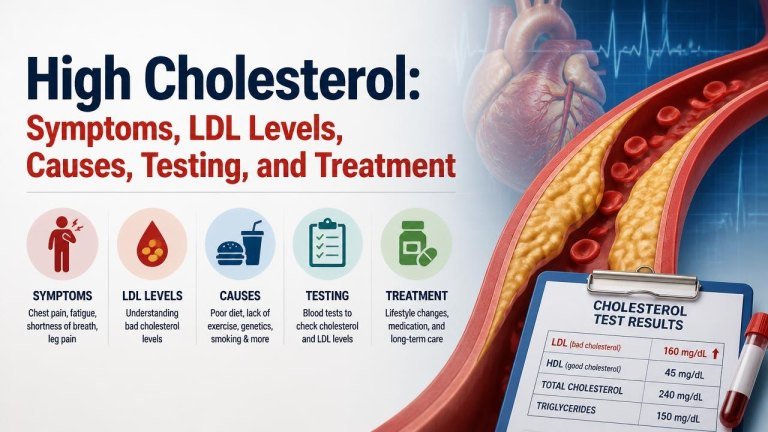
High cholesterol is a common health concern that can develop without noticeable warning signs. Because excess cholesterol may contribute to plaque buildup in the arteries, understanding your results and reducing overall cardiovascular risk is important.
What Is High Cholesterol?
Cholesterol is a waxy substance your body needs to make hormones, vitamin D, and substances that help digest food. Your liver produces much of it, while the rest comes from animal-based foods. Problems can occur when cholesterol levels become unbalanced, especially when LDL cholesterol, often called “bad” cholesterol, is too high.
Cholesterol travels through the bloodstream inside particles called lipoproteins. HDL cholesterol helps carry cholesterol back to the liver for removal, while triglycerides are another type of blood fat that can affect cardiovascular health.
High Cholesterol Symptoms
High cholesterol usually causes no obvious symptoms. Many people discover it only after a blood test. This is why routine screening can be valuable even when you feel healthy and have no known heart problems.

In severe, inherited cases, deposits of cholesterol may appear under the skin or around the eyes. However, these signs are uncommon and should not be used to determine whether your cholesterol is high. The most reliable approach is a lipid panel interpreted alongside your other heart disease risk factors.
Understanding LDL and Other Cholesterol Levels
LDL levels are one of the most important parts of a cholesterol evaluation. In general, a lower LDL level is associated with lower cardiovascular risk, although the ideal target depends on your medical history and overall risk.
- LDL cholesterol: Often linked with plaque buildup in the arteries when elevated.
- HDL cholesterol: Helps transport cholesterol to the liver, but a higher number does not cancel out other risks.
- Triglycerides: Blood fats that may rise with excess weight, diabetes, alcohol use, or certain medical conditions.
- Total cholesterol: A combined measurement that should be considered with LDL, HDL, triglycerides, and personal risk.
There is no single LDL target that applies to everyone. People with a history of heart attack, stroke, peripheral artery disease, diabetes, or certain inherited conditions may need a more aggressive treatment plan. Ask your clinician how your results fit your individual risk profile.
Causes and Risk Factors
High cholesterol can result from a combination of inherited traits, diet, health conditions, and lifestyle factors. Some people have high cholesterol despite eating well and maintaining a healthy weight because of genetic causes.
Common Lifestyle and Medical Factors
A diet high in saturated fat and trans fat can raise LDL cholesterol. Limited physical activity, smoking, excess alcohol, and excess body weight may also affect cholesterol and cardiovascular risk. Medical conditions such as diabetes, kidney disease, thyroid disorders, and some liver conditions can contribute as well.
Certain medicines may change cholesterol or triglyceride levels. If your results change unexpectedly, review your medications and supplements with a healthcare professional rather than stopping treatment on your own.
Inherited High Cholesterol
Familial hypercholesterolemia is an inherited condition that can cause very high LDL levels from an early age. A family history of early heart disease, very high cholesterol, or known familial hypercholesterolemia may justify earlier testing and evaluation of relatives.

How Cholesterol Is Tested
A cholesterol test is usually performed with a blood sample called a lipid panel. It commonly measures LDL, HDL, total cholesterol, and triglycerides.
Depending on the laboratory and your medical situation, fasting may or may not be necessary. Follow the instructions provided by your healthcare team. Results should be considered alongside your age, blood pressure, smoking status, diabetes history, family history, and any prior cardiovascular disease.
One result does not always tell the whole story. Your clinician may repeat the test, investigate a possible underlying condition, or assess how your levels respond to lifestyle changes or medication.
How to Lower Cholesterol
For many people, treatment begins with sustainable lifestyle changes. Focus on an eating pattern rich in vegetables, fruits, whole grains, beans, nuts, and fish. Replace foods high in saturated fat with sources of unsaturated fat, such as olive oil, avocados, and certain nuts.
- Choose lean proteins and more plant-based meals.
- Increase soluble fiber from foods such as oats, beans, and some fruits.
- Exercise regularly according to your abilities and medical guidance.
- Stop smoking and limit alcohol if advised.
- Work toward a healthy weight without relying on extreme diets.
These steps may improve LDL cholesterol, triglycerides, blood pressure, and blood sugar. They are helpful whether or not you also need medication.
Cholesterol Medicines
If lifestyle changes are not enough, or if your cardiovascular risk is high, your clinician may recommend medication. Statins are commonly used because they reduce LDL cholesterol and lower the risk of major cardiovascular events in appropriate patients.
Other options may be considered when statins are not tolerated, do not reduce LDL enough, or are unsuitable for a particular person. Treatment decisions should account for benefits and side effects, other medicines, pregnancy plans, liver or kidney health, and personal preferences.
Do not stop a prescribed cholesterol medicine without speaking with your clinician. If you notice muscle pain, unusual weakness, dark urine, or another concerning symptom, contact your healthcare team promptly.
When to Speak With a Healthcare Professional
Arrange a cholesterol evaluation if you have a strong family history, diabetes, high blood pressure, kidney disease, or a history of cardiovascular disease. Regular testing may also be appropriate based on your age and overall health.
High cholesterol itself is generally silent, but symptoms such as chest pain, sudden weakness, trouble speaking, or severe shortness of breath can signal an emergency unrelated to waiting for a cholesterol appointment. Seek urgent medical care for these symptoms.
The Bottom Line
High cholesterol often has no symptoms, so testing is the only dependable way to identify it. Understanding your LDL level, addressing modifiable risk factors, and following a personalized treatment plan can help protect long-term heart and blood vessel health.