Japan changes dramatically with the seasons, so the best time to visit Japan by season depends on the experience you want most. Spring brings iconic cherry blossoms, autumn paints temples and mountains in vivid colors, and winter combines crisp city days with snowy landscapes, hot springs, and excellent skiing.
Because Japan stretches from subtropical Okinawa to snowy Hokkaido, seasonal conditions vary considerably. A comfortable month in Tokyo may be cold and snowy in the mountains, while Okinawa can remain mild during the winter. Use this guide to match your itinerary with the scenery, weather, and travel atmosphere you prefer.
When Is the Best Time to Visit Japan?
The most popular periods are late March to early April for cherry blossoms and late October to early December for autumn foliage. Winter, from December to February, is ideal for snow sports, hot springs, winter illuminations, and quieter sightseeing in many cities.
There is no single best season for every traveler. Spring and autumn usually offer comfortable conditions for walking and sightseeing, but they can also bring heavy demand at famous destinations. Winter is often a better choice for travelers who want distinctive landscapes, seasonal food, or a more relaxed urban experience outside the New Year holiday period, as explained in this seasonal guide to Japan.

Japan in Spring: Cherry Blossoms and Fresh Greenery
Spring is the season most closely associated with Japan. The cherry blossom front generally moves from south to north, with flowering beginning earlier in warmer regions and arriving later in northern Japan. In many central destinations, the most anticipated viewing period falls around late March or early April, although exact timing changes each year.
Cherry blossoms are beautiful but short-lived. Wind, rain, and temperature changes can affect the peak, so travelers should avoid building an entire trip around one exact date. Checking the latest local blossom forecast before departure is essential, especially if you are planning visits to Tokyo, Kyoto, Osaka, or Mount Yoshino.
Spring temperatures can be changeable. Sunny afternoons may feel mild, while mornings and evenings can be cool enough for a jacket. Pack light layers, comfortable walking shoes, and a compact rain layer for hanami picnics and long days outdoors.

Best Spring Destinations
Tokyo combines riverside parks, landscaped gardens, and lively neighborhoods with easy access to seasonal attractions. The city’s things to do in Tokyo extend across many neighborhoods, while Kyoto is especially atmospheric when blossoms frame temples, traditional streets, and quiet garden paths, though its most famous sites can become very busy.
For a less urban experience, consider Himeji, Nara, Kanazawa, or the countryside around Nagano. Northern destinations such as Tohoku and Hokkaido offer later blossom periods, making them useful options if your schedule falls after the main flowering season in central Japan.
Spring Travel Considerations
Cherry blossom season is one of Japan’s busiest travel periods. Flights, hotels, trains, and popular restaurants may be in high demand, particularly around weekends. Reserve important accommodation early and keep your itinerary flexible enough to follow the blossoms rather than relying on one city alone.
Late April and early May include Golden Week, a major domestic holiday period. Transportation and attractions can become exceptionally crowded, and accommodation prices may rise. If your trip overlaps this period, book well ahead and allow extra time for transfers.
Japan in Autumn: Foliage, Food, and Comfortable Weather
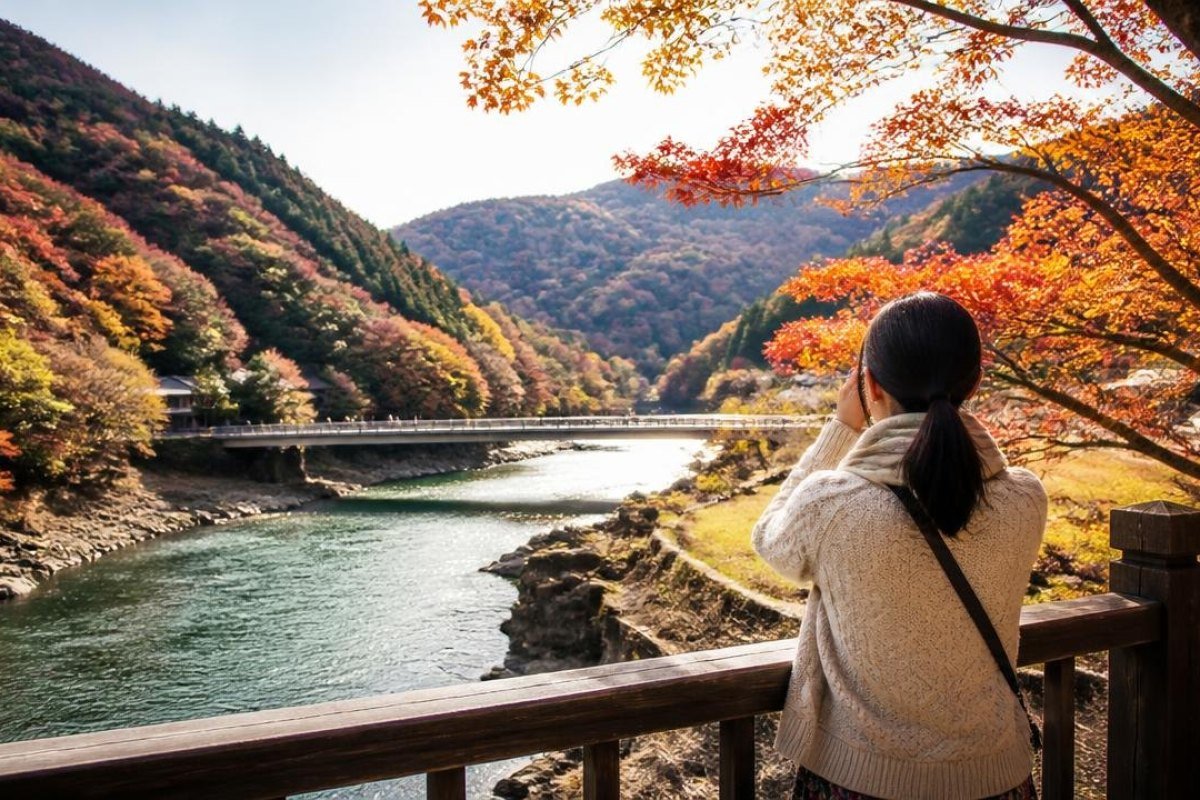
Autumn is one of the best all-round seasons for exploring Japan. As temperatures cool, forests, temple grounds, gardens, and mountain valleys develop rich shades of red, orange, and gold. The foliage season usually begins in northern and higher-altitude areas before moving southward.
In central Japan, peak colors often arrive later than many first-time visitors expect. Tokyo and Kyoto frequently see their strongest displays in November, while southern areas may remain colorful into early December. The timing varies each year, so consult updated regional foliage information before finalizing day trips.
Autumn is also an excellent time for walking tours, scenic rail journeys, and seasonal dining. Cooler weather makes it easier to explore historic districts, national parks, temple complexes, and countryside trails without the intense heat and humidity of summer.
Best Autumn Destinations
Kyoto is a classic choice for autumn, with colorful temple gardens and hillside viewpoints. Nikko, Kamakura, and Hakone offer attractive combinations of foliage, cultural sites, and access from Tokyo. In the Japan Alps, destinations around Nagano and Takayama provide mountain scenery and crisp seasonal air.
Hokkaido is usually among the first regions to show autumn colors, while Kyushu and parts of Shikoku can extend the season later into the year. For dramatic scenery, choose mountain regions and higher elevations; for easier city sightseeing, combine Tokyo, Kyoto, and Osaka with nearby gardens and temple areas.
Why Autumn Is a Great Choice
Autumn offers a strong balance between weather and sightseeing. Days are often comfortable for walking, humidity is lower than in summer, and seasonal produce appears in markets and restaurants. The main disadvantages are popularity and rapidly changing foliage conditions at individual locations.
Try visiting major attractions early in the morning, traveling on weekdays where possible, and including lesser-known gardens or smaller towns. A flexible itinerary can help you follow the best colors while avoiding the most congested viewpoints.
Japan in Winter: Snow, Onsen, and Clear Skies
Winter is highly diverse across Japan. Tokyo, Osaka, and many Pacific-side cities often have cold but relatively dry conditions, while Hokkaido, Tohoku, the Sea of Japan coast, and mountainous areas can receive substantial snowfall.
For winter sports, the main season generally runs from December to April, depending on the resort and local snow conditions. January and February are typically the most reliable months for powder snow, especially in Hokkaido and the higher mountains of central Japan.
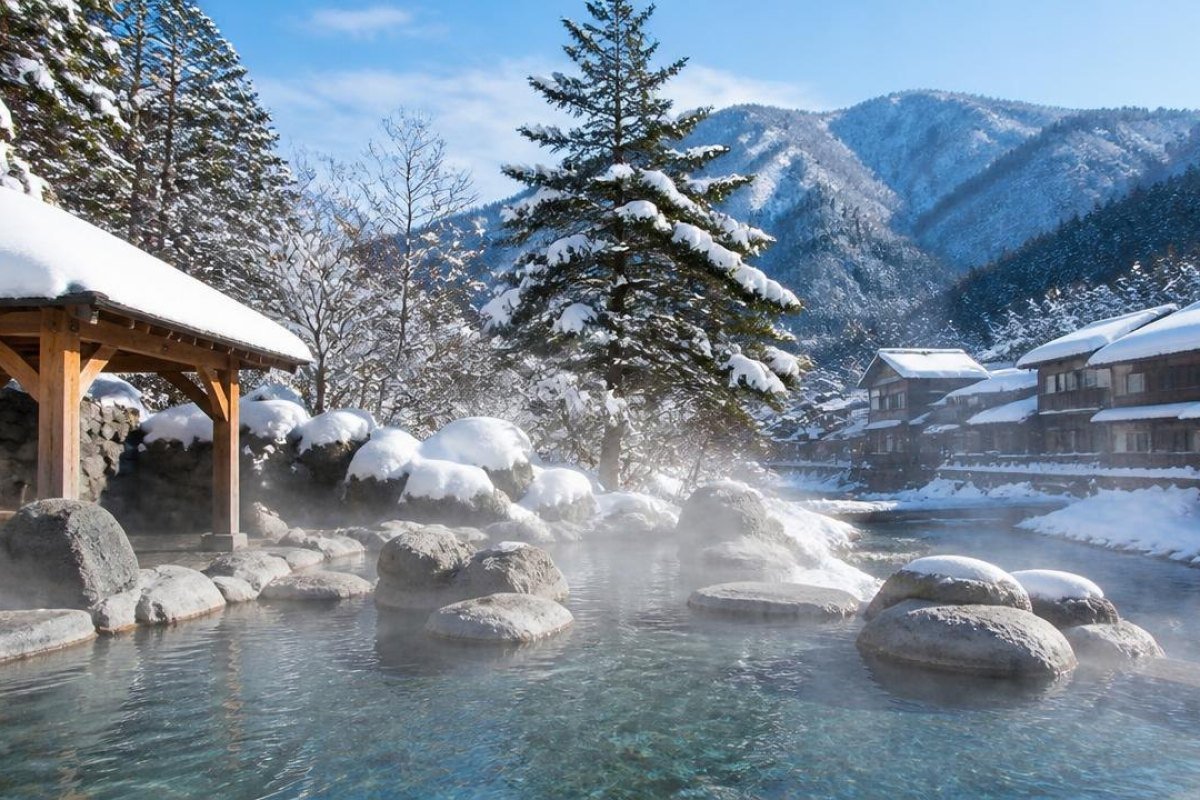
Winter travel is about more than skiing. Visitors can enjoy onsen towns, snow-covered villages, illuminated streets, seasonal seafood, hot-pot meals, and distinctive winter festivals. A warm coat is useful across the country, while snowy destinations also require waterproof footwear and clothing suitable for icy surfaces.
Best Winter Destinations
Hokkaido is a leading choice for deep snow, ski resorts, seafood, and winter scenery. Niseko and Rusutsu are popular for snow sports, while Sapporo combines urban comforts with winter events and easy access to snowy landscapes.
On Honshu, Hakuba and Shiga Kogen offer mountain activities within reach of Tokyo, while Zao Onsen is known for its hot-spring setting and unusual snow-covered trees. For a cultural winter trip, combine Kyoto temples, Japanese inns, and an onsen town rather than focusing only on ski resorts.
Important Winter Timing
The New Year period is one of Japan’s busiest holiday seasons. Many people travel domestically, and some restaurants, shops, and attractions may close or operate on reduced schedules around the end of December and beginning of January. Confirm opening arrangements before traveling during this period.
Snow festivals and seasonal events can also change dates, programs, and access arrangements. Check the official event or destination website close to your visit, especially if a particular festival is the main reason for your trip.
How the Seasons Differ by Region
Japan’s long north-south geography means that seasonal travel cannot be planned by month alone. Hokkaido is colder and snowier, central Honshu has four clearly defined seasons, and Okinawa remains much milder during winter than the main islands.
Cherry blossoms may appear as early as January in Okinawa and much later in Hokkaido. Autumn foliage follows a similar pattern in reverse: northern and mountainous areas change first, followed by central and southern regions. Always compare the conditions in your actual destinations rather than using a nationwide assumption.
For a multi-region itinerary, expect different clothing needs and travel conditions. A trip combining Tokyo, Kyoto, and Hokkaido may require both light layers and full winter gear, particularly if you are traveling during the transition between seasons.
Best Time to Visit Japan by Travel Style
For cherry blossoms: Choose spring, but select destinations according to the expected blossom progression and reserve accommodation early.
For autumn scenery: Travel from late October through November, prioritizing Hokkaido and mountain areas earlier, then central and southern Japan later.
For skiing and snow: Choose January or February for the strongest chance of consistent snowfall, while checking individual resort conditions before booking.
For city sightseeing: Spring and autumn usually provide the most comfortable walking conditions, while winter can offer clearer skies and fewer visitors outside holiday periods.
For lower-season value: Consider winter outside New Year, or rainy-season travel in June and early July if you are comfortable planning around showers. Conditions vary by region, and indoor cultural attractions can make wet-weather days worthwhile.
Practical Tips for Planning a Seasonal Japan Trip
Build your itinerary around the experience that matters most, then choose secondary activities that work in variable weather. For example, pair a blossom-focused trip with museums and food tours, or combine a ski holiday with an onsen stay and a city break.
Book popular accommodation, long-distance transport, and special dining experiences early during spring, autumn, Golden Week, summer holidays, and New Year. Keep some flexibility for weather-related changes, particularly when visiting mountains or traveling during heavy snow.
Pack for the region rather than the country as a whole. Comfortable shoes are essential in every season, while rain protection, warm layers, and packable luggage can make transfers much easier. Check current forecasts, transport updates, attraction hours, and local advisories shortly before each travel day.
Final Verdict: Which Season Should You Choose?
Choose spring if seeing cherry blossoms is your lifelong priority and you are prepared for crowds and flexible timing. Choose autumn for a balanced mix of comfortable weather, colorful landscapes, cultural sightseeing, and seasonal food.
Choose winter if you want snow, skiing, hot springs, illuminations, and a different side of Japan. Whichever season you select, the best trip usually comes from matching your route to regional conditions rather than treating Japan as if it has one uniform climate.