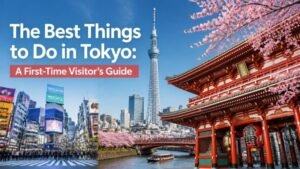
Tokyo is a city of dazzling contrasts: ancient temples stand beside glass towers, quiet garden paths lead to neon-filled streets, and tiny ramen counters sit near some of the world’s most ambitious restaurants. For a first visit, the biggest challenge is not finding things to do—it is deciding how to experience such a vast city without rushing through it.
This guide brings together the essentials for a memorable first trip to Tokyo, including must-see neighborhoods, local foods, transport advice, and practical customs that make exploring Japan’s capital easier and more enjoyable.
Why Tokyo Is Worth Visiting
Tokyo rewards curiosity. Its famous attractions are impressive, but the city’s character often appears in smaller moments: a perfectly arranged convenience-store meal, a peaceful shrine hidden between buildings, or the glow of lanterns beneath a railway line.
The city is especially appealing because it offers several experiences at once. You can explore historic Asakusa in the morning, shop in modern Shibuya during the afternoon, and finish the day in a traditional izakaya alley without traveling far.

Tokyo is also one of the world’s great food destinations, with options ranging from affordable noodle shops and department-store food halls to highly specialized restaurants that require advance planning.
The Best Tokyo Neighborhoods for First-Time Visitors
Tokyo is best understood as a collection of distinct districts rather than one single downtown. Choose a few neighborhoods each day and explore them on foot between major sights.
Asakusa and Ueno
Begin in Asakusa for a taste of old Tokyo. The Kaminarimon Gate leads toward Senso-ji, one of the city’s best-known Buddhist temples, while Nakamise-dori is lined with traditional snacks, souvenirs, and craft shops. The surrounding streets are ideal for a slow morning walk.
Nearby Ueno Park combines museums, gardens, cultural sites, and seasonal scenery. Ameyoko, close to Ueno Station, has a lively market atmosphere and is a good place to browse inexpensive food, clothing, and everyday goods.
Shibuya, Harajuku, and Omotesando
Shibuya Crossing is Tokyo’s most recognizable modern landmark, but the district is more than a photo stop. Explore department stores, independent boutiques, observation spaces, and the smaller streets branching away from the main intersection while discovering the best things to do in Tokyo.
Walk toward Harajuku for youth fashion, pop culture, and the energetic atmosphere of Takeshita Street. For a calmer contrast, visit Meiji Jingu and wander through its wooded grounds before continuing to the design-focused boulevards of Omotesando.
Shinjuku
Shinjuku combines enormous transport links with skyscrapers, shopping complexes, gardens, restaurants, and nightlife. The area around Shinjuku Station can feel confusing at first, so choose a specific exit and use a map before leaving the station.
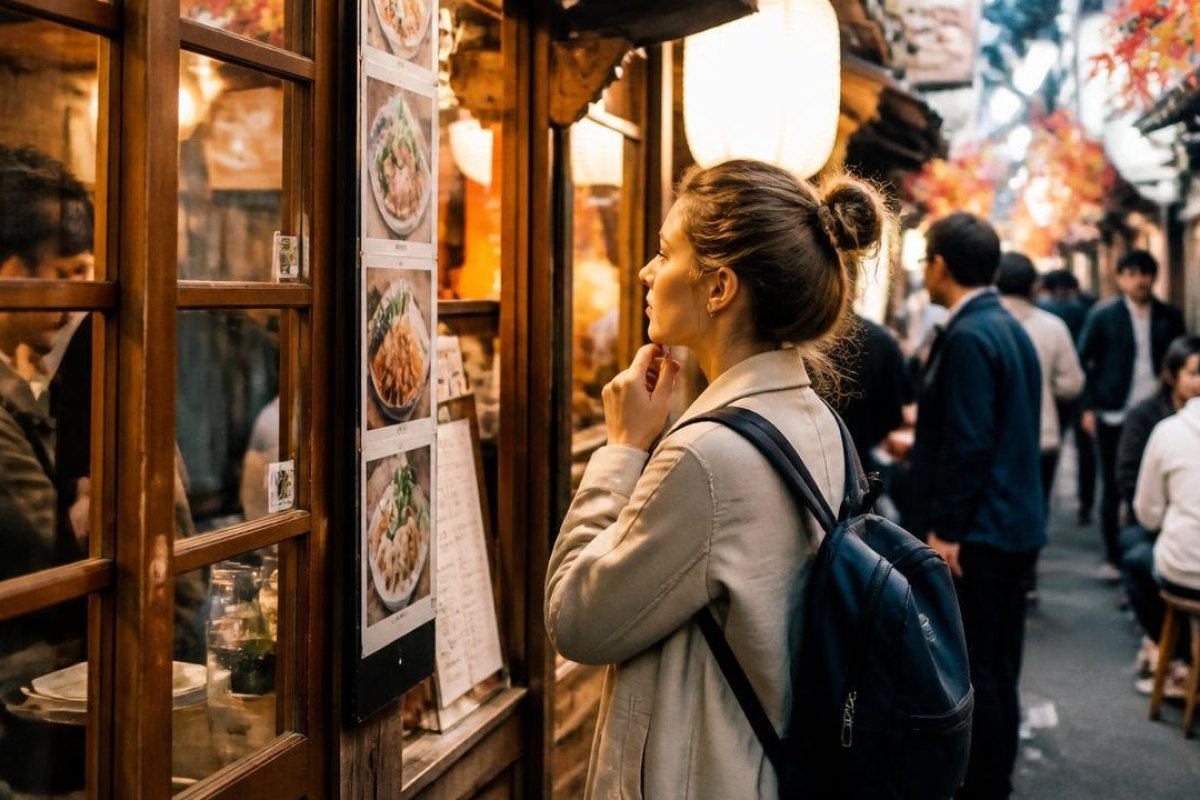
For a quieter experience, visit Shinjuku Gyoen during the daytime. After dark, explore the atmosphere around Omoide Yokocho or Golden Gai, remembering that many small venues have limited seating and may apply their own entry policies.
Tokyo Station, Marunouchi, and Ginza
The red-brick façade of Tokyo Station contrasts with the sleek towers of Marunouchi. This is a convenient area for combining architecture, shopping, dining, and a walk toward the Imperial Palace’s outer gardens.
Nearby Ginza is known for department stores, luxury boutiques, galleries, and polished restaurants. Its quieter side streets often reveal excellent cafés and small dining rooms away from the main avenues.
Akihabara and Ikebukuro
Akihabara is the classic destination for electronics, anime, manga, games, and themed shops. It is most rewarding when you explore beyond the largest stores and take time to browse specialist retailers.
Ikebukuro offers a broader mix of shopping, entertainment, aquariums, cafés, and anime-related attractions. It can be a useful alternative if you want pop culture experiences without spending your entire day in Akihabara.
What to Eat in Tokyo
Tokyo’s food scene is broad enough to fill several trips. Rather than trying to visit only famous restaurants, combine one or two planned meals with casual discoveries near train stations and shopping streets.
Start with fresh sushi, regional ramen styles, and tempura. For a more local Tokyo experience, seek out monjayaki in Tsukishima, a comforting hot-plate dish with a softer texture than okonomiyaki.
Other foods worth trying include soba, yakitori, tonkatsu, curry rice, wagashi sweets, and chanko-nabe in the sumo district of Ryogoku. Department-store basements, known as depachika, are excellent for beautifully presented takeaway food and gifts.
How to Choose Restaurants
Look for places with a focused menu rather than restaurants trying to serve every Japanese dish at once. Queues can be normal, especially at popular ramen shops, but a long line does not always mean the experience will suit you.
In tiny restaurants, seating may be limited and menus may be mainly in Japanese. Use visual menus, translation tools, or staff recommendations, and be prepared to order efficiently when the restaurant is busy.
For high-end sushi, kaiseki, or special-occasion dining, make reservations as early as possible. Always confirm current opening days, reservation rules, and cancellation policies directly with the restaurant.
How to Get Around Tokyo
Tokyo’s rail network is extensive and reliable, but stations can be large and transfers may involve considerable walking. Plan journeys by station exit as well as by train line.
A rechargeable Suica or PASMO IC card is convenient for many train, subway, and bus journeys, although availability and purchasing methods can change. Some services also support contactless bank-card payment. Check the current official transport guidance before departure.
Tokyo Metro and Toei Subway operate different networks, while JR lines cover important routes such as the Yamanote loop. A single journey may involve more than one operator, so compare the convenience of an IC card with any tourist pass before buying one.
Airport Arrival
Tokyo is served mainly by Haneda Airport and Narita International Airport. Haneda is generally closer to central Tokyo, while Narita is farther away but connected by several dedicated rail services.
Choose your airport transfer based on your hotel’s nearest station, luggage, arrival time, and number of changes. After a long flight, a slightly more direct route can be worth the extra cost.
Using Trains and Subways Smoothly
Stand on the appropriate side of escalators according to local station guidance, keep voices low on trains, and avoid blocking doors. During busy periods, rush-hour crowds can be intense, particularly around major business and transport hubs.
Tokyo is walkable within neighborhoods, but not always between them. Wear comfortable shoes, allow time for transfers, and avoid planning too many distant districts on the same day.
Where to Stay in Tokyo
The best area depends on your priorities. Shinjuku is convenient for nightlife and transport, Shibuya suits visitors who want shopping and contemporary city energy, and Asakusa offers a more traditional atmosphere.
Choose Ueno for museums and good rail connections, Tokyo Station for central access and onward journeys, or Ginza for polished shopping and dining. Families may prefer a quieter district with larger rooms and easier evening transport.
When comparing hotels, check the walking distance to the station, the size of the room, luggage storage, check-in times, and whether the nearest station has elevators. In Tokyo, a hotel that appears close on a map may still require a long walk through a large station complex.
Best Time to Visit Tokyo
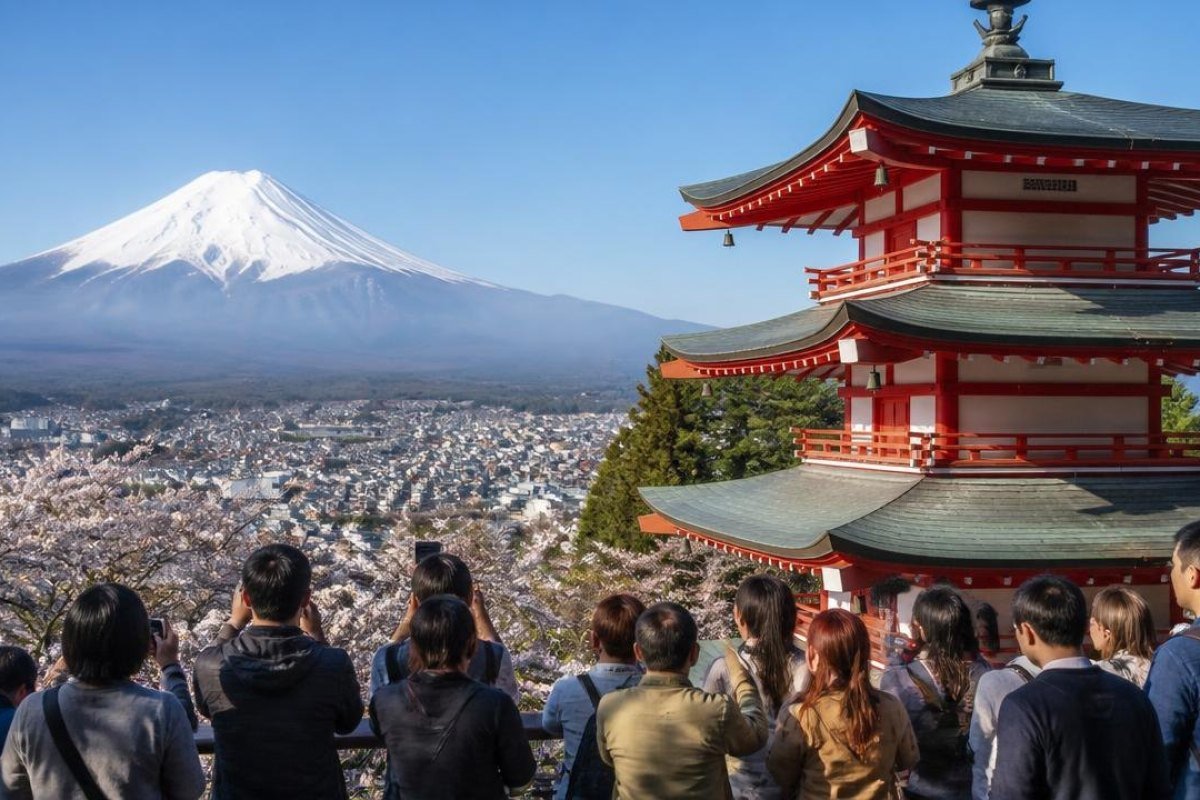
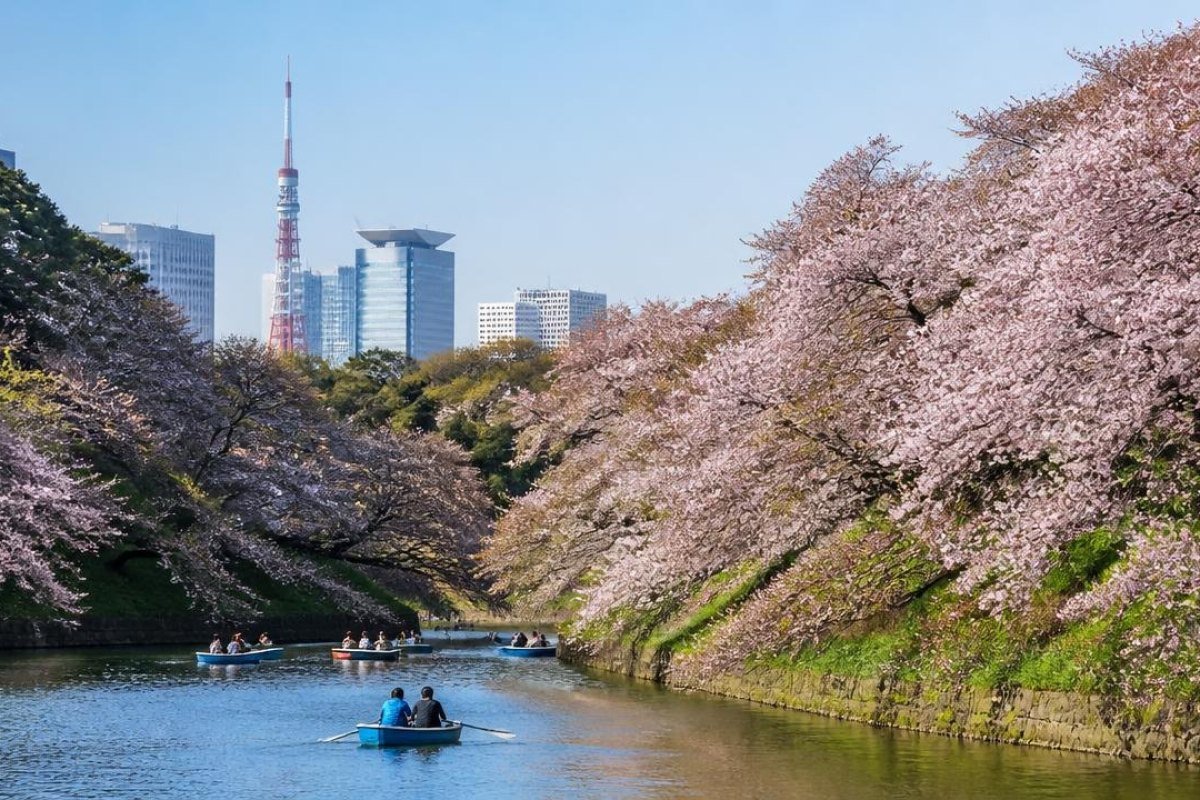
Tokyo is a year-round destination, but each season has a distinct personality. Japan’s cherry blossom season attracts large crowds and requires flexible planning around parks and popular viewing areas.
Summer festivals bring fireworks, traditional dances, and seasonal food, but the weather is often hot and humid. Autumn is comfortable for sightseeing and brings colorful foliage, while winter offers crisp days, illuminations, and generally fewer visitors at some outdoor attractions.
Before booking, check the seasonal weather forecast, public holiday calendar, and any event-specific reservation requirements. Popular attractions can become particularly busy during school holidays and major national holiday periods.
Tokyo Customs and Practical Etiquette
Small acts of consideration make travel easier. Keep your voice low on public transport, queue carefully, and avoid eating while walking in crowded areas unless local signage or the setting clearly allows it.
At temples and shrines, follow posted instructions, behave respectfully, and avoid touching religious objects. In restaurants, use the provided towels appropriately, do not leave chopsticks standing upright in rice, and ask before taking photographs of staff or other diners.
Carry a small amount of cash because some smaller restaurants and independent shops may not accept every payment method. Public bins can be limited, so keep a small bag for rubbish until you find a suitable disposal point.
A Practical First-Time Tokyo Itinerary
Three-Day Outline
Day one: Explore Asakusa and Ueno, combining Senso-ji, traditional shopping streets, a museum or park, and an informal dinner.
Day two: Visit Meiji Jingu, Harajuku, Omotesando, and Shibuya. End with a city view or dinner in one of the district’s side streets.
Day three: Discover Tokyo Station and Ginza, then choose between Akihabara, Odaiba, Tsukiji’s outer-market area, or a slower neighborhood such as Kichijoji. This fits naturally into an itinerary for three days in Tokyo.
Keep the schedule flexible. Tokyo’s most enjoyable experiences often come from leaving time for unexpected cafés, quiet side streets, and unplanned food stops.
Final Tips for a Better First Trip
Download offline maps, save your hotel address in Japanese, and carry a portable charger. Reserve only the experiences that truly require advance booking, leaving room for spontaneous exploration.
Do not measure Tokyo by how many attractions you check off. A successful first visit balances iconic landmarks, neighborhood wandering, and slow meals. Give yourself time to notice how quickly the city changes from one station to the next.
Most importantly, plan by area rather than trying to cross the entire metropolis every day. With comfortable shoes, a little patience, and a willingness to follow local rhythms, Tokyo becomes far less overwhelming—and much more rewarding.