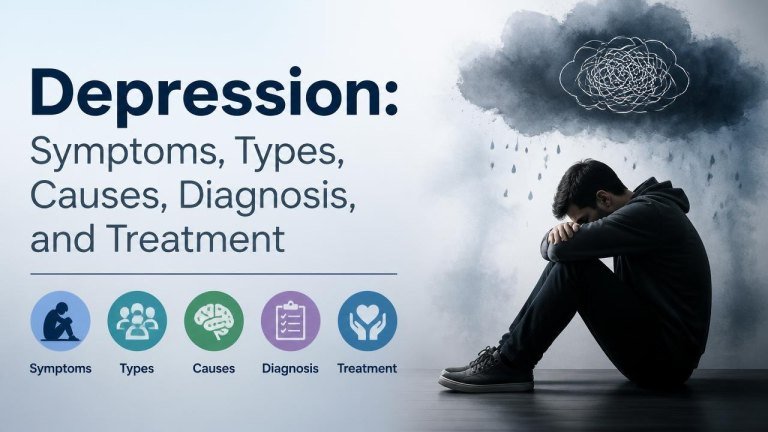
Depression is more than occasional sadness or a difficult day. It is a common mental health condition that can affect mood, thinking, physical health and everyday activities, relationships, and work. With the right support, many people improve and regain a meaningful quality of life.
What Is Depression?
Depression involves persistent changes in mood, motivation, and daily functioning. It may develop gradually or appear after a stressful event, illness, loss, or major life change. Sometimes, it occurs without an obvious trigger.
Everyone experiences low moods, but depression tends to last longer and interfere more significantly with daily life. It is not a personal weakness, a lack of willpower, or something a person can simply overcome by trying harder.
Common Symptoms of Depression
Depression can affect emotional, cognitive, physical, and behavioral health. Symptoms vary from person to person, but common signs include:

- Persistent sadness, emptiness, irritability, or hopelessness
- Loss of interest or pleasure in activities once enjoyed
- Low energy, fatigue, or feeling slowed down
- Changes in appetite, weight, or eating patterns
- Sleeping too much or having difficulty sleeping
- Problems with concentration, memory, or decision-making
- Feelings of guilt, worthlessness, or helplessness
- Withdrawing from friends, family, work, or other responsibilities
- Unexplained aches, digestive problems, or other physical complaints
- Thoughts about death, self-harm, or suicide
Children and teenagers may show depression through irritability, school difficulties, behavioral changes, or social withdrawal rather than openly describing sadness. Older adults may experience memory concerns, reduced activity, or physical symptoms alongside low mood.
Types of Depression
Depression is not one single experience. Mental health professionals may identify different depressive disorders based on symptom patterns, duration, severity, and life circumstances.
Major Depressive Disorder
Major depressive disorder involves a combination of symptoms that persist and significantly affect work, relationships, or self-care. Episodes may be mild, moderate, or severe, and some people experience one episode while others have recurring episodes.
Persistent Depressive Disorder
Persistent depressive disorder, sometimes called dysthymia, involves a long-lasting depressed mood with symptoms that may be less intense than those of major depression but continue over an extended period. Ongoing low mood, fatigue, and reduced confidence can gradually become part of everyday life.
Seasonal Depression
Seasonal depression follows a recurring pattern connected with particular times of year. It may involve changes in sleep, energy, appetite, and social activity. A clinician can help determine whether symptoms reflect a seasonal pattern and recommend appropriate treatment.
Perinatal and Postpartum Depression
Depression can occur during pregnancy or after childbirth. Perinatal and postpartum depression may include severe sadness, anxiety, emotional numbness, guilt, or difficulty bonding with a baby. Prompt professional support, practical help, and treatment can protect the health of both parent and child.
Bipolar Depression
Depressive episodes may occur as part of bipolar disorder. Because treatment differs, it is important to tell a healthcare professional about any history of elevated mood, unusually high energy, reduced need for sleep, impulsive behavior, or racing thoughts.
Causes and Risk Factors
Depression usually results from a combination of biological, psychological, and social factors. Possible influences include:
- Family history and genetic vulnerability
- Changes in brain chemistry or hormone levels
- Chronic pain, long-term illness, or neurological conditions
- Trauma, grief, abuse, or prolonged stress
- Isolation, relationship difficulties, or financial pressure
- Alcohol or drug use
- Some medications or medical conditions
- Major transitions, discrimination, or unsafe living circumstances
Having a risk factor does not mean someone will develop depression. Likewise, depression can affect people who appear to have stable lives. The condition reflects multiple influences, not a single personal failure or cause.
How Depression Is Diagnosed
There is no single laboratory test that confirms depression. A qualified professional usually makes a diagnosis through a conversation about symptoms, duration, and how symptoms affect daily life.

An assessment may include questions about mood, sleep, appetite, concentration, medical history, medications, substance use, family history, and thoughts of self-harm. The clinician may also screen for anxiety, bipolar disorder, trauma-related conditions, or physical problems that can produce similar symptoms.
Be as open and specific as possible. Keeping notes about mood changes, sleep, energy, and functioning can make the evaluation more useful.
Treatment for Depression
Depression is treatable, and the most suitable approach depends on symptom severity, personal preferences, medical history, and available support. Treatment may involve one method or a combination of approaches.
Psychotherapy
Psychotherapy, or talk therapy, helps people understand symptoms and develop practical coping skills. Approaches such as cognitive behavioral therapy, interpersonal therapy, and behavioral activation can address negative thought patterns, withdrawal, and relationship challenges.
Medication
Antidepressant medication may reduce symptoms for some people. A healthcare professional can explain potential benefits, side effects, interactions, and the time it may take to notice improvement. Do not stop medication suddenly without medical guidance.
Lifestyle and Social Support
Healthy routines can support recovery, although they are not a substitute for professional treatment when depression is significant. Helpful steps may include regular sleep, gentle physical activity, nourishing meals, time with supportive people, and reducing alcohol or drug use.
Specialist and Urgent Care
Severe, persistent, or treatment-resistant depression may require a referral to a psychiatrist or another specialist. If symptoms include psychosis, inability to care for basic needs, or immediate safety concerns, urgent professional help is essential.
When to Seek Help
Consider speaking with a healthcare or mental health professional when low mood, loss of interest, fatigue, or worry lasts for more than a short time or begins interfering with sleep, work, relationships, or self-care. You do not need to wait until symptoms become severe.
If you are thinking about suicide or may act on thoughts of harming yourself, contact local emergency services or a crisis service immediately. If possible, stay with someone you trust, move away from potential means of harm, and tell a healthcare professional exactly what you are experiencing.
Supporting Someone With Depression
Offer patient, nonjudgmental support. You can listen, acknowledge the person’s experience, encourage professional care, and help with practical tasks. Avoid telling them to simply cheer up or comparing their situation with someone else’s.
Ask directly about safety if you are concerned about self-harm. A calm, caring question does not create suicidal thoughts; it can help someone feel seen and make it easier to seek immediate support, professional care, and connection.
Living With Depression
Recovery may be gradual, and setbacks do not mean treatment has failed. Tracking symptoms, attending appointments, taking medication as prescribed, practicing therapy skills, and staying connected with trusted people can make recovery more manageable.
The most important step is to seek help rather than face depression alone. A healthcare professional can help clarify what is happening and create a treatment plan suited to your needs.