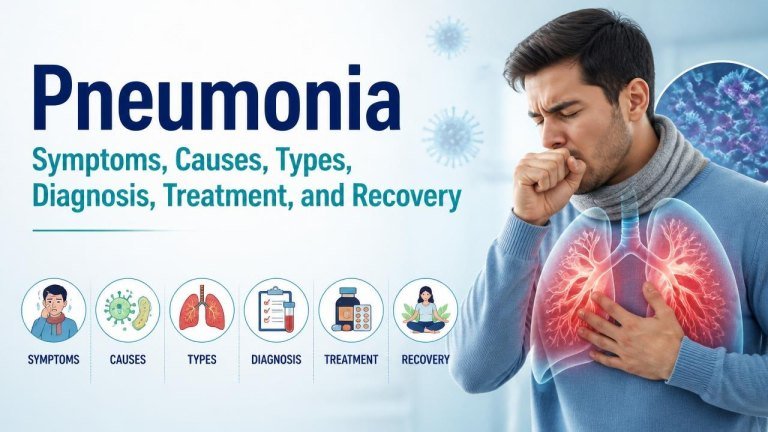
Pneumonia is an infection or inflammation of the lungs that can range from mild to life-threatening. It may affect one or both lungs and can make the air sacs fill with fluid or pus, reducing the body’s ability to absorb oxygen.
Understanding the warning signs, possible causes, and treatment options can help you seek appropriate medical care promptly. Anyone with severe breathing problems, chest pain, confusion, or blue or gray lips or fingertips should receive emergency medical attention.
What Is Pneumonia?
Pneumonia develops when germs or other irritants inflame the lung’s air sacs. The infection may be caused by bacteria, viruses, fungi, or, less commonly, noninfectious conditions. The affected air sacs can fill with fluid, making breathing more difficult.
Symptoms and severity vary depending on the person’s age, overall health, cause of illness, and whether one or both lungs are affected. Older adults, infants, and people with chronic medical conditions may have less typical symptoms but can become seriously ill.
Common Pneumonia Symptoms
Pneumonia symptoms may begin suddenly or develop gradually over several days. Common signs include a cough, fever or chills, and shortness of breath.
- Chest pain that worsens with deep breathing or coughing
- Fatigue, weakness, or reduced energy
- Phlegm that may be yellow, green, or blood-streaked
- Sweating, headache, muscle aches, or loss of appetite
- Nausea, vomiting, or diarrhea in some people
Older adults may develop confusion, dizziness, unusual sleepiness, or a sudden decline in function instead of a high fever. Infants may have poor feeding, irritability, rapid breathing, or pauses in breathing.
When to Seek Urgent Medical Care
Seek urgent help for severe breathlessness, blue or gray skin, or new confusion. Emergency assessment is also important for severe chest pain, coughing blood, fainting, or symptoms that rapidly worsen.
People at higher risk—including young children, older adults, pregnant people, and those with heart, lung, immune, or other serious conditions—should contact a healthcare professional early when pneumonia is suspected.
What Causes Pneumonia?
Pneumonia can result from an infection that reaches the lungs or from inhaling substances that irritate lung tissue. The most common infectious causes are viruses and bacteria, although fungi and other organisms can also be responsible.
Sometimes pneumonia occurs after a cold or flu-like illness. In other cases, germs enter the lungs through inhaled droplets, close contact, or aspiration of food, liquid, saliva, or stomach contents.
Risk Factors
The risk of pneumonia increases with older age, smoking, and conditions that weaken the immune system. Other risk factors include asthma or chronic obstructive pulmonary disease, heart disease, diabetes, difficulty swallowing, recent hospitalization, and prolonged immobility.
Exposure to certain healthcare settings, contaminated materials, or environmental fungi may also increase risk. A healthcare professional can help determine which causes and risk factors are most relevant in an individual case.
Types of Pneumonia
Pneumonia is classified in several ways, including by its cause and where it was acquired. Identifying the type helps guide testing, infection control, and treatment.
Community-Acquired Pneumonia
Community-acquired pneumonia develops outside a hospital or healthcare facility. It may be caused by bacteria, viruses, or other organisms and is often treated in the community when symptoms are mild and oxygen levels are stable.
Hospital-Acquired and Healthcare-Associated Pneumonia
Hospital-acquired pneumonia occurs during a hospital stay, while ventilator-associated pneumonia develops in someone using a breathing machine. These infections may involve resistant bacteria and often require careful testing and monitored treatment.
Aspiration Pneumonia
Aspiration pneumonia can occur when food, liquid, saliva, or stomach contents enter the lungs instead of the esophagus. Swallowing problems, reduced alertness, reflux, and certain neurological conditions can increase the risk.
Viral and Fungal Pneumonia
Viral pneumonia may follow infections such as influenza or other respiratory viruses. Fungal pneumonia is less common and is more likely in people with a weakened immune system or particular environmental exposures.
How Pneumonia Is Diagnosed
Diagnosis begins with a medical history and physical examination. A clinician may listen for abnormal lung sounds and assess breathing rate, oxygen level, and overall appearance.
Tests may include a chest X-ray, blood tests, sputum testing, or molecular tests for respiratory viruses. In more complicated cases, clinicians may use a chest CT scan, blood cultures, bronchoscopy, or other investigations to identify the cause or evaluate complications.
Because pneumonia can resemble bronchitis, asthma, heart failure, or other illnesses, a professional assessment is important when symptoms are significant or persistent.
Pneumonia Treatment
Treatment depends on the suspected cause and the person’s condition. Bacterial pneumonia may require antibiotics, while viral infections may be managed with supportive care or, in selected cases, antiviral medicine. Antibiotics do not treat viral infections unless a bacterial infection is also present.
Supportive treatment can include rest, fluids when appropriate, fever or pain relief, and oxygen therapy for people whose oxygen levels are low. Severe illness may require hospital care, intravenous medicines, breathing support, or treatment for complications.
Using Medicines Safely
Take prescribed medicines exactly as directed and do not share leftover antibiotics. Contact a healthcare professional if symptoms worsen, side effects develop, or there is no expected improvement. Avoid cough or cold medicines for children unless a clinician recommends them.
People with chronic conditions should continue their regular treatment unless advised otherwise. A clinician can provide individualized guidance about fluids, fever medicine, activity, and follow-up testing.
Recovery From Pneumonia
Recovery time varies. Some people begin to feel better within days, while cough, fatigue, and reduced exercise tolerance may continue for weeks. More severe pneumonia or illness in a person with other health problems can require a longer recovery.
Rest, adequate nutrition, prescribed treatment, and gradual return to activity can support recovery. Avoid smoking and secondhand smoke, and follow-up with a healthcare professional if symptoms persist or return.
Signs of Delayed Recovery
Contact a clinician for persistent fever, increasing breathlessness, worsening chest pain, confusion, dehydration, or a cough that is not improving. Follow-up imaging or additional tests may be recommended based on age, symptoms, risk factors, and the initial findings.
Preventing Pneumonia
Prevention focuses on reducing respiratory infections and protecting lung health. Recommended measures may include vaccination, regular handwashing, avoiding tobacco smoke, and managing chronic diseases.
- Stay current with vaccines recommended by a healthcare professional.
- Cover coughs and sneezes and improve ventilation in crowded indoor spaces.
- Clean frequently touched surfaces when respiratory infections are circulating.
- Address swallowing problems and follow guidance to reduce aspiration risk.
- Seek early medical advice when symptoms are severe or risk factors are present.
No single prevention strategy eliminates every risk, but these steps can reduce the chance of serious respiratory illness.
When to Contact a Healthcare Professional
Arrange medical advice for a new cough with fever, shortness of breath, chest discomfort, or symptoms that worsen after an apparent cold or flu. Prompt assessment is especially important for infants, older adults, and people with weakened immunity or chronic disease.
This information is for general education and does not replace a diagnosis or treatment plan from a qualified healthcare professional.