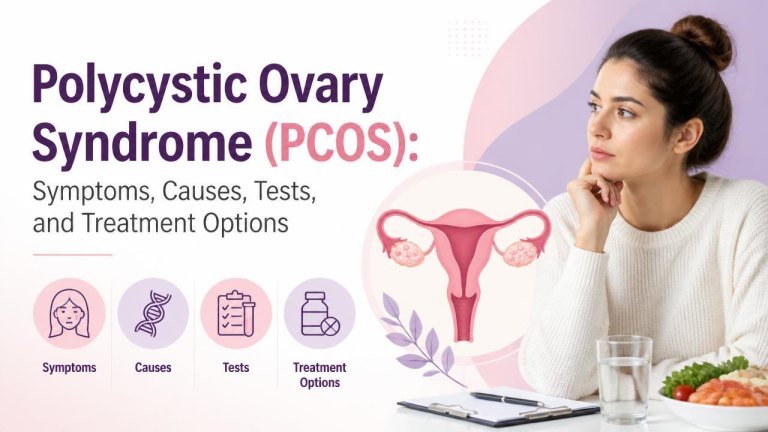
Polycystic ovary syndrome (PCOS) is a common hormonal condition that can affect menstrual cycles, ovulation, skin, hair, fertility, and metabolic health. Symptoms vary widely, and having PCOS does not mean you have ovarian cysts or that pregnancy is impossible.
Because PCOS can look different from one person to another, getting an accurate evaluation is important. A healthcare professional can help identify the underlying pattern, rule out other conditions, and create a treatment plan based on your goals.
What Is Polycystic Ovary Syndrome?
PCOS is associated with hormonal imbalance, irregular ovulation, and increased levels or effects of androgens, sometimes called male hormones. The name can be misleading: some people with PCOS have ovaries with many small follicles, while others do not.
PCOS may affect people during the reproductive years and can change over time. Symptoms may become noticeable during adolescence, after stopping hormonal contraception, or when trying to become pregnant.
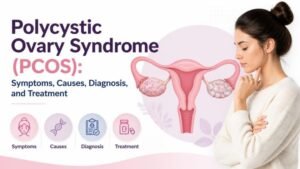
Common Symptoms of PCOS
PCOS symptoms differ in type and severity. Some people have only one or two noticeable signs, while others experience several at once. Common symptoms include irregular periods, excess facial or body hair, and acne.
- Infrequent, unpredictable, or absent menstrual periods
- Heavy bleeding after a long gap between periods
- Difficulty predicting ovulation or becoming pregnant
- Unwanted hair growth on the face, chest, abdomen, or other areas
- Thinning hair on the scalp or a widening part
- Persistent acne or oily skin
- Weight changes or difficulty losing weight
- Darkened, thickened skin folds, especially around the neck, groin, or underarms
- Low mood, anxiety, sleep problems, or concerns about body image
These symptoms are not unique to PCOS. Irregular periods, acne, or hair changes can have other causes of symptoms, so self-diagnosis is unreliable.
What Causes PCOS?
The exact cause of PCOS is not fully understood. Research suggests that a combination of genetic factors, insulin resistance, and altered hormone signaling may contribute to the condition.
Hormones and Ovulation
Many people with PCOS have higher-than-usual androgen activity. This can interfere with regular ovulation and contribute to acne, unwanted hair growth, or scalp hair thinning.
Insulin Resistance
Insulin helps move glucose from the blood into cells for energy. When the body responds less effectively to insulin, the pancreas may produce more of it. Higher insulin levels can encourage the ovaries to produce more androgens and may make ovulation less predictable.
Insulin resistance can occur at any body size and may increase type 2 diabetes risk. Weight is not a diagnostic test for PCOS, and people of all body types can have the condition.
How Is PCOS Diagnosed?
There is no single test that confirms PCOS. Diagnosis usually involves a review of symptoms, menstrual history, and physical findings, along with tests to exclude other explanations.
Healthcare professionals commonly consider whether a person has at least two of the following features, after other causes have been ruled out:
- Irregular or absent ovulation, often reflected by irregular periods
- Clinical or laboratory signs of increased androgen activity
- Polycystic-appearing ovaries on an ultrasound examination
Not everyone with PCOS has cyst-like follicles on an ultrasound, and an ultrasound alone cannot establish the diagnosis.
Tests Your Clinician May Consider
Depending on your symptoms and medical history, testing may include pregnancy testing, hormone blood tests, and assessments of blood glucose or cholesterol. A clinician may also check thyroid function and prolactin levels or investigate other causes of irregular periods and androgen-related symptoms.
An ultrasound may be used to examine the ovaries and uterine lining. Your clinician will decide which tests are appropriate; not every person needs every test.
PCOS Treatment Options
PCOS treatment is individualized. Your plan may focus on cycle regulation, fertility, skin and hair symptoms, or reducing long-term metabolic risks. Treatment can change as your needs and goals change.
Lifestyle and Metabolic Health
Regular physical activity, nourishing meals, adequate sleep, and stress-management strategies can support insulin sensitivity, cardiovascular health, and overall well-being. There is no single PCOS diet that works for everyone. Sustainable habits are generally more helpful than restrictive plans.
If weight loss is appropriate for you, even modest changes may improve some symptoms, but health improvements are possible without focusing only on weight. A registered dietitian or qualified healthcare professional can help create a realistic plan.
Medicines for Periods and Hormone Symptoms
Hormonal birth control, including certain pills, patches, rings, or other options, may help regulate bleeding and reduce androgen-related symptoms. It may also protect the uterine lining when periods are very infrequent.
Other medicines may be considered for unwanted hair growth, acne, or insulin-related concerns. Some treatments require contraception because they may not be suitable during pregnancy. Discuss benefits, side effects, and safety with your clinician.
Fertility Treatment
For people who want to become pregnant, treatment may begin with approaches that encourage ovulation. A fertility specialist may recommend medicines, monitoring, or additional options if needed.
PCOS can make ovulation irregular, but many people with PCOS can conceive with appropriate support. A clinician can also discuss preconception care, including management of blood pressure, glucose, medications, and prenatal vitamins.
Living Well With PCOS
Managing PCOS is usually a long-term process rather than a one-time treatment. Track your periods, symptoms, and medication effects, and attend recommended checks for metabolic health.
Emotional health matters too. Anxiety, depression, disordered eating, and body-image distress can occur alongside PCOS. If these concerns affect daily life, seek support from a healthcare professional or mental health specialist.
When to Seek Medical Advice
Make an appointment if your periods are consistently irregular, you have new or worsening excess hair growth or acne, or you have been trying to conceive without success. Seek prompt care for very heavy bleeding, severe pelvic pain, fainting, or possible pregnancy complications.
Early evaluation can help identify treatable causes, protect reproductive and metabolic health, and give you a clearer plan for managing PCOS.
This article is for general education and does not replace personalized medical advice. Speak with a qualified healthcare professional for diagnosis and treatment.