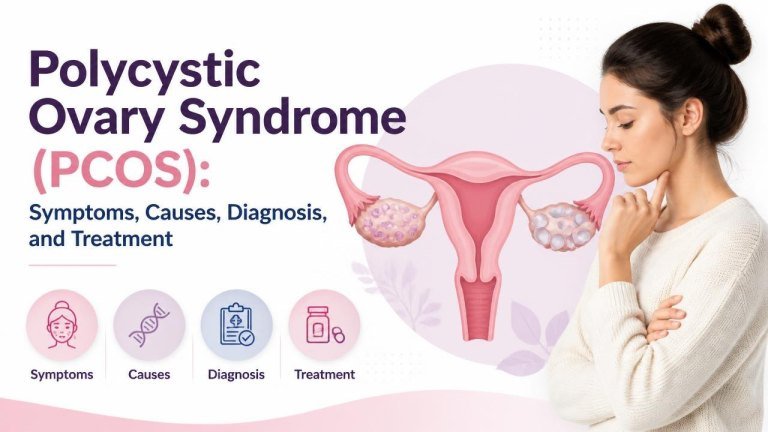
Polycystic ovary syndrome (PCOS) is a common hormonal and metabolic condition that can affect the menstrual cycle, ovulation, skin, hair, fertility, and overall health. Symptoms vary widely, and a person may have PCOS even without visible ovarian cysts.
Because PCOS can look different from one person to another, understanding the possible signs and seeking individualized medical advice are important steps toward effective management.
What Is Polycystic Ovary Syndrome?
PCOS is associated with hormonal changes, irregular ovulation, and differences in how the body processes insulin. The name can be confusing: some people with PCOS have multiple small follicles visible on an ultrasound, while others do not. Ovarian cysts are not required for diagnosis.
PCOS may begin during adolescence or become more noticeable later. Its symptoms can change over time, and they may be influenced by genetics, weight, stress, sleep, and other health factors.
Common Symptoms of PCOS
Symptoms may range from mild to significant. Common signs include irregular periods, excess facial or body hair, and acne. Some people have only one or two symptoms, while others experience several.
Menstrual and Ovulation Changes
PCOS may cause infrequent periods, unpredictable bleeding, or periods that are unusually heavy or prolonged. Ovulation may happen irregularly or not at all, which can make it harder to become pregnant.
Skin and Hair Symptoms
Higher levels or effects of androgens may contribute to unwanted hair growth on the face, chest, or abdomen, as well as persistent acne and oily skin. Some people also notice thinning hair at the scalp or a widening part.
Metabolic and Emotional Effects
Some people with PCOS experience weight changes, insulin resistance, or darkened, thickened skin in body folds. Mood changes, anxiety, and depression can also occur. These concerns deserve attention and should not be dismissed as simply part of the condition.
What Causes PCOS?
The exact cause of PCOS is not fully understood. It likely involves a combination of genetic factors, androgen activity, and insulin resistance. If close relatives have PCOS or type 2 diabetes, the likelihood may be higher, although family history does not determine whether someone will develop it.
Insulin resistance can lead the body to produce more insulin than usual. In some people, higher insulin levels may encourage the ovaries to produce more androgens, affecting ovulation and contributing to other symptoms. PCOS can occur at any body size, and weight is not a requirement for diagnosis.
How PCOS Is Diagnosed
There is no single test that confirms PCOS. A healthcare professional usually considers the medical history, physical examination, and laboratory results together. Other conditions that can cause similar symptoms may need to be ruled out.
Evaluation may include questions about menstrual patterns, changes in hair or skin, fertility, medications, and family history. Blood tests may assess hormone levels, thyroid function, glucose regulation, or other relevant markers. An ultrasound may be recommended in some cases, but it is not always necessary and cannot diagnose PCOS on its own.
Diagnosis should be made by a qualified healthcare professional, particularly because irregular periods and androgen-related symptoms can have several possible causes.

PCOS Treatment and Management
There is no single treatment that works for everyone. Care is tailored to a person’s main concerns, reproductive goals, symptoms, and overall health. Effective management may focus on cycle regulation, symptom relief, and future health risks.
Lifestyle and Daily Health Habits
Regular physical activity, balanced nutrition, adequate sleep, and stress management can support metabolic health and overall well-being. Even modest, sustainable changes may help some people improve ovulation, insulin sensitivity, and menstrual regularity. Advice should be personalized rather than based on restrictive diets or unrealistic weight goals.
Medicines for Periods and Hormonal Symptoms
Hormonal birth control may help provide more predictable bleeding, reduce androgen-related symptoms, and protect the uterine lining when periods are very infrequent. Other medicines may be considered for acne, unwanted hair growth, or insulin resistance. A clinician can explain potential benefits, side effects, and safety considerations.
Fertility Treatment
For people trying to conceive, treatment may focus on restoring ovulation. A healthcare professional may discuss ovulation-inducing medicines, monitoring, or referral to a fertility specialist. The best approach depends on age, reproductive history, other health conditions, and the results of evaluation.
Long-Term Health Considerations
PCOS may be associated with a higher likelihood of type 2 diabetes, high blood pressure, and abnormal cholesterol levels. Irregular or absent periods can also allow the uterine lining to become too thick over time. Regular medical follow-up can help identify concerns early.
Mental health is also an important part of PCOS care. Support for depression, anxiety, body-image concerns, or disordered eating should be included when needed. A healthcare professional can help create a monitoring plan based on individual risk factors.
When to Seek Medical Advice
Consider speaking with a healthcare professional about persistently irregular periods, new excess hair growth, trouble becoming pregnant, or sudden changes in weight, skin, or hair. Seek prompt medical care for very heavy bleeding, severe pelvic pain, fainting, or symptoms that feel urgent.
Keeping a record of periods, symptoms, medications, and questions can make appointments more productive. PCOS is manageable, and treatment can be adjusted as symptoms and health goals change.
Frequently Asked Questions
Can you have PCOS without ovarian cysts?
Yes. Ovarian cysts are not required for a PCOS diagnosis. The condition may be identified through a combination of irregular ovulation, androgen-related symptoms or test results, and the exclusion of other causes.
Does PCOS prevent pregnancy?
No. PCOS can make ovulation less predictable, but many people with PCOS conceive with or without medical support. Fertility options depend on individual circumstances and should be discussed with a healthcare professional.
Can PCOS go away?
PCOS is generally considered a long-term condition, but symptoms can change. Personalized treatment, regular monitoring, and sustainable health habits can help manage symptoms and reduce associated risks over time.
Key Takeaway
PCOS can affect periods, hormones, fertility, skin, hair, metabolism, and emotional well-being. Recognizing early symptoms, obtaining an accurate medical evaluation, and following a personalized care plan can make the condition easier to manage. If you suspect PCOS, consult a qualified healthcare professional rather than relying on self-diagnosis.