
Best Things to Do in Paris Beyond the Eiffel Tower
Paris rewards travelers who look beyond its most famous landmark. The city is a collection of distinct neighborhoods, grand museums, intimate gardens, historic churches, food markets, and riverside promenades. Whether you are visiting for the first time or returning for a deeper experience, this three-day Paris itinerary will help you see a more varied and memorable side of the French capital.
Explore Paris Through Its Great Museums
Paris is one of the world’s richest museum cities, but you do not need to spend every day at the Louvre. Choose a museum based on your interests, then leave time to enjoy the neighborhood around it. A well-planned visit often feels more rewarding than trying to see everything in one afternoon.
Admire Impressionism at the Musée d’Orsay
The Musée d’Orsay is an excellent choice for lovers of Impressionist painting, sculpture, photography, and historic architecture. Housed in a former railway station beside the Seine, it brings together major works by artists such as Monet, Renoir, Degas, Cézanne, and Van Gogh.
Allow several hours if you want to explore beyond the best-known galleries. Afterward, walk through the nearby Saint-Germain-des-Prés area or continue along the Left Bank toward the river. Check the museum’s official website before visiting, as exhibitions, access arrangements, and opening details can change.

Discover modern art at the Centre Pompidou area
The Centre Pompidou is known for its modern art collection, bold architecture, and central location near the Marais. Its surrounding streets are filled with cafés, independent shops, galleries, and lively public spaces.
Because cultural venues can undergo renovation or temporary changes, confirm the current visitor arrangements before making it the main focus of your day. The wider Beaubourg and Marais area remains worthwhile even when a particular gallery or exhibition is unavailable.
Learn the story of the city at Musée Carnavalet
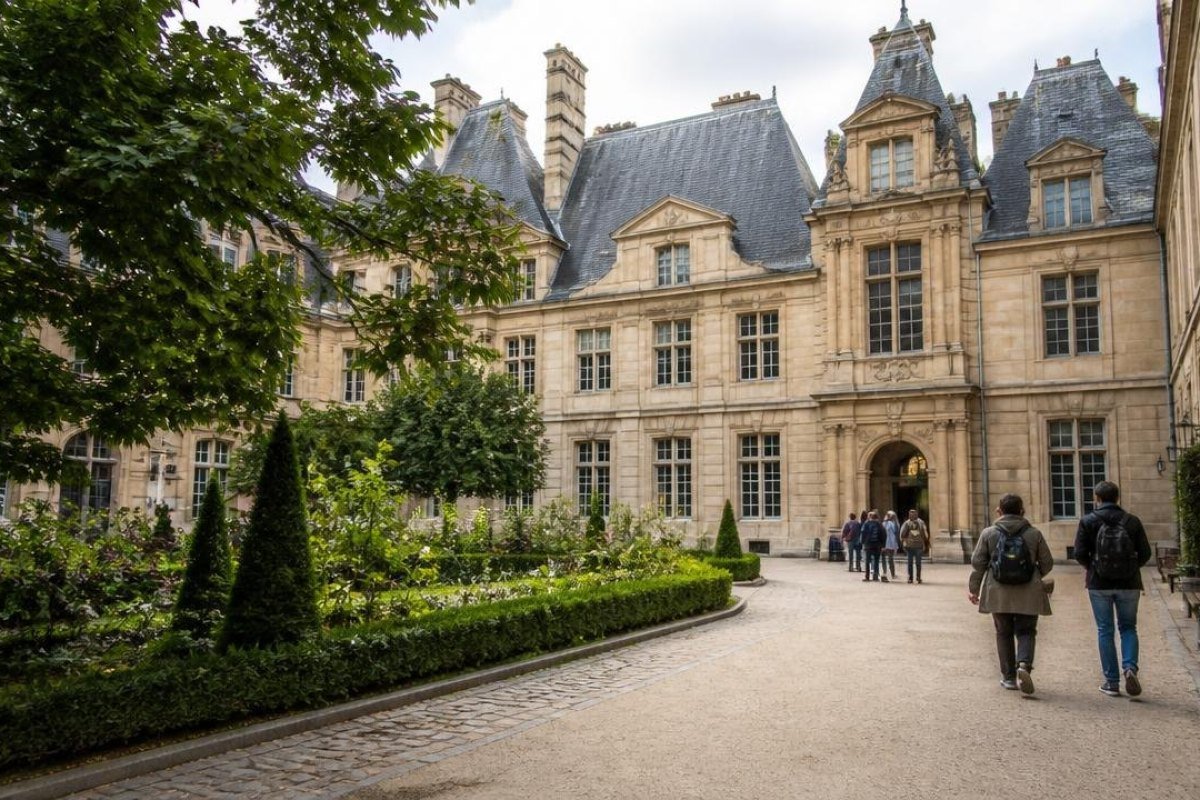
For a more specifically Parisian experience, visit Musée Carnavalet, dedicated to the history of Paris. Its collections cover the city’s development, daily life, revolutions, architecture, and changing social identity.
The museum sits in the Marais, making it easy to combine with a walk through historic courtyards, elegant squares, food shops, and small boutiques. Permanent collections at many city museums may be free, while temporary exhibitions can have separate arrangements, so check before you go.
Wander Through Paris’s Most Characterful Neighborhoods
One of the best things to do in Paris is simply to walk without rushing. The city’s neighborhoods change noticeably from one street to the next, offering different architecture, food traditions, shopping scenes, and rhythms of daily life.
Spend an afternoon in Le Marais
Le Marais combines medieval streets, historic mansions, and a lively contemporary atmosphere. Begin around Place des Vosges, then explore narrow lanes lined with galleries, cafés, independent designers, bakeries, and specialty food stores.
The district is popular throughout the day, so visit earlier if you prefer quieter streets. It is also a good area for combining culture and food: choose one museum, browse local shops, and leave time for a relaxed meal rather than following a rigid sightseeing schedule.
See Montmartre beyond Sacré-Cœur
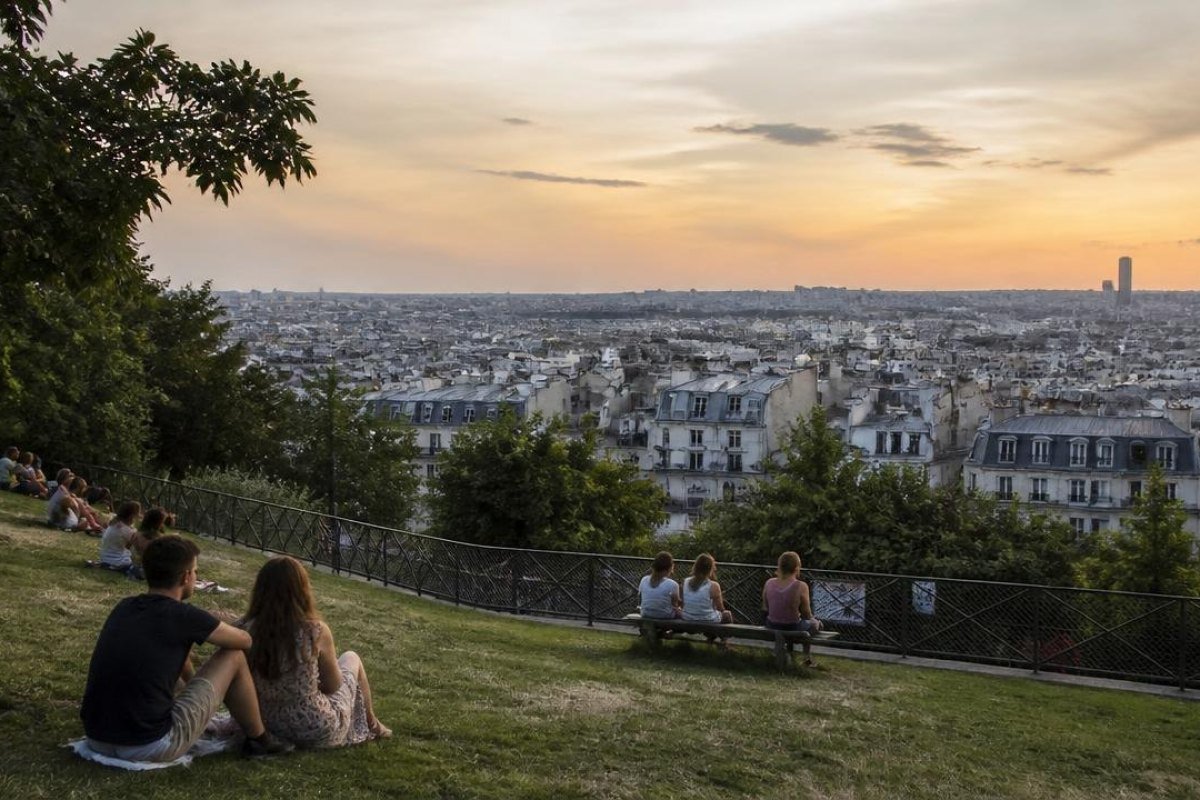
Montmartre is more than the basilica and its famous steps. Look for village-like lanes, artist history, and quiet corners around the hill. The area’s former studios, small museums, vineyards, and winding streets reveal a different side of Paris.
Start near Sacré-Cœur for the views, then move away from the busiest paths toward quieter residential streets. Wear comfortable shoes, as the neighborhood has steep slopes and uneven pavement in places.
Walk beside Canal Saint-Martin
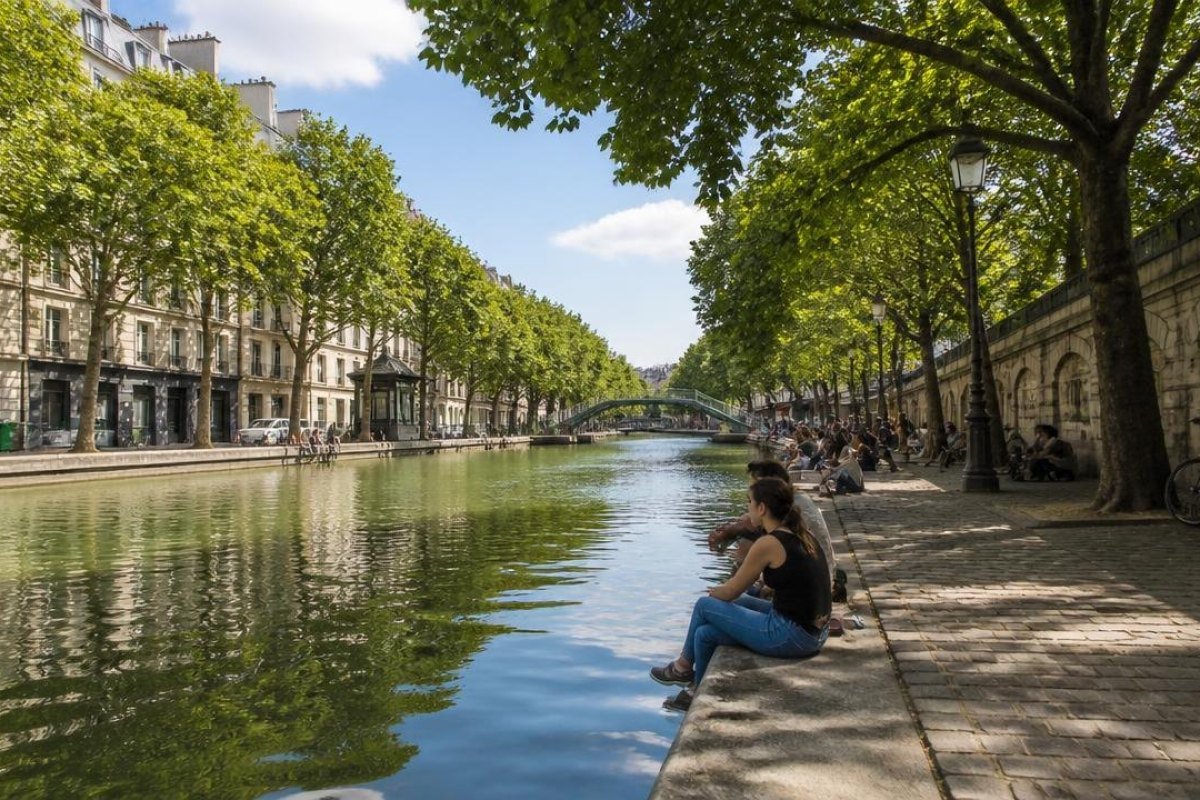
The Canal Saint-Martin offers a more relaxed urban experience, with tree-lined pathways, footbridges, waterside cafés, and neighborhood restaurants. It is particularly enjoyable for a slow morning walk or an informal picnic when the weather is pleasant.
Continue toward the surrounding streets of the 10th and 11th arrondissements for independent shops, bakeries, and casual dining. The canal is best enjoyed at an unhurried pace rather than treated as a quick photo stop.
Relax in Paris’s Gardens and Parks
Paris has many green spaces where you can rest between museums and monuments. A short break in a garden can make a busy itinerary feel more balanced, especially during warmer months.
Spend time in the Luxembourg Gardens
The Luxembourg Gardens are ideal for a peaceful break on the Left Bank. Enjoy the formal flowerbeds, tree-lined paths, statues, and the large central basin, where the atmosphere changes throughout the day.
Combine the gardens with a walk through Saint-Germain-des-Prés, the Latin Quarter, or the streets around the Panthéon. Garden access and individual facilities may vary by season, so check current information if you are planning a specific activity.
Stroll through the Tuileries Garden
Located between the Louvre and Place de la Concorde, the Tuileries Garden is one of the city’s classic places for a walk. Its sculpture-lined avenues, fountains, terraces, and open views make it a natural transition between major sights.

Visit early for a quieter atmosphere, or stop in the afternoon when cafés and seating areas are livelier. From here, you can continue toward the Champs-Élysées, the Seine, or the Musée de l’Orangerie.
See a different side of Paris at Parc de la Villette
For a more modern and spacious experience, explore Parc de la Villette. The area combines green spaces, cultural venues, unusual architectural features, and broad paths that are well suited to walking.
It is a useful choice for families, architecture enthusiasts, and travelers who want to explore beyond central Paris. Check the schedules of individual venues before visiting, as the park’s cultural program changes regularly.
Enjoy Views, Water, and Memorable Walks
Paris is particularly rewarding when experienced from the ground. Instead of moving directly between attractions, build time into your itinerary for bridges, quays, viewpoints, and quiet streets.
Take a scenic walk along the Seine
A walk along the Seine riverbanks offers changing views of historic bridges, islands, monuments, and elegant façades. Choose a short route around Île de la Cité, or make a longer walk between the Musée d’Orsay, the Louvre, and the Latin Quarter.
For a different perspective, consider a sightseeing cruise. Operators and routes vary, so compare departure points and current schedules before booking. Evening cruises can be atmospheric, while daytime trips are often better for identifying landmarks.
Visit the Arc de Triomphe
The Arc de Triomphe provides a dramatic view over Parisian avenues radiating from the monument. Its elevated terrace is especially useful for understanding the city’s grand urban layout.
The traffic circle around the monument is extremely busy, so use the designated underground pedestrian access rather than attempting to cross the road. This guide to getting around Paris can also help you plan your route. Confirm current admission and access information before your visit.
Look across the city from Parc de Belleville
For a less conventional viewpoint, head to Parc de Belleville in the east of Paris. The park combines city panoramas, sloping gardens, and a neighborhood atmosphere that feels different from the central tourist routes.
It pairs well with an exploration of Belleville’s multicultural food scene and street art. Visit during daylight and allow time to explore the surrounding streets rather than treating the park only as a viewpoint.
Experience Paris Through Food and Local Life
Paris is not only a city of monuments; it is also a place of daily rituals. Markets, bakeries, cafés, and neighborhood restaurants can offer some of the most memorable moments of a trip.
Browse a traditional food market
A visit to a Paris food market is an easy way to experience local ingredients, seasonal produce, cheeses, bread, and prepared foods. Market days differ by neighborhood, and some stalls may not operate every day.
Buy a few items for a picnic, ask vendors about seasonal specialties, and avoid arriving just before closing if you want the widest choice. Check local listings for the current market schedule.
Make time for a café terrace
Reserve part of your itinerary for café culture and people-watching. A terrace in Saint-Germain-des-Prés, the Marais, or near Canal Saint-Martin can turn a simple coffee or light meal into a relaxed Paris experience.
For a more authentic rhythm, slow down rather than trying to fit several attractions into every hour. Lunch and dinner customs vary by establishment, so confirm service times if you are planning around a particular restaurant.
Plan a More Enjoyable Paris Itinerary
The best Paris itinerary balances major cultural sites with open time. Group activities by neighborhood to reduce unnecessary travel, and avoid scheduling too many museums on the same day.
Reserve popular attractions when timed entry is offered, and verify opening hours, temporary closures, ticket rules, and transport conditions through official sources shortly before your visit. Paris is easy to explore on foot in many central areas, while the Metro and buses can help connect districts that are farther apart.
Most importantly, leave room for discovery. A quiet courtyard, a neighborhood bakery, a small gallery, or an unexpected view may become the moment you remember most.