
Paris rewards curiosity, but a first visit can quickly become overwhelming if you try to see everything. This three-day city itinerary focuses on the city’s essential experiences while leaving enough time for relaxed walks, café breaks, and spontaneous discoveries.
Before You Go: Plan a Comfortable Paris Trip
Start with a central base, especially around the Louvre, Marais, Latin Quarter, Saint-Germain-des-Prés, or the Eiffel Tower area. These neighborhoods make it easier to combine walking with short metro journeys and reduce time spent crossing the city.
Reserve popular attractions in advance whenever possible. The Louvre Museum recommends timed admission, and the Eiffel Tower also uses advance booking for many visits. Check official websites shortly before your trip for current opening hours, ticket rules, temporary closures, and security requirements.
Paris is best explored with comfortable shoes. Bring a small bag, dress in layers, and allow extra time for security checks, queues, and slower journeys during busy periods. The best ways of getting around Paris are usually the Metro and walking, while official Île-de-France transport information is the best place to confirm current fares and ticket options.

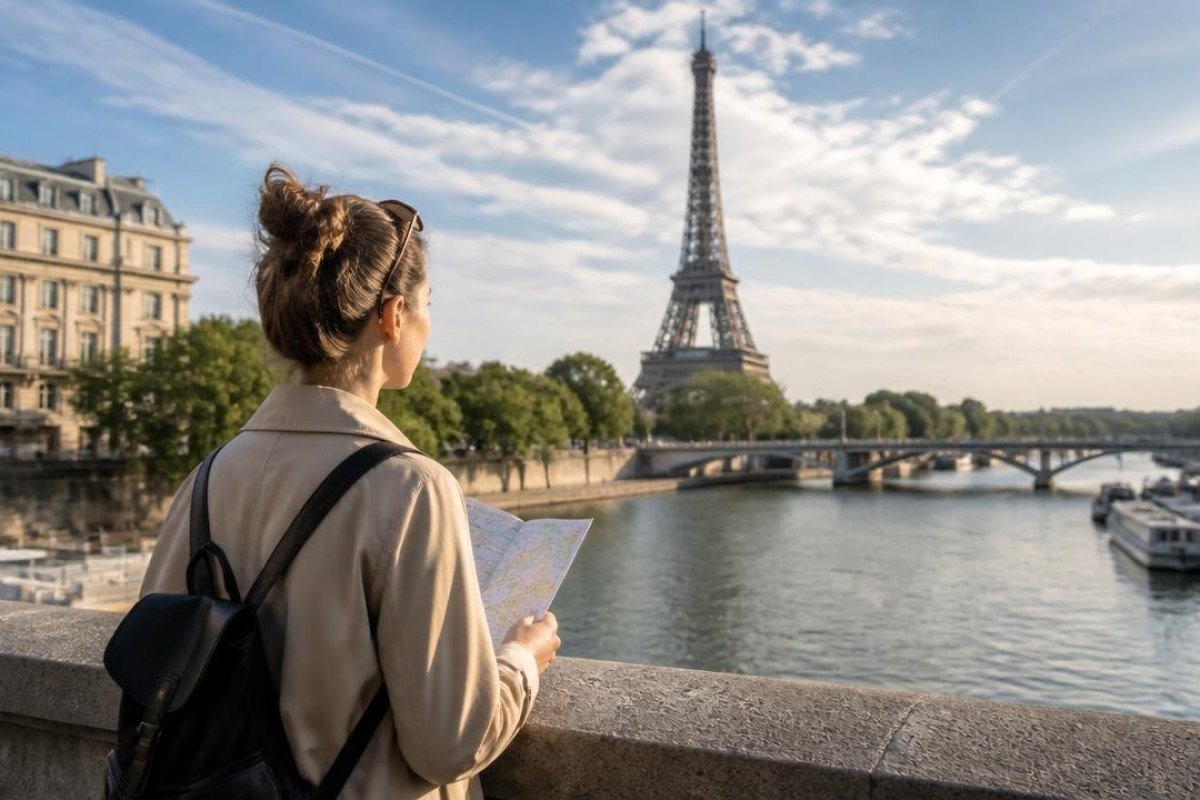
Day 1: The Louvre, Historic Paris, and the Seine
Begin your first morning in the heart of Paris. This day introduces the city through its most famous museum, royal architecture, river views, and historic neighborhoods. Keep the pace unhurried: the aim is to experience the atmosphere, not simply collect photographs.
Morning: Explore the Louvre and Tuileries Garden
Book an early timed entry to the Louvre Museum and decide in advance which galleries matter most to you. The museum is enormous, so first-time visitors should avoid attempting to see every room. Choose a short list such as Egyptian antiquities, Greek and Roman sculpture, Renaissance painting, or the Mona Lisa.
Afterward, leave through the Carrousel area and continue into the Tuileries Garden. Take a seat beside the formal ponds, admire the sculpture, and walk west toward Place de la Concorde. This is a pleasant way to recover after several hours indoors.
Afternoon: Île de la Cité and the Latin Quarter
Walk toward the Seine and cross to Île de la Cité, the historic island at the center of Paris. Visit Notre-Dame from the outside or check the current official visitor arrangements before planning an interior visit. Continue toward the riverside and enjoy views of the bridges, bookstalls, and historic façades.
Cross toward the Latin Quarter for lunch and an afternoon stroll. Explore the area around the Sorbonne, the Panthéon, and the narrow streets near Rue Mouffetard. Choose a traditional bistro, crêperie, or casual café rather than trying to fit in another major museum.
Evening: Saint-Germain-des-Prés and a Seine Walk
Spend the evening in Saint-Germain-des-Prés, known for elegant streets, bookshops, galleries, cafés, and restaurants. Walk toward the river as the light softens, then follow the Seine for a memorable introduction to Paris after dark.
For dinner, reserve a table if you have a particular restaurant in mind. Otherwise, look for a neighborhood restaurant away from the busiest monument areas. End with a relaxed drink or dessert rather than planning another demanding attraction.
Day 2: The Eiffel Tower, the Seine, and Montmartre
Your second day combines Paris’s most recognizable landmark with two very different views of the city. The Eiffel Tower provides the classic panorama, while Montmartre offers steep streets, artistic history, and a village-like atmosphere.
Morning: Eiffel Tower and Trocadéro
Arrive in the Trocadéro area early for one of the best approaches to the Eiffel Tower. From the gardens and terraces, you can take in the full structure before walking across the Seine toward the tower itself.
If you want to go up, reserve tickets through the official Eiffel Tower website and check which access level and lift or stairs option your ticket includes. If tickets are unavailable, the area is still worthwhile: walk through the Champ de Mars, admire the tower from different angles, and continue toward the Invalides district.
Afternoon: Musée d’Orsay or a Relaxed Left-Bank Walk
Choose between the Musée d’Orsay and a slower afternoon on the Left Bank. The museum is especially rewarding for visitors interested in Impressionist and Post-Impressionist art, but check current booking and opening information before going.
If you prefer to stay outdoors, walk from the Eiffel Tower toward Les Invalides, then continue through Saint-Germain-des-Prés or along the riverside. A leisurely lunch, pastry stop, and time in a small square can make the day feel more like Paris and less like a checklist.
Evening: Montmartre and Sacré-Cœur
Travel to Montmartre in the late afternoon. Climb gradually through the neighborhood rather than rushing straight to the basilica. Explore Rue des Abbesses, Place du Tertre, quieter residential lanes, and the area around the Moulin de la Galette.

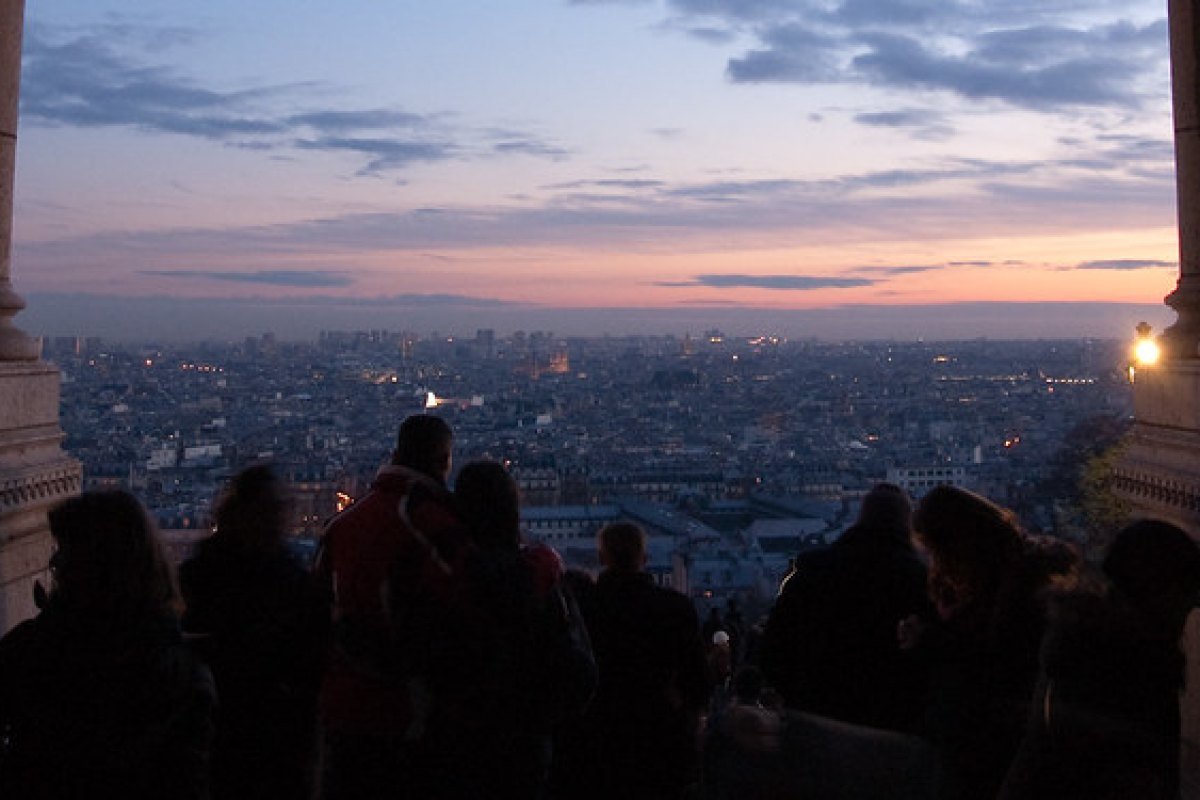
Finish at Sacré-Cœur for broad city views. The steps can be crowded, so keep valuables secure and stay aware of your surroundings. After sunset, dine in Montmartre or descend toward South Pigalle for a livelier selection of restaurants and bars.
Day 3: The Marais, Canal Saint-Martin, and Your Choice of Paris
Use the final day for a more flexible experience. Start with the historic Marais, then choose an afternoon based on your interests: art, shopping, gardens, food, or a quieter neighborhood walk.
Morning: Marais and Place des Vosges
Begin in the Marais, one of the most atmospheric areas for walking. Browse independent shops, historic mansions, galleries, cafés, and courtyards around Rue des Rosiers and Rue des Francs-Bourgeois.
Continue to Place des Vosges, one of Paris’s most elegant squares. Sit beneath the arcades or walk through the central garden before exploring the nearby Hôtel de Sully and surrounding streets. The district is ideal for a relaxed breakfast or early lunch.
Afternoon: Pick the Experience That Suits You
For art lovers, choose a museum such as the Centre Pompidou, Musée Picasso Paris, or Musée de l’Orangerie, checking current opening arrangements before visiting. For gardens and architecture, consider the Luxembourg Gardens or Palais Royal.
For food-focused travelers, explore local markets, bakeries, cheese shops, and covered passages. If you prefer a slower pace, walk beside the Canal Saint-Martin, where tree-lined paths, bridges, cafés, and neighborhood shops create a more local-feeling afternoon.
Evening: Farewell Dinner and One Last View
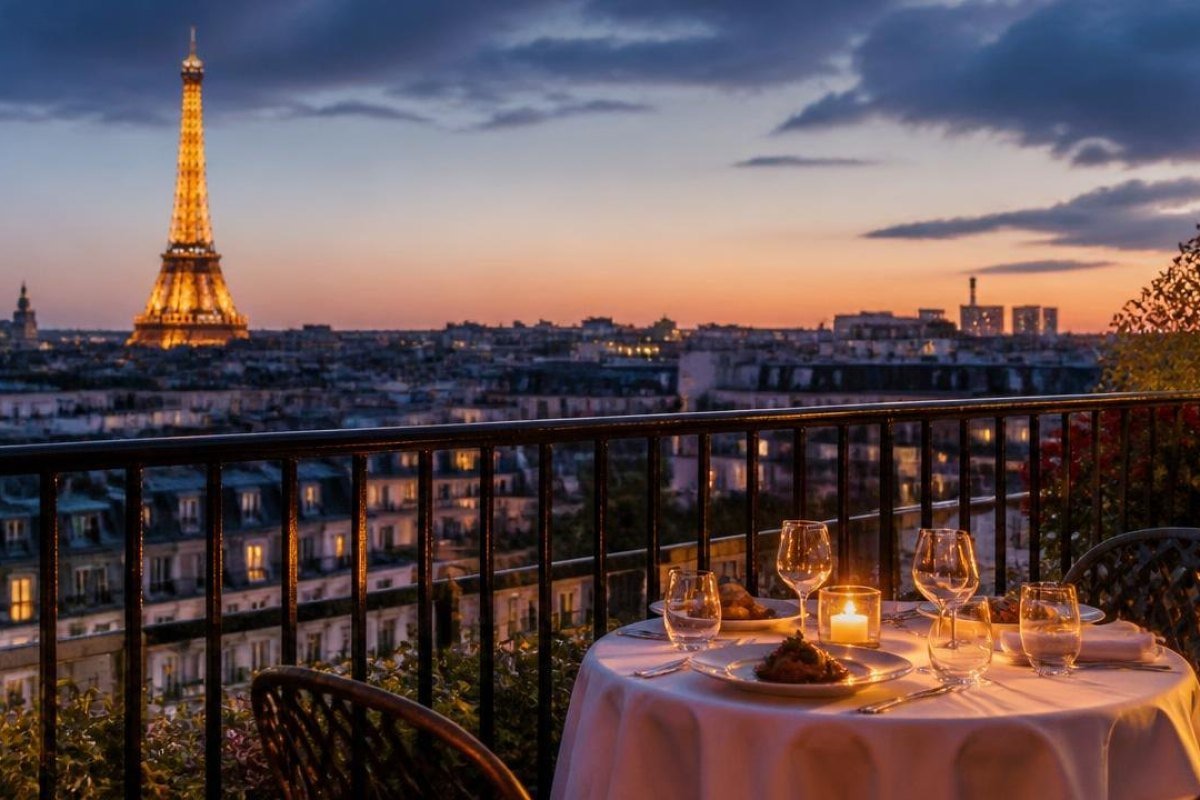
Choose a final dinner in the neighborhood you enjoyed most. The neighborhoods by travel style approach is useful when comparing the Marais, Saint-Germain-des-Prés, Canal Saint-Martin, and Montmartre, which all offer different evening moods, from lively dining streets to intimate bistros.
Before leaving, take one last walk along the Seine or return to a favorite viewpoint. Paris is often most memorable when the schedule becomes less structured and you simply follow an attractive street, bridge, or café terrace.
Practical Tips for First-Time Visitors
Keep your daily plan geographically focused. Grouping nearby sights into the same day means more time for walking and wandering and less time changing trains. Paris attractions can also take longer than expected because of queues, security checks, and large galleries.
For transport, use the official Île-de-France Mobilités information to confirm the best current ticket or pass for your dates. The Metro, RER, buses, and walking network can cover most first-time attractions, but routes and fares may change, so verify them shortly before travel.
At restaurants, do not feel pressured to order several courses. A simple lunch formula, bakery stop, or café meal can be both enjoyable and efficient. Keep an eye on personal belongings in crowded areas and around major transport hubs, particularly when carrying passports, phones, or wallets.
Where to Stay for Three Days in Paris
For maximum convenience, consider the 1st arrondissement near the Louvre and Châtelet. You will be close to major sights and transport connections, although accommodation can be expensive and busy.
The Marais and Latin Quarter are excellent choices for travelers who want historic streets, restaurants, cafés, and easy access to central attractions. Saint-Germain-des-Prés offers a more polished atmosphere, while the 7th arrondissement is convenient for visitors prioritizing the Eiffel Tower and Invalides.
Montmartre can provide more neighborhood character, but its hills and distance from some central sights may mean more metro journeys. Whichever area you choose, prioritize a safe, well-connected street over a specific arrondissement label.
How to Make This Itinerary Your Own
This plan is intentionally flexible. Replace one museum with extra time in a garden, shorten Montmartre if you dislike hills, or dedicate more of Day 3 to shopping and food. The most important ingredients are advance reservations, comfortable walking, and enough unplanned time to enjoy Paris at street level.
Three days will not cover every landmark, but it can provide a balanced first impression: grand museums, famous monuments, historic neighborhoods, river views, and the everyday pleasures of cafés and bakeries. Leave with a few places still unexplored, and you will have a perfect reason to return.
анычык tal?