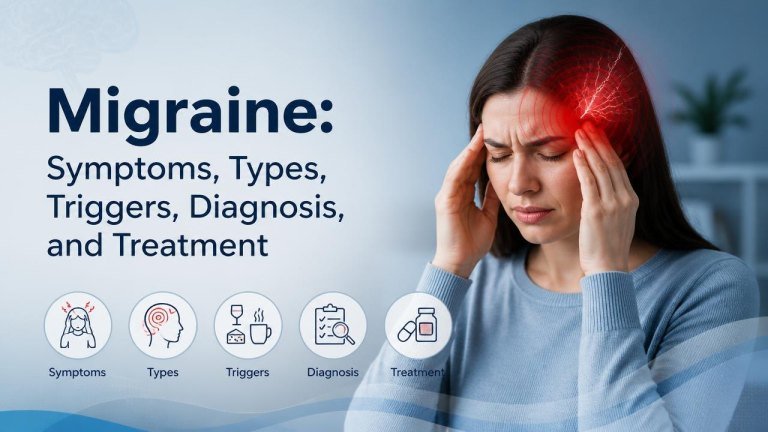
Migraine is a neurological condition that can cause much more than head pain. Attacks may affect vision, balance, concentration, digestion, and sensitivity to everyday sounds or light. Understanding the symptoms, triggers, and migraine treatment options can make it easier to seek appropriate care and create a practical management plan.
What Is a Migraine?
A migraine is a recurring neurological disorder involving changes in the brain and nervous system. The pain is often moderate to severe, may feel pulsing or throbbing, and can worsen with routine physical activity. An attack may last for hours or, in some cases, several days.
Migraine affects people differently. Some individuals experience head pain, while others mainly notice visual, sensory, or digestive symptoms and patterns. A personal history of attacks can help a healthcare professional identify patterns and recommend suitable care.
Common Migraine Symptoms
Migraine symptoms can occur before, during, or after the main phase of an attack. Common features include one-sided head pain, nausea or vomiting, and sensitivity to light and sound.

- Throbbing or pulsating head pain
- Pain that becomes worse with movement or routine activity
- Nausea, vomiting, or reduced appetite
- Light, sound, smell, or touch sensitivity
- Difficulty concentrating or temporary fatigue
- Neck discomfort or dizziness
Not every attack includes all of these symptoms. Keeping a symptom diary may help identify how attacks begin, how long they last, and what treatments provide relief.
Migraine Aura
An aura is a temporary group of neurological symptoms that may occur before or during a migraine. It can involve flashing lights, zigzag patterns, or tingling sensations. Some people experience speech or language difficulties, although these symptoms typically resolve within a limited period.
New, sudden, or unusual neurological symptoms require prompt medical assessment because they can resemble other urgent conditions. Do not assume that every visual or sensory change is migraine-related.
Migraine Phases
A migraine attack may develop through several phases: prodrome, aura, the headache phase, and postdrome. Not everyone experiences every phase, and the timing can vary.
Prodrome may include mood changes, food cravings, yawning, sleep changes, or neck stiffness. After the headache improves, postdrome may leave a person feeling tired, mentally foggy, or unusually sensitive for a while.
Types of Migraine
Healthcare professionals classify migraine according to its symptoms and frequency. The most familiar categories include migraine without aura, migraine with aura, and chronic migraine.
Migraine Without Aura
This is the most common form. It usually causes recurrent head pain with symptoms such as nausea, light sensitivity, and worsening discomfort during activity, without a recognizable aura beforehand.
Migraine With Aura
This type includes reversible neurological symptoms before or during the headache. Aura may involve visual changes, numbness or tingling, or temporary speech difficulty. A clinician should evaluate new aura symptoms, especially when they are sudden or different from previous attacks.
Chronic Migraine
Chronic migraine refers to a frequent migraine pattern over an extended period. Because frequent headaches can also result from medication overuse or other conditions, accurate assessment is important. A treatment plan may combine preventive medicine, lifestyle changes, and careful management of acute medications.
Common Migraine Triggers
Triggers vary widely. A trigger does not always cause an attack, and several factors may combine. Frequently reported triggers include irregular sleep, dehydration, and stress or stress letdown.

- Skipping meals or eating at inconsistent times
- Dehydration or excessive alcohol intake
- Too much or too little sleep
- Bright, flickering, or strong artificial light
- Loud sounds or strong smells
- Hormonal changes
- Weather or pressure changes for some people
- Caffeine changes, including sudden withdrawal
- Specific foods, if they are personally linked to attacks
Avoiding every possible trigger can become restrictive and stressful. Instead, record meals, sleep, hydration, stress, activities, and symptoms to identify reliable personal patterns.
How Migraine Is Diagnosed
There is no single test that confirms most migraine cases. Diagnosis usually depends on a detailed medical history and a neurological examination. A clinician considers the symptom pattern, attack duration, and personal and family history.
Imaging or other tests may be recommended when symptoms are unusual, the examination is abnormal, or another cause needs to be ruled out. Share information about medications, supplements, headache frequency, aura, and any recent change in symptoms.
Migraine Treatment Options
Migraine treatment generally has two goals: stopping an attack and reducing future attacks. The right approach depends on symptom severity, frequency, health history, pregnancy considerations, and other medicines. Common strategies include acute treatment, preventive treatment, and behavioral support.
Treating an Attack
Early treatment may be more effective for some people. Depending on individual circumstances, a healthcare professional may recommend over-the-counter pain relievers or prescription medicines designed for migraine. Options can include medicines for pain relief, nausea control, or migraine-specific treatment.
Use medicines exactly as directed. Taking acute headache medicine too often can contribute to medication-overuse headache, so frequent attacks should be discussed with a clinician rather than managed by repeatedly increasing medication.
Preventing Migraine
Preventive treatment may be considered when attacks are frequent, prolonged, disabling, or difficult to control. Options may include prescription medicines, injections, or other specialist treatments. A prevention plan may also focus on regular sleep, consistent meals, and stress management.
Preventive medicines often require time and follow-up to assess benefits and side effects. Never stop a prescribed treatment suddenly without medical advice.
Lifestyle Strategies
Daily routines can support medical treatment. Aim for steady hydration, regular physical activity, and a consistent sleep schedule. Eating regularly, taking breaks from screens, and using relaxation techniques may also help some people.
A calm, dark room and a cool compress can provide comfort during an attack. These measures do not replace medical care, but they may complement an individualized treatment plan.
When to Seek Urgent Medical Care
Seek urgent medical attention for a sudden severe headache, a headache after a significant injury, or symptoms such as weakness on one side or new confusion. Urgent assessment is also important when headache occurs with fever and stiff neck, fainting, a seizure, persistent vision loss, or symptoms that are new and rapidly worsening.
Contact a healthcare professional if headaches are becoming more frequent, changing in character, interfering with daily life, or requiring pain medicine often. A timely evaluation can identify other causes of headaches and improve access to effective treatment.
Living With Migraine
Migraine management is usually an ongoing process rather than a single decision. Track attacks, treatments, possible triggers, and recovery. Bring this information to appointments so your clinician can adjust the plan based on real-world patterns, treatment response, and daily impact.
With an accurate diagnosis and appropriate support, many people can reduce migraine disruption and regain confidence in managing their symptoms.