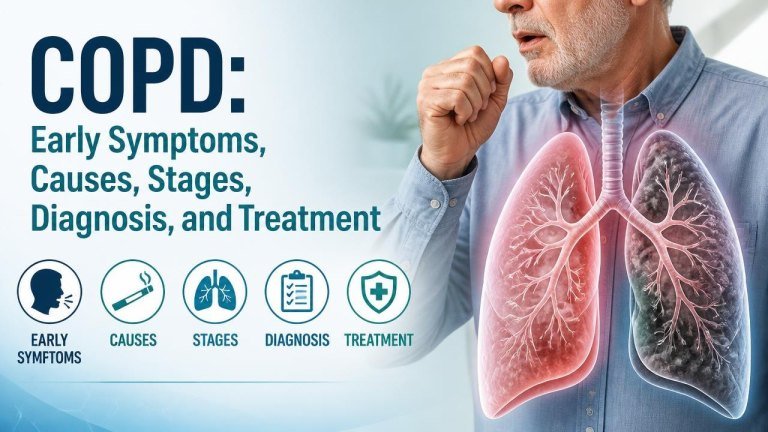
Chronic obstructive pulmonary disease (COPD) is a long-term lung condition that makes it harder to move air in and out of the lungs. It usually develops gradually, so early symptoms can be easy to dismiss. Recognizing changes in breathing and seeking medical advice can help people receive treatment and support sooner.
What Is COPD?
COPD is an umbrella term for lung diseases that cause persistent airflow limitation. The two main forms are emphysema, which damages the air sacs, and chronic bronchitis, which involves ongoing inflammation and mucus production in the airways. Some people have features of both conditions.
COPD is usually progressive, meaning symptoms may worsen over time, although the pace differs from person to person. Treatment cannot reverse established lung damage, but it can reduce symptoms, lower the risk of flare-ups, and improve daily function.
Early Symptoms of COPD
Early COPD symptoms may be mild and appear mainly during physical activity. Important warning signs include shortness of breath, a cough that does not go away, and increased mucus. These symptoms are sometimes mistaken for normal aging, poor fitness, allergies, or repeated infections.
- A persistent cough, with or without mucus
- Breathlessness during walking, climbing stairs, or other activity
- Wheezing or a whistling sound when breathing
- Chest tightness or a feeling that breathing takes more effort
- Frequent respiratory infections or longer recovery from colds
- Reduced stamina, tiredness, or difficulty keeping up with usual activities
Symptoms that are new, worsening, or interfering with everyday life deserve medical evaluation. Severe breathlessness, bluish lips or fingers, confusion, or difficulty speaking because of breathing problems requires urgent medical attention, as can occur with pneumonia symptoms and causes.
What Causes COPD?
Long-term exposure to irritants can injure the airways and lung tissue. Tobacco smoke is a major cause, including exposure to secondhand smoke. However, COPD can also affect people who have never smoked.
- Dust, fumes, and chemicals in the workplace
- Indoor smoke from cooking or heating fuels in poorly ventilated spaces
- Air pollution and prolonged exposure to other lung irritants
- A history of severe or repeated childhood respiratory problems
- A rare inherited condition called alpha-1 antitrypsin deficiency
Risk is influenced by the intensity and duration of exposure, genetics, age, and overall lung health. A healthcare professional can help identify the most likely contributing factors.
Stages and Severity of COPD
Doctors commonly describe COPD severity using symptoms, the number of flare-ups, and results from breathing tests. Spirometry measures how much air a person can exhale and how quickly. The test result, especially the forced expiratory volume in one second, may help classify airflow obstruction.
Severity categories are often described as mild, moderate, severe, or very severe. These labels do not tell the whole story: daily symptoms, exercise tolerance, oxygen levels, other health conditions, and previous exacerbations also matter. Two people with similar test results may need different treatment plans.
How COPD Is Diagnosed
Diagnosis begins with a medical history and physical examination. A clinician may ask about smoking, occupational exposures, cough, mucus, breathlessness, infections, and family history. Spirometry is the key test used to confirm persistent airflow obstruction.
Tests Your Clinician May Consider
- Pulse oximetry to estimate blood oxygen saturation
- Chest X-ray or CT imaging to assess the lungs and rule out other problems
- Blood tests when another condition or alpha-1 antitrypsin deficiency is suspected
- Exercise or lung-volume testing when symptoms and initial results do not match
COPD can resemble asthma, heart disease, anemia, or sleep apnea diagnosis and treatment. Accurate diagnosis helps ensure that treatment targets the correct cause.

COPD Treatment
Although COPD has no cure, a personalized plan can improve breathing and quality of life. Treatment usually combines risk-factor reduction, medicines, physical activity, and regular follow-up.
Inhaled Medicines
Bronchodilators relax airway muscles and help air move more freely. Some are used regularly, while others provide quick relief during symptoms. Inhaled corticosteroids may be appropriate for certain people, particularly those with frequent flare-ups or specific signs of airway inflammation.
Correct inhaler technique is essential. Ask a healthcare professional to review how you use the device, and do not start, stop, or change prescription medicines without medical guidance.
Pulmonary Rehabilitation and Daily Support
Pulmonary rehabilitation combines supervised exercise, breathing strategies, education, and support. It can improve exercise capacity and confidence with daily activities. Staying active within safe limits, maintaining nutrition, and keeping recommended vaccinations up to date may also help protect lung health.
Oxygen and Advanced Treatment
Long-term oxygen therapy may be prescribed when blood oxygen remains too low. Some people with advanced disease may be evaluated for procedures, lung-volume reduction treatments, or transplantation. These options depend on overall health, lung findings, and specialist assessment.
Managing COPD Flare-Ups
A flare-up, or exacerbation, is a noticeable worsening of symptoms such as breathlessness, cough, or mucus over a short period. Possible triggers include infections, smoke, pollution, and other irritants. A written action plan can explain which medicines to use and when to contact a clinician.
Seek urgent help for severe breathing difficulty, chest pain, fainting, confusion, or symptoms that rapidly worsen. Early treatment of a flare-up may reduce complications, but antibiotics or steroids should be used only when prescribed or specifically advised.
Living Well With COPD
Stopping smoking is one of the most important steps for people who smoke. Support may include counseling, nicotine replacement, or prescription treatment. Avoiding workplace and household irritants, improving ventilation, and following a care plan can also reduce exposure.
Regular follow-up helps monitor lung function, symptoms, medication effects, and flare-up risk. Tell your clinician about changes in activity, sleep, mood, or appetite, since these can be part of the broader impact of COPD.
When to See a Doctor
Make an appointment if you have a long-lasting cough, unexplained breathlessness, wheezing, repeated chest infections, or a history of substantial smoke or dust exposure. Earlier assessment may identify COPD or another treatable condition before symptoms become more limiting.
This article is for general education and does not replace personalized medical advice. A qualified healthcare professional can recommend appropriate tests and treatment for your symptoms.