Cholesterol is often discussed as though it were a single number, but a cholesterol test includes several measurements. Understanding the difference between LDL cholesterol, HDL cholesterol, and triglycerides can make your results easier to interpret and help you have a more useful conversation with a healthcare professional.
What is cholesterol?
Cholesterol is a waxy substance your body needs to build cells, produce certain hormones, and support other essential functions. Your liver makes cholesterol, and you also obtain some from animal-based foods. Because cholesterol does not dissolve easily in blood, it travels through the bloodstream inside particles called lipoproteins.
The important point is that cholesterol itself is not automatically harmful. The concern is usually about how much cholesterol is circulating, which lipoproteins carry it, and your overall cardiovascular risk.
Understanding the main cholesterol numbers
A standard lipid panel may report total cholesterol, LDL cholesterol, HDL cholesterol, and triglycerides. Each result provides different information, so one number should not be considered in isolation.

LDL cholesterol
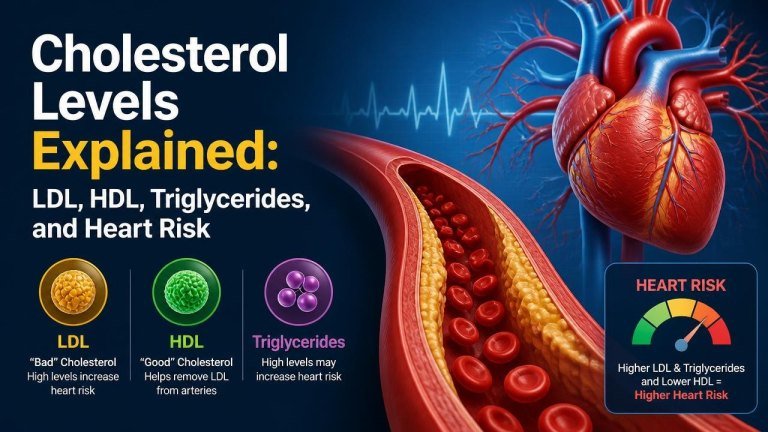
Low-density lipoprotein, or LDL, is often called “bad” cholesterol. LDL can contribute to the buildup of fatty deposits in artery walls. Over time, this process may narrow arteries and increase the likelihood of heart disease, heart attack, or stroke.
For many people, a lower LDL level is associated with lower cardiovascular risk. However, the most appropriate goal depends on factors such as existing heart or blood-vessel disease, diabetes, kidney disease, family history, and other risk factors.
HDL cholesterol
High-density lipoprotein, or HDL, is commonly known as “good” cholesterol. HDL helps transport some cholesterol away from the bloodstream and back to the liver for processing. HDL is one part of the overall picture, but a higher HDL number does not automatically cancel out a high LDL level or other risks.
Rather than focusing on HDL alone, consider it alongside LDL levels, triglycerides, and your broader health profile.
Triglycerides
Triglycerides are another type of fat in the blood. The body can use them for energy, but levels may rise when you consume more calories than you need, particularly from refined carbohydrates, alcohol, or excess dietary fat. High triglycerides may also be associated with obesity, prediabetes and diabetes, thyroid conditions, liver or kidney disease, and certain medicines.
Very high triglyceride levels can require prompt medical attention. If your result is substantially elevated, ask a healthcare professional what it means and whether you need follow-up testing or treatment.
What does total cholesterol mean?
Total cholesterol combines several measurements, including LDL and HDL cholesterol. It can provide a quick overview, but it does not show the complete risk picture. Two people with the same total cholesterol may have different LDL, HDL, triglyceride, blood pressure, or medical profiles.
For that reason, interpreting total cholesterol together with the full lipid panel, personal risk factors, and medical history is more useful than relying on the total alone.

How cholesterol affects heart risk
Persistently high LDL can contribute to atherosclerosis, a gradual buildup of plaque in the arteries. Plaque may restrict blood flow or become unstable and contribute to a clot. This can raise the risk of cardiovascular events.
Heart risk is influenced by more than cholesterol. Important considerations include blood pressure, smoking status, diabetes, age, family history, kidney health, physical activity, and previous cardiovascular disease. A healthcare professional may combine these factors when estimating your risk and deciding whether lifestyle changes, medication, or both are appropriate.
How to prepare for a cholesterol test
Some cholesterol tests can be performed without fasting, while others may require you to avoid food for a specified period. Follow the instructions provided by your clinic or laboratory rather than assuming one approach applies to every test.
Tell your healthcare professional about medications and supplements, recent illness, major changes in weight, and any relevant health conditions. These details can help put an unusual result into context.
Ways to support healthier cholesterol levels
Cholesterol management is usually based on sustainable habits rather than a single “perfect” food. Helpful steps may include:
- Choose more vegetables, fruits, beans, whole grains, nuts, and seeds.
- Replace some foods high in saturated fat with sources of unsaturated fat, such as fish, olive oil, and certain nuts.
- Limit highly processed foods and reduce excess added sugars, especially when triglycerides are elevated.
- Be physically active in ways that are safe and realistic for your health and fitness level.
- Work toward a healthy weight if recommended by your healthcare professional.
- Avoid smoking and keep alcohol intake within medical guidance, particularly if triglycerides are high.
These habits can support heart health, blood sugar control, and triglyceride management. They may not be enough for everyone, and prescribed treatment should not be stopped without medical advice.
When medication may be recommended
A healthcare professional may recommend cholesterol-lowering medication when LDL is significantly elevated, when cardiovascular disease is already present, or when the combined risk of future events is high. Treatment decisions may also consider diabetes, kidney disease, inherited cholesterol conditions, and how well lifestyle changes are working.
Common treatment discussions may include expected benefits, possible side effects, and follow-up testing. If you have concerns about a medication, speak with the prescriber before changing the dose or stopping it.
Questions to ask about your results
When reviewing a lipid panel, consider asking:
- What are my LDL, HDL, triglyceride, and total cholesterol results?
- How do these numbers fit with my overall cardiovascular risk?
- Do I need a repeat test or additional evaluation?
- What lifestyle change would make the greatest difference for me?
- Should we discuss medication or other treatment options?
Keep in mind that cholesterol targets and treatment plans are personal. A result that is acceptable for one person may need closer attention in someone with a different medical history.
The bottom line
LDL, HDL, triglycerides, and total cholesterol each describe a different part of your cardiovascular health. In general, lower LDL can reduce risk, HDL provides useful context, and high triglycerides may signal the need for further attention. The best interpretation combines your laboratory results with your overall health, family history, and other risk factors.
Use your results as a starting point for an informed discussion with a qualified healthcare professional, rather than as a diagnosis on their own.