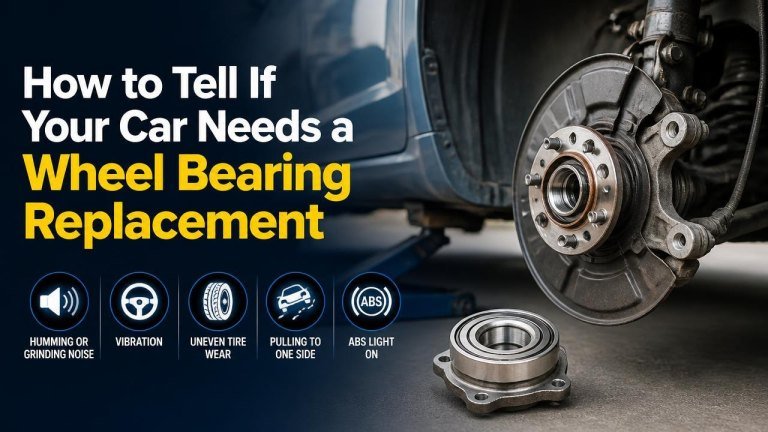
A wheel bearing allows your wheel to rotate smoothly while supporting the vehicle’s weight. When it begins to wear out, the symptoms can range from a faint humming sound to noticeable looseness or vibration. Recognizing the signs early can help protect other suspension and steering components.
What Does a Wheel Bearing Do?
A wheel bearing is a set of precision components located inside the wheel hub or brake assembly. It helps the wheel turn with minimal friction while carrying significant loads during acceleration, cornering, and braking.
Most modern vehicles use sealed bearings that require little routine maintenance. However, contamination, impact damage, high mileage, or normal wear can eventually cause the bearing to deteriorate.
Common Signs of a Failing Wheel Bearing
Wheel bearing problems do not always begin with an obvious failure. Pay attention to changes in road noise, steering feel, and vehicle stability, especially when they become more noticeable over time.
Humming, Growling, or Rumbling Noise
A worn bearing often produces a low humming, growling, or rumbling sound that increases with vehicle speed. Unlike engine noise, this sound may change when you gently steer left or right. The noise can seem to come from one corner of the vehicle, although sound may travel through the body and make the source difficult to identify.
Unevenly worn tires can create a similar sound, so a proper inspection is important before replacing any parts.
Vibration or Wobble
A damaged bearing may cause steering-wheel vibration, a subtle wobble, or a feeling that the vehicle is not tracking smoothly. These symptoms can also result from an unbalanced wheel, a damaged tire, or worn suspension parts.
Vibration that changes with vehicle speed or becomes more noticeable while turning deserves prompt attention.
Excessive Play in the Wheel
If a bearing is severely worn, the wheel may have noticeable movement when the vehicle is safely lifted and the tire is checked by hand. This looseness can affect handling, wheel alignment problems, and braking performance.
Do not rely on this test unless you know how to support the vehicle safely. Never place any part of your body under a vehicle held up only by a jack.
Uneven Tire Wear
A failing bearing can allow the wheel to move slightly out of its normal position. Over time, that movement may contribute to irregular tread wear, cupping, or wear that appears on one edge of the tire, making it important to rotate your tires as recommended.
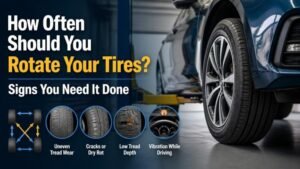
Because alignment problems and worn shocks can produce similar patterns, tire wear alone does not confirm a bearing failure.
ABS or Traction Control Warning Light
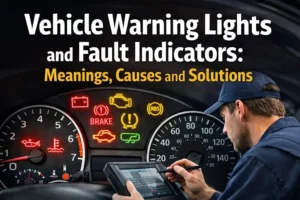
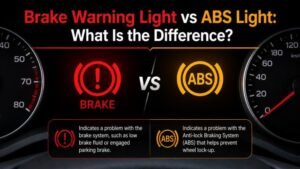
Some wheel hubs include a sensor used by the anti-lock braking or traction control system. A damaged bearing or hub can affect the sensor signal and trigger a warning light. The light may also indicate a separate electrical or braking-system issue, so diagnostic testing is necessary.
How to Tell Which Wheel Bearing Is Bad
Identifying the affected corner can be difficult because noise travels through the vehicle. A technician may use a road test, safely raised-wheel inspection, listening equipment, and electronic diagnostics to locate the problem.
As a general clue, a noise that becomes louder when the vehicle’s weight shifts during a gentle turn may point toward the bearing on the side receiving more load. This is only an indication, not a reliable home diagnosis.
Can You Drive With a Bad Wheel Bearing?
Driving with a suspected failing bearing is not recommended. A worn bearing can worsen quickly and may affect vehicle control, wheel alignment, and the operation of nearby components. Severe looseness, strong vibration, grinding, or a wheel that feels unstable should be treated as an urgent safety concern, especially alongside issues with brake pads and rotors.
If the vehicle is difficult to control or the wheel appears loose, stop driving and arrange professional assistance rather than continuing to a repair shop.
Wheel Bearing Replacement or Hub Replacement?
The required repair depends on the vehicle’s design and the condition of the parts. Some vehicles use a replaceable bearing, while others use a complete hub assembly containing the bearing and, in some cases, a wheel-speed sensor.
A qualified technician should inspect the bearing or hub, mounting surfaces, axle components, brakes, and nearby suspension parts before recommending the repair.
What Causes Wheel Bearings to Fail?
- Normal wear from mileage and repeated loading
- Water, dirt, or road debris entering a damaged seal
- Impact from potholes, curbs, or collisions
- Incorrect installation or improper tightening
- Excessive heat from brake or other mechanical problems
Regular tire inspections and prompt attention to unusual sounds can help identify related problems before they cause additional damage.
When to Schedule an Inspection
Arrange an inspection if you notice a new wheel-area noise, steering vibration, uneven tire wear, or a dashboard warning light. Seek immediate help for severe grinding, obvious wheel play, or loss of vehicle stability.
Because several tire, brake, steering, and suspension problems can resemble a bad wheel bearing, professional diagnosis is the safest way to confirm the cause and choose the correct repair.