Boston is compact enough to explore on foot, yet rich enough to fill an entire weekend with history, culture, food, and waterfront views. This two-day guide combines the city’s essential landmarks with neighborhood experiences, leaving enough flexibility for spontaneous discoveries.
How to Spend a Weekend in Boston
Boston rewards travelers who plan around walkable districts, historic landmarks, and short transit connections. The city center, Beacon Hill, Back Bay, the North End, and the waterfront can all be combined efficiently, but comfortable shoes are essential.
For a first visit, stay near Downtown, Back Bay, Beacon Hill, or the Seaport. These areas provide convenient access to restaurants, attractions, subway stations, and the city’s most scenic streets. Boston Logan International Airport is close to the city, and travelers can use airport shuttles, public transportation, taxis, or app-based rides depending on their arrival time and luggage.
Because attraction hours, tour departures, and seasonal services can change, check official websites shortly before your trip, especially if you want to visit a museum, historic house, or guided tour.

Day One: Boston’s Revolutionary History and the North End
Begin your first day at Boston Common, the city’s historic central park and the recommended starting point for the Freedom Trail. From here, follow the red-brick route through some of Boston’s most important historic sites.
Walk the Freedom Trail
The 2.5-mile Freedom Trail connects 16 official historic sites across Downtown, the North End, and Charlestown. Along the way, you can see the Massachusetts State House, Granary Burying Ground, King’s Chapel, the Old State House, Faneuil Hall, the Paul Revere House, and the Old North Church.
You can follow the trail independently or join an official guided walk. A self-guided visit offers flexibility, while a costumed tour can add context and stories that are easy to miss when sightseeing alone. Some historic buildings charge admission, and opening arrangements vary, so confirm details in advance.
Explore Faneuil Hall and Quincy Market
After walking through Downtown, pause around Faneuil Hall, Quincy Market, and the surrounding pedestrian areas. The district is busy and tourist-oriented, but its architecture, public performances, and central location make it a useful stop between the Freedom Trail and the waterfront.
For lunch, compare the market stalls with nearby independent restaurants. If you want a more relaxed meal, continue toward the North End, where Italian bakeries, cafés, and restaurants fill the narrow streets.
Spend the Afternoon in the North End
Boston’s North End is best explored slowly. Visit the Paul Revere House, look inside the Old North Church if it is open, and walk through Copp’s Hill Burying Ground. The neighborhood is compact, but its historic lanes and food scene can easily occupy several hours.
Reserve dinner if you have a particular restaurant in mind. Otherwise, enjoy a classic Italian meal and finish with a pastry or espresso from one of the neighborhood’s long-established bakeries.
Day Two: Back Bay, Beacon Hill, and the Charles River
Use your second day to experience a different side of Boston, combining elegant architecture, green public spaces, and riverfront views.
Start Along Newbury Street
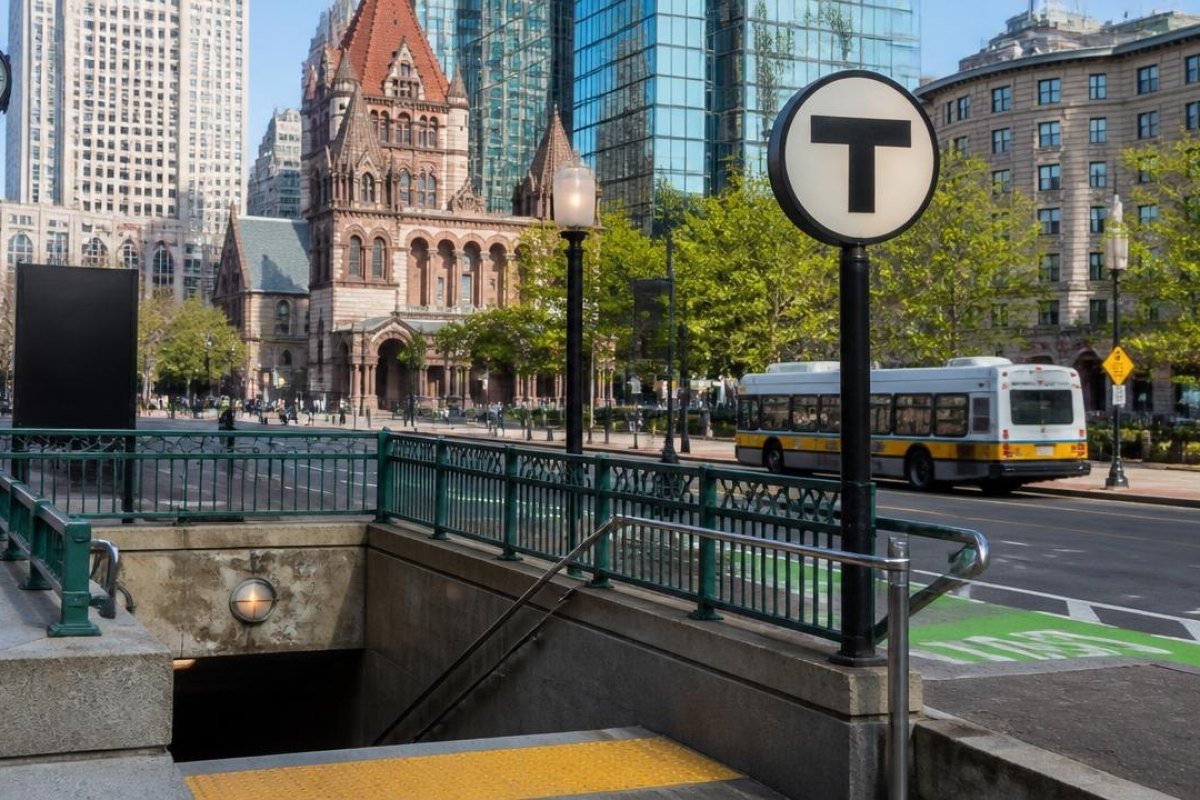
Begin in Back Bay with a walk along Newbury Street, where historic brownstones house boutiques, galleries, cafés, and restaurants. Continue toward Copley Square to admire Trinity Church, the Boston Public Library’s central location, and the surrounding architecture.

The Boston Public Library is more than a practical place to escape bad weather. Its historic interiors, reading rooms, courtyard, and exhibitions make it one of the city’s most rewarding cultural stops. Check current visitor information before arriving, as access and programming can vary.
Walk Through the Public Garden and Beacon Hill
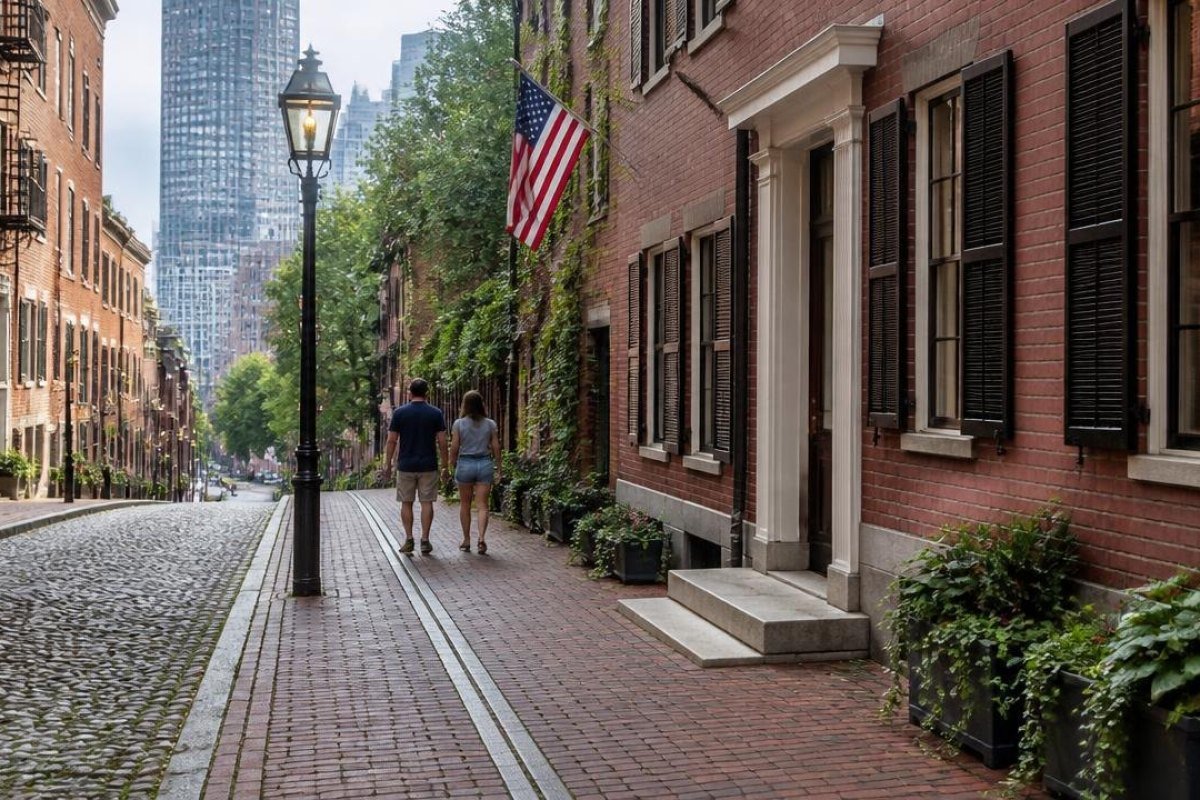
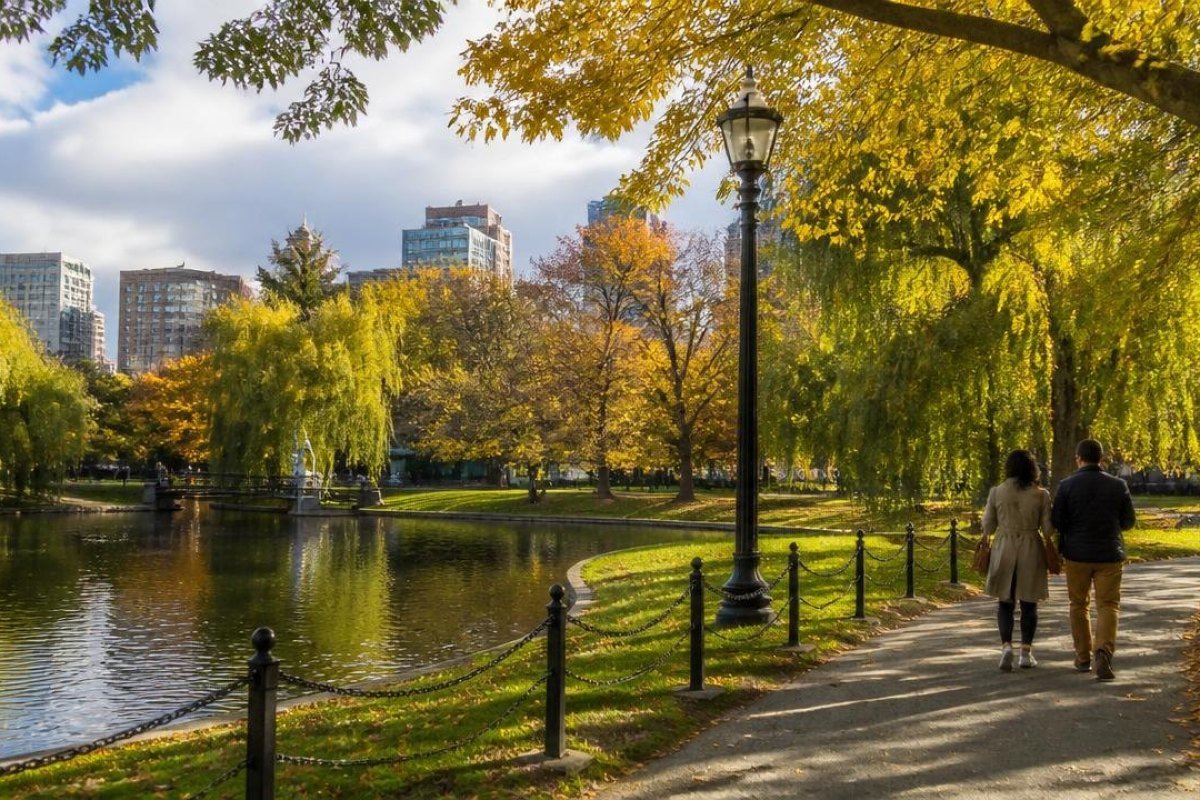
From Copley Square, walk toward the Boston Public Garden and nearby Boston Common. The Public Garden is known for its landscaped paths, lagoon, statues, and seasonal atmosphere. From there, continue into Beacon Hill for gas-lit streets, brick sidewalks, and distinctive Federal-style homes.
Acorn Street is one of the neighborhood’s most photographed lanes, but the wider area is more enjoyable when treated as a residential district rather than a single photo stop. Walk respectfully, keep noise low, and avoid blocking entrances.
Choose a Museum or Continue to the River
If the weather is unsettled, choose one major museum rather than trying to visit several. The Museum of Fine Arts, Isabella Stewart Gardner Museum, and Museum of Science each offer very different experiences, so select according to your interests and available time.
For a more relaxed afternoon, walk toward the Charles River Esplanade. The paths offer open views, benches, and a welcome contrast to the city’s historic streets. Sunset is particularly attractive when the skyline and river begin to change color.
Where to Eat and Drink in Boston
Boston’s food scene is defined by seafood traditions, immigrant neighborhoods, and modern dining districts. A weekend is enough to sample several styles without crossing the city repeatedly.
- North End: Italian restaurants, bakeries, espresso, and classic desserts.
- Chinatown: Dumplings, noodles, dim sum, bakeries, and regional Chinese specialties.
- Seaport: Contemporary restaurants, waterfront dining, and lively evening venues.
- Fenway-Kenmore: Casual restaurants, bars, and food options before or after a game.
- Back Bay: A broad mix of cafés, polished restaurants, and convenient brunch spots.
For a quintessential Boston meal, consider fresh seafood, clam chowder, oysters, or a lobster-focused dish. Menus and availability change with the season, so treat local specialties as starting points rather than fixed requirements.
Getting Around Boston
Boston is one of the easiest major American cities to explore without a car. Walking, subway connections, and occasional rideshares are usually more practical than driving and parking downtown.
The MBTA subway and bus network connects the central neighborhoods with major attractions. Use the official transit app or website for current fares, service alerts, planned work, and route changes. The airport’s free shuttle system connects terminals with Airport Station on the Blue Line and other airport facilities.
Boston’s historic streets can be uneven, and some sidewalks are narrow. Allow extra time when moving between neighborhoods, particularly during events, sports games, rainy weather, or peak restaurant hours.
Practical Tips for a Better Weekend
Build your itinerary around one major walking route, one reserved experience, and unstructured time each day. Boston is most enjoyable when you can stop for coffee, browse a bookshop, or take an unexpected turn without rushing to the next attraction.
- Wear supportive shoes for cobblestones, brick sidewalks, and long neighborhood walks.
- Check museum, historic-site, and tour schedules before leaving your hotel.
- Book popular restaurants and timed-entry attractions ahead when possible.
- Carry a light rain layer, since weather can change quickly near the harbor and river.
- Use public transit or walk instead of renting a car for a central Boston weekend.
- Leave room for seasonal events, sports, concerts, and temporary exhibitions.
With a balance of American history, distinctive neighborhoods, and easy urban exploration, Boston is ideal for a short getaway. Follow the main sights, but leave enough time to experience the city at street level—that is where much of its character appears.