The Best Neighborhoods to Explore in New York City
New York City is best understood one neighborhood at a time. Beyond the famous landmarks, each district offers its own rhythm, architecture, food scene, and local character. You can begin with historic streets, continue toward independent restaurants, and finish beside a spectacular skyline view without ever leaving the city.
This guide focuses on neighborhoods that reward walking and give first-time visitors a richer sense of New York beyond the usual checklist. Since restaurants, venues, public spaces, and transit conditions can change, check official attraction and transport information before setting out.
Greenwich Village: Classic New York Atmosphere
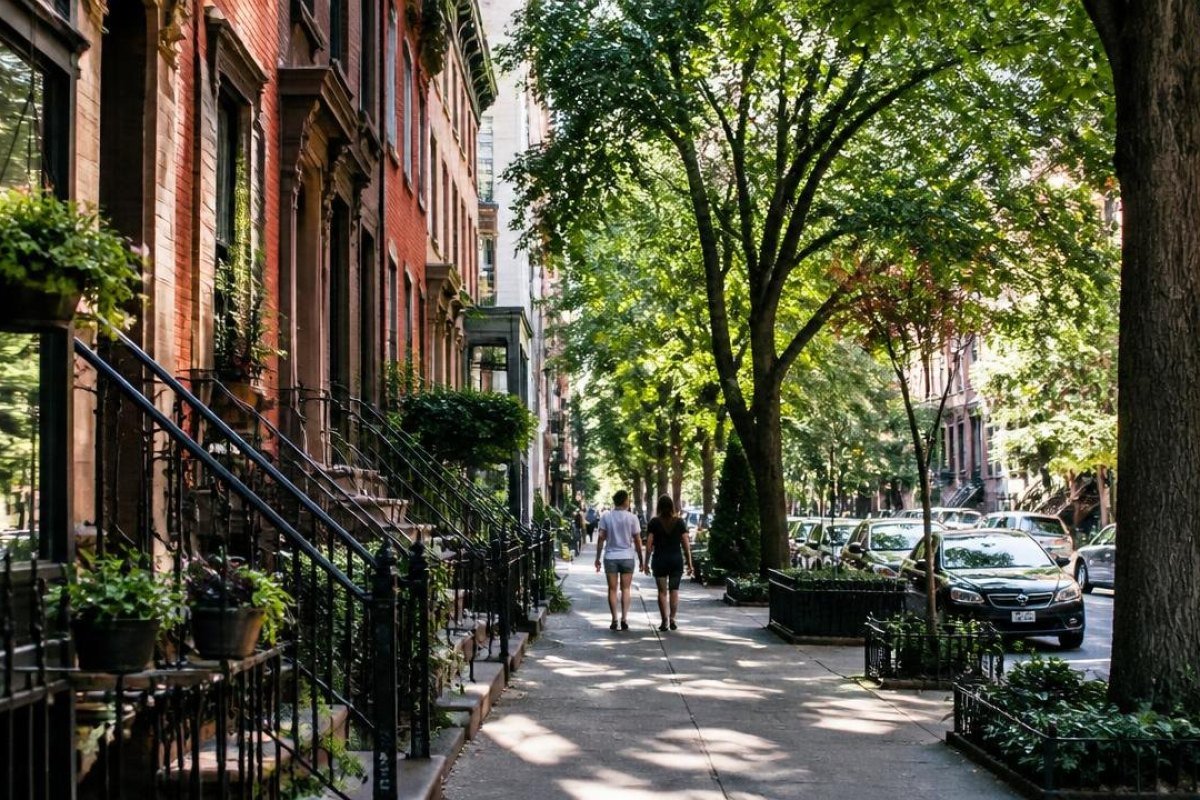
Greenwich Village is one of the best neighborhoods for travelers who want tree-lined blocks, historic townhouses, and an unmistakable downtown atmosphere. Its irregular streets feel very different from Manhattan’s numbered avenues, making the area ideal for an unhurried walk.
Start around Washington Square Park, where the arch, fountain, musicians, and surrounding buildings create one of the city’s most recognizable scenes. From there, wander along Bleecker Street and the quieter residential lanes toward West Village cafés, small shops, and intimate restaurants.

The neighborhood works particularly well in the late afternoon. You can combine a park visit with a relaxed meal, browse independent stores, and then continue toward nearby SoHo or the Hudson River. Comfortable shoes are essential because the most enjoyable discoveries are often found away from the main avenues.
SoHo and NoLita: Architecture, Shopping, and Cafés
SoHo is known for its cast-iron architecture, large loft-style buildings, and concentrated shopping streets. The neighborhood is easy to recognize, but its appeal is not limited to major retailers. Look upward at the façades, step into side streets, and notice how former industrial buildings have been adapted for modern use.
Nearby NoLita has a more intimate scale, with independent boutiques, stylish cafés, and restaurants arranged along narrower streets. Together, the two areas make a convenient half-day route, especially when paired with Chinatown or Little Italy.
Visit earlier in the day if you prefer quieter streets and more time for photographs. Weekends can become busy, particularly around the most popular shopping corridors. The area is also useful as a base for exploring Lower Manhattan on foot.
Chinatown and the Lower East Side: Food and Living History
Chinatown offers a dense, energetic introduction to New York’s immigrant history through traditional eateries, produce markets, bakeries, and busy commercial streets. It is a neighborhood to explore with curiosity rather than a rigid schedule, because the most memorable moments may come from a small shop or a side street.
Continue east toward the Lower East Side, where historic tenements stand alongside restaurants, bars, galleries, and contemporary boutiques. The Tenement Museum is an especially valuable stop for visitors interested in the experiences of immigrant families and the changing social history of the city; check its official schedule and tour availability before visiting.
Plan your food stops thoughtfully. Popular restaurants may have queues, while smaller businesses sometimes keep different hours by day of the week. A walking route that includes Canal Street, Orchard Street, and nearby historic blocks can easily fill several hours.
DUMBO and Brooklyn Heights: Waterfront Views and Historic Streets
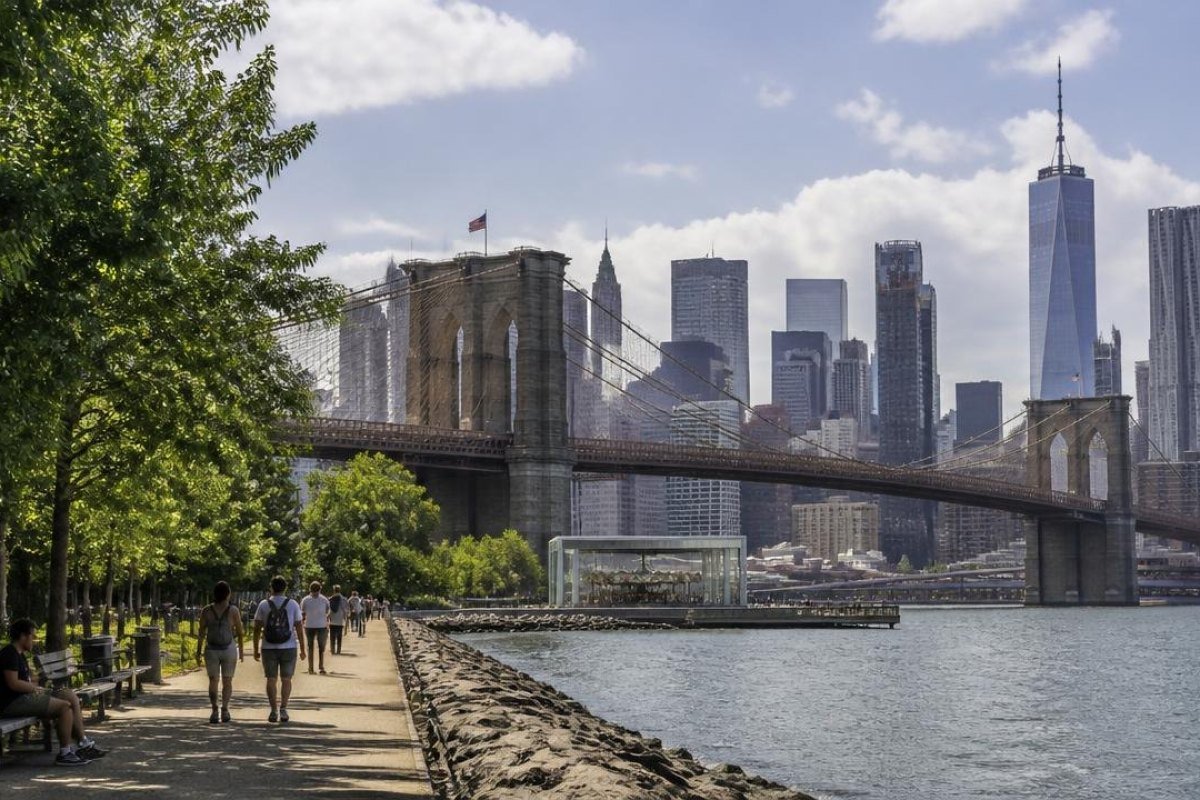
DUMBO is one of Brooklyn’s most photographed neighborhoods, thanks to its Manhattan Bridge views, cobbled streets, converted industrial buildings, and position beside the East River. The famous view between Washington and Water Streets is worth seeing, but the neighborhood is more rewarding when you continue beyond the photo stop.
Brooklyn Bridge Park stretches along the waterfront toward Brooklyn Heights and provides lawns, promenades, gardens, playgrounds, and wide views of Lower Manhattan. The park is free to enter, but individual facilities and seasonal activities may have separate arrangements or operating times.
For a fuller outing, walk through Brooklyn Heights after visiting the waterfront. Its quiet brownstone streets offer a calmer contrast to DUMBO’s busier commercial core. Public transportation, walking, biking, and ferry connections are generally more practical than driving because parking near the waterfront is limited.
Williamsburg: Creative Energy and East River Sunsets
Williamsburg combines independent design, creative venues, and a lively food scene with some of Brooklyn’s best urban views. The neighborhood has changed considerably over the years, yet it remains a popular choice for visitors who enjoy music, contemporary art, vintage shopping, and relaxed waterfront walks.
Explore Bedford Avenue and the surrounding side streets for cafés, shops, galleries, and restaurants. Then head toward Domino Park for a landscaped waterfront setting and views across the East River. The park’s industrial elements reflect the area’s manufacturing past while its public spaces show how former industrial land has been reimagined.
Williamsburg is particularly enjoyable from late afternoon into evening. Check event calendars in advance if you want live music or a cultural performance, since programming and venue schedules can change.
Chelsea and the Meatpacking District: Art, Markets, and the High Line
Chelsea is a strong choice for travelers interested in contemporary art galleries, food markets, and adaptive reuse. The gallery district around West 20th Street and the surrounding avenues can be explored independently, although individual galleries may have different opening days.
The High Line provides an elevated walk through gardens, public art, and changing city views. Access points and visitor guidance should be checked before your visit, particularly during busy periods or maintenance work. The route connects naturally with the Meatpacking District and Hudson Yards.
Chelsea Market is a convenient place for a meal or snack, while the nearby Hudson River waterfront offers room to slow down after a gallery visit. Combine the area with a walk through the Meatpacking District if you enjoy industrial architecture and modern urban design.
Harlem: Music, Architecture, and African American Heritage
Harlem offers a powerful mix of African American history, gospel traditions, architecture, restaurants, and cultural institutions. It is a neighborhood where a guided tour, museum visit, or carefully chosen performance can add valuable context to a first visit.
Walk along 125th Street to experience one of the area’s main commercial corridors, then explore the historic blocks around Strivers’ Row and Mount Morris Park. The Apollo Theater remains an important cultural landmark, but event schedules and access arrangements should be confirmed directly before planning an evening around it.
Sunday gospel services can be meaningful for visitors, but congregations have their own policies and expectations. Dress respectfully, arrive early, and check visitor guidance in advance rather than treating a service as a standard tourist attraction.
Upper West Side: Museums, Brownstones, and Central Park
The Upper West Side is ideal for travelers seeking residential Manhattan, cultural institutions, and easy access to Central Park. Its broad avenues, prewar apartment buildings, brownstones, and neighborhood restaurants create a more relaxed pace than Midtown.

The American Museum of Natural History is a major anchor on Central Park West. Allow several hours if you want to explore beyond the headline exhibits, and verify ticketing or timed-entry requirements before arrival. Lincoln Center, farther south, adds a strong performing-arts dimension to the area.
Central Park itself stretches from 59th Street to 110th Street between Fifth Avenue and Central Park West. A walk to the Lake, Bow Bridge, Bethesda Terrace, or the Ramble can turn a museum day into a varied outdoor itinerary. Park hours and facility conditions may change, so consult current park information.
Jackson Heights: One of Queens’ Most Diverse Food Neighborhoods
Jackson Heights is one of the best places to experience New York’s global character through South Asian cuisine, Latin American food, specialty markets, and multilingual streetscapes. The neighborhood is especially rewarding for visitors who plan their trip around eating rather than major monuments.
Explore the commercial corridors around 37th Avenue and Roosevelt Avenue, sampling dishes from different culinary traditions. Restaurants range from casual counter-service spots to family-run dining rooms, so a flexible appetite and willingness to share several small meals can make the experience more enjoyable.
The neighborhood is well connected by subway and bus, but it can feel busy and crowded at peak times. Keep personal belongings secure, remain aware of traffic when crossing, and allow extra time if you are navigating with luggage or a stroller.
Long Island City: Skyline Views Without Midtown Crowds
Long Island City is a useful Queens base for Manhattan skyline views, waterfront parks, museums, and modern residential architecture. Its riverfront is particularly attractive for visitors who want a photographic perspective across the East River without staying in Manhattan.
Gantry Plaza State Park is the neighborhood’s signature outdoor space, with piers, lawns, industrial gantries, and views toward the Empire State Building and Midtown. The park is best enjoyed around sunrise, late afternoon, or sunset, when the light changes the skyline dramatically.
MoMA PS1 adds a contemporary art focus, while the neighborhood’s restaurants and cafés make it easy to build a half-day itinerary. Check museum calendars and current park notices before traveling.
Park Slope and Prospect Heights: Brownstones and Brooklyn’s Green Side
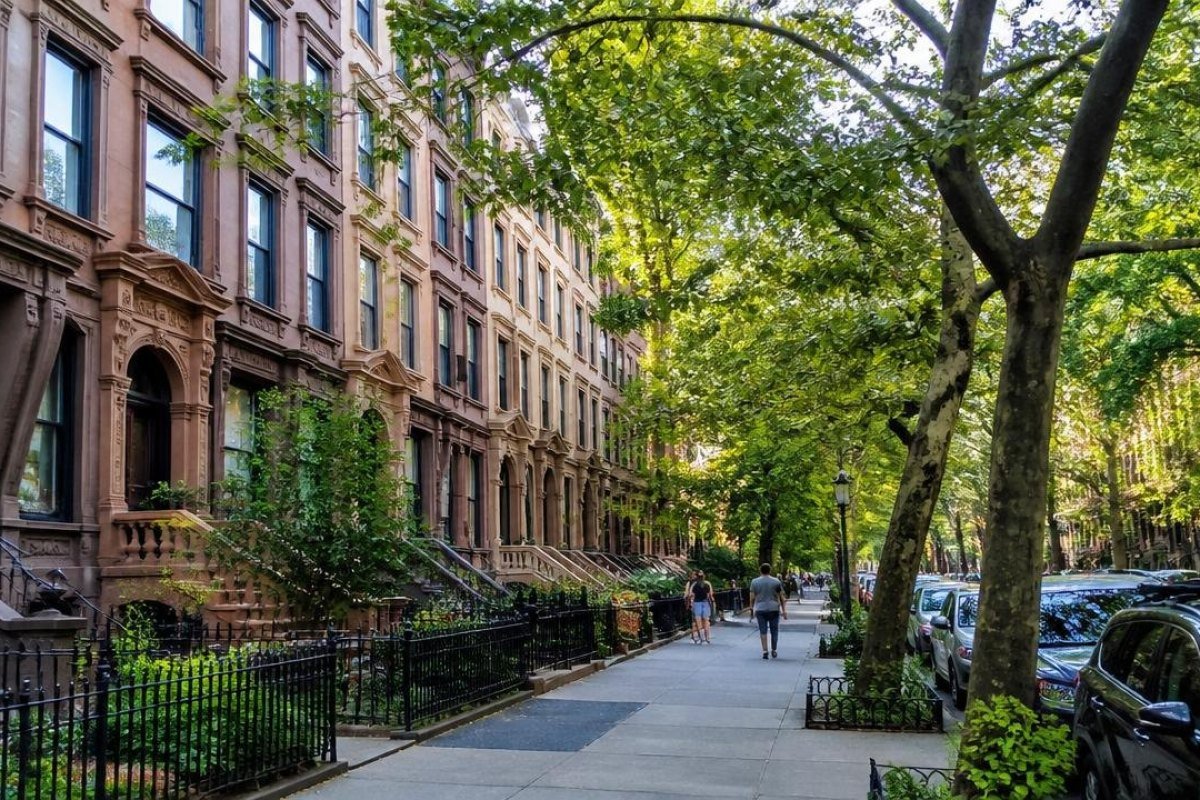
Park Slope and Prospect Heights appeal to visitors who want historic brownstones, independent shops, neighborhood cafés, and access to Prospect Park. The streets are more residential than central Manhattan, making them a good choice for travelers who enjoy observing everyday city life.
Prospect Park offers open lawns, wooded paths, recreational areas, and seasonal attractions. Nearby, the Brooklyn Museum and Brooklyn Botanic Garden create a strong cultural pairing, although schedules, exhibitions, and admission arrangements should be checked before visiting.
Begin near Grand Army Plaza, continue through the park, and finish around Vanderbilt Avenue or Fifth Avenue in Park Slope. This route works well for a slower day and gives you a different perspective on Brooklyn beyond its waterfront districts.
How to Choose the Right New York Neighborhood
For first-time visitors
Choose Greenwich Village, DUMBO, or the Upper West Side if you want a balance of recognizable sights, walkable streets, and classic New York atmosphere. These areas are easy to combine with major attractions without spending the entire day in transit.
For food-focused travelers
Prioritize Chinatown, Jackson Heights, and the Lower East Side. Each offers a different culinary identity, from regional Chinese specialties to South Asian and Latin American traditions. Research individual restaurants beforehand if you have dietary requirements or want a specific dining experience.
For art and design lovers
Build your itinerary around Chelsea galleries, SoHo architecture, and MoMA PS1 in Long Island City. Leave room for unexpected discoveries, since gallery schedules and cultural programming can change throughout the year.
For parks and outdoor views
Consider Brooklyn Bridge Park, Central Park, Prospect Park, and Gantry Plaza State Park. These locations offer different perspectives on the city, from waterfront skylines to wooded paths and expansive lawns.
Getting Around New York City’s Neighborhoods
The subway is usually the most efficient way to connect distant neighborhoods, while walking is often the best way to understand a district once you arrive. In 2026, the MTA’s OMNY contactless system is central to local subway and bus travel; fares, caps, and payment details can change, so check current MTA guidance before your trip.
Use a contactless bank card, compatible mobile device, or OMNY option consistently when possible, especially if you are traveling frequently. Keep a backup payment method available, and allow extra time for service changes, weekend work, large events, or crowded stations.
Ferries can be especially scenic for waterfront neighborhoods such as DUMBO, Williamsburg, and Long Island City, but routes and departure times are subject to change. Walking between nearby neighborhoods is often more rewarding than taking a short ride, particularly in Lower Manhattan, central Brooklyn, and the West Village.
Practical Tips for Exploring New York Neighborhoods
Wear comfortable walking shoes, carry a refillable water bottle, and plan fewer major stops than you think you can manage. New York distances may look short on a map, but traffic, crowds, waiting times, and frequent photo stops can slow down a day. A 3-day New York City itinerary can help organize those stops realistically.
Keep your itinerary flexible around meals and weather. Many neighborhoods are most enjoyable when you have time to pause at a café, browse a market, or change direction after noticing an interesting street. For parks and outdoor attractions, check current alerts and seasonal conditions.
Finally, remember that neighborhoods are lived-in communities, not open-air theme parks. Support local businesses, follow park rules, respect religious and cultural spaces, and avoid blocking sidewalks while taking photographs. That approach will make your visit more comfortable and more responsible.
A Simple Neighborhood Itinerary
For a first visit, begin with Greenwich Village and SoHo, then spend another day in Chinatown and the Lower East Side. Dedicate a morning and sunset to DUMBO and Brooklyn Bridge Park, and reserve additional time for either Harlem, Jackson Heights, or Long Island City depending on your interests.
Do not try to cover every borough in a single day. New York rewards depth: one neighborhood explored slowly can be more memorable than a rushed list of landmarks. Choose areas that match your interests, connect them logically by subway or ferry, and leave space for the city’s unexpected moments. This approach also suits travelers planning to spend a long weekend in New York City.


