New York City is far more than bright billboards, Broadway marquees, and the crowds of Times Square. Once you move a few blocks away, the city opens into a collection of distinct neighborhoods, peaceful parks, historic streets, creative districts, waterfront promenades, and food scenes shaped by communities from around the world.
This guide focuses on memorable experiences beyond Times Square, with ideas for first-time visitors, repeat travelers, families, culture lovers, and anyone who wants to experience New York at a more local pace.
Explore Central Park Beyond the Famous Photograph Spots
Central Park is one of the easiest ways to trade Midtown’s noise for open lawns, wooded paths, and iconic landscapes. Rather than rushing through the park, set aside several hours and explore an area that matches your interests.
Walk, Row, and Find Quiet Corners
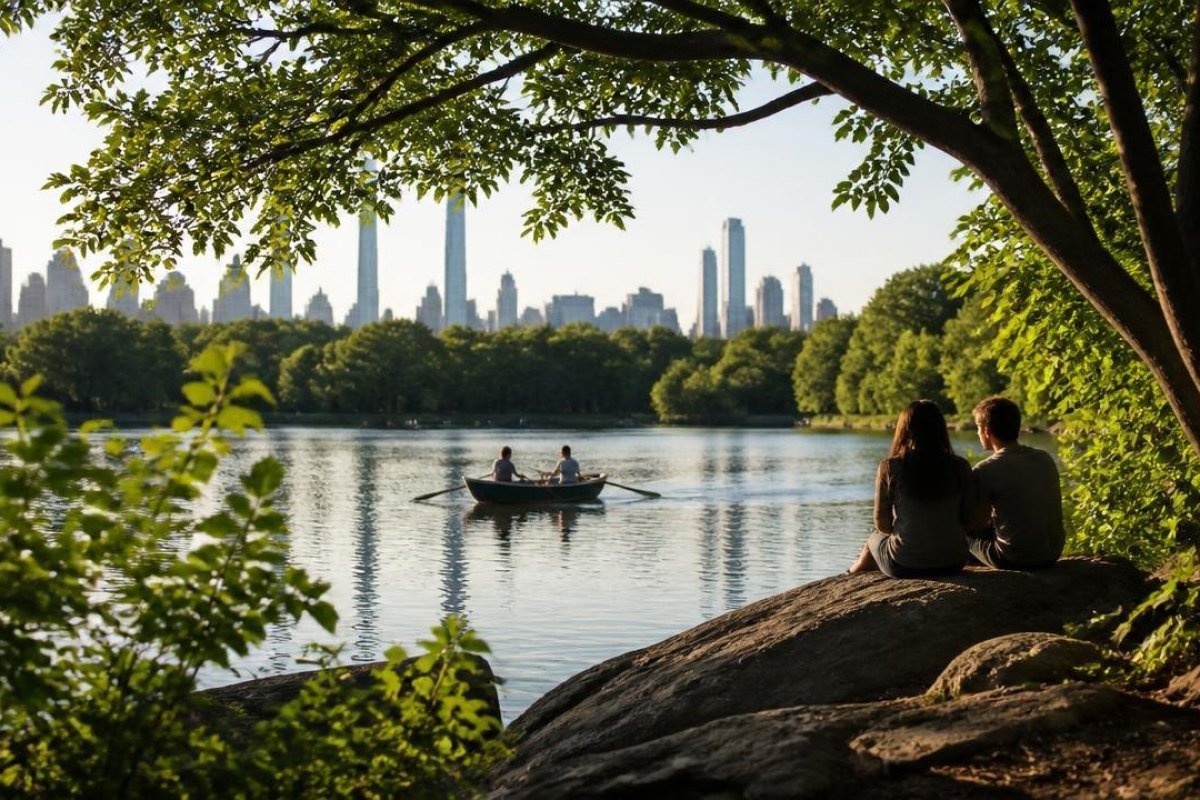
Begin near Bethesda Terrace and continue toward the Lake, where seasonal boat rentals offer a slower view of the park. The Mall provides a grand, tree-lined walk, while the Ramble feels more secluded and natural. Families may enjoy the zoo area and playgrounds, while visitors seeking views can look for Belvedere Castle and the surrounding elevated paths.

Central Park is large enough to reward an unplanned wander, but a map can help you avoid spending the entire day crossing from one end to the other. Check current information from the Central Park Conservancy before visiting for seasonal activities, facilities, and access updates.
Spend Time in New York’s Great Museums
New York’s cultural identity is built around more than Broadway. Its museums offer world-famous collections, architectural drama, and quiet moments of discovery, often within a short walk of one another.
Choose a Museum District That Fits Your Interests
The Metropolitan Museum of Art is ideal for travelers who want broad collections spanning ancient civilizations, European painting, decorative arts, fashion, and more. On the Upper West Side, the American Museum of Natural History combines scientific displays with family-friendly exhibits and a memorable planetarium experience.
For modern and contemporary art, consider the Museum of Modern Art in Midtown or the Guggenheim Museum on Fifth Avenue. The Museum of the City of New York offers a deeper look at the city’s changing neighborhoods and history, while The Met Cloisters in northern Manhattan provides an entirely different atmosphere, with medieval art and gardens overlooking the Hudson River.
Admission arrangements, timed entry policies, and special exhibitions can change. Review each museum’s official visitor information before planning a day around a particular gallery or event.
Discover Manhattan Neighborhoods with Distinct Personalities
The most rewarding New York experiences often come from simply spending time in a neighborhood. Look for independent shops, local restaurants, and street-level character rather than trying to see every landmark in one afternoon.
From Greenwich Village to the Lower East Side
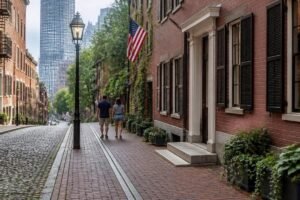
Greenwich Village is made for wandering, with leafy streets, historic townhouses, small performance venues, and cafés. Nearby SoHo is known for cast-iron architecture, galleries, design stores, and fashion shopping. In Chinatown, explore busy markets and regional Chinese restaurants, then continue toward Little Italy and the Lower East Side for bakeries, delis, bars, and immigrant-history landmarks. These New York City neighborhoods each offer a distinct way to experience the city.
Harlem offers another richly layered experience, from soul-food restaurants and jazz venues to cultural institutions and historic churches. Washington Heights and Inwood reveal a different side of Manhattan, including strong Dominican influences, river views, and access to The Met Cloisters.
Allow time to stop for coffee, browse a bookstore, or sit in a small public square. New York’s neighborhoods are not attractions to be checked off quickly; they are places best understood through everyday details.
Walk the High Line and Explore Hudson Yards
The High Line transforms a former elevated railway into an urban garden with city views, public art, and seasonal planting. It is one of the city’s best examples of how industrial infrastructure can become a lively public space.
Continue South Toward Chelsea and Little Island
Start at an access point near Hudson Yards or Chelsea and walk at an easy pace. Along the route, you will pass galleries, modern architecture, planted terraces, and changing art installations. Chelsea Market is a convenient place to pause for food, especially if you want to sample several styles of cooking under one roof.
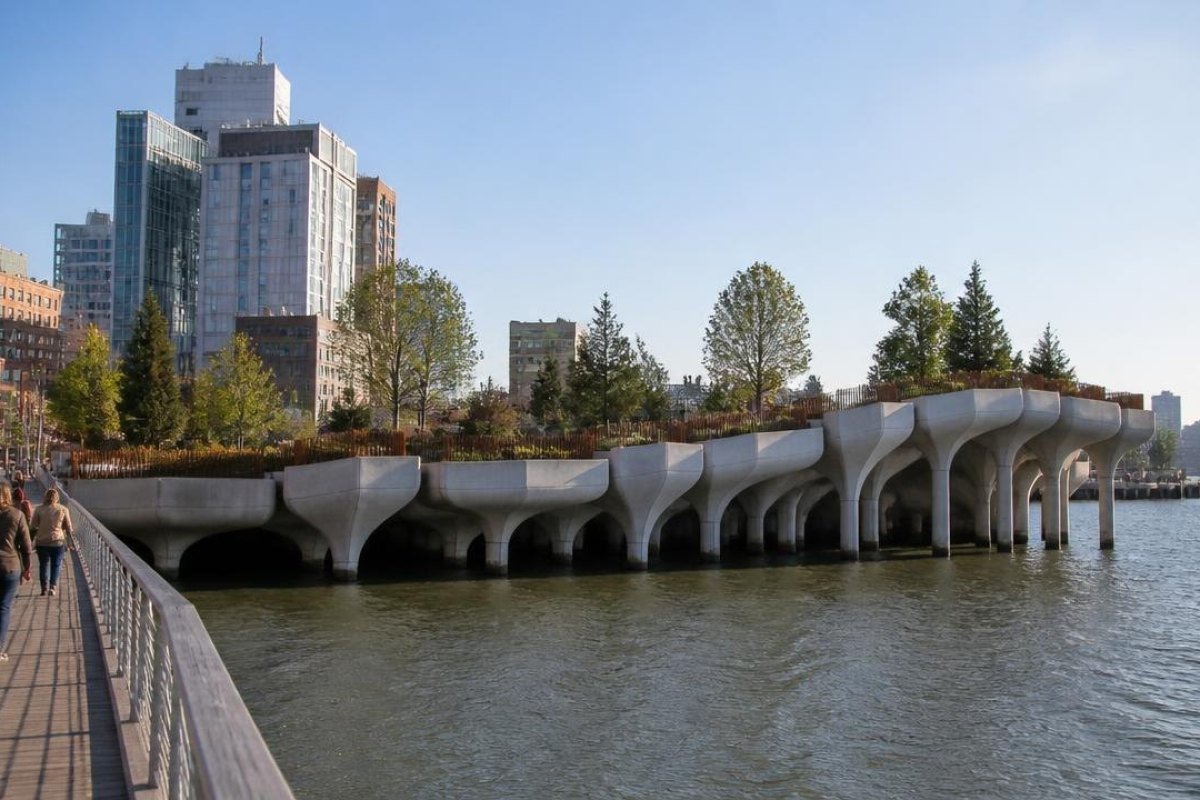
Near the southern end, continue toward Little Island and Hudson River Park. These waterfront spaces are especially enjoyable around sunset, although popular sections of the High Line can become busy during peak hours. Check the official High Line website for current access information and visitor guidance.
Cross the Brooklyn Bridge and Stay for Brooklyn
Walking across the Brooklyn Bridge is more rewarding when treated as the beginning of a Brooklyn day rather than a quick photo stop. The route offers harbor panoramas, bridge architecture, and skyline views toward Manhattan.
Explore DUMBO, Brooklyn Heights, and Brooklyn Bridge Park
After crossing from Manhattan, explore DUMBO’s cobbled streets and converted warehouses before heading toward Brooklyn Bridge Park. The waterfront provides excellent views of Lower Manhattan, landscaped paths, piers, lawns, and places to sit beside the East River.
Brooklyn Heights is quieter and more residential, with elegant brownstones and the Brooklyn Heights Promenade. If you have more time, continue toward Cobble Hill, Boerum Hill, Fort Greene, or Williamsburg for neighborhood restaurants, independent stores, music venues, and a less concentrated tourist atmosphere.
Go early for a calmer bridge walk, keep to the designated pedestrian areas, and be considerate of cyclists. The bridge is a working piece of city infrastructure as well as a sightseeing route.

Experience New York’s Food Culture Beyond Restaurant Districts
New York’s food scene is best understood through its communities. Seek out regional cooking, family-run businesses, and neighborhood specialties instead of limiting yourself to famous restaurant names.
Eat Across Chinatown, Queens, and Brooklyn
Chinatown is a natural starting point for dim sum, hand-pulled noodles, roast meats, bakeries, and regional dishes. In Queens, Jackson Heights and Flushing offer some of the city’s most varied dining, with South Asian, Tibetan, Himalayan, Chinese, Korean, Latin American, and other culinary traditions represented within a relatively compact area.
Brooklyn adds its own range of experiences, from Caribbean food in neighborhoods such as Crown Heights and Flatbush to modern restaurants, Jewish bakeries, Middle Eastern cafés, and destination-worthy pizza. Food halls can be useful for groups with different tastes, but small neighborhood restaurants often provide the more memorable introduction to local life.
Restaurant hours, reservation policies, and menus can change frequently. Check directly with the business, especially for holidays, special events, and popular weekend dining times.
Visit the Waterfronts and Islands
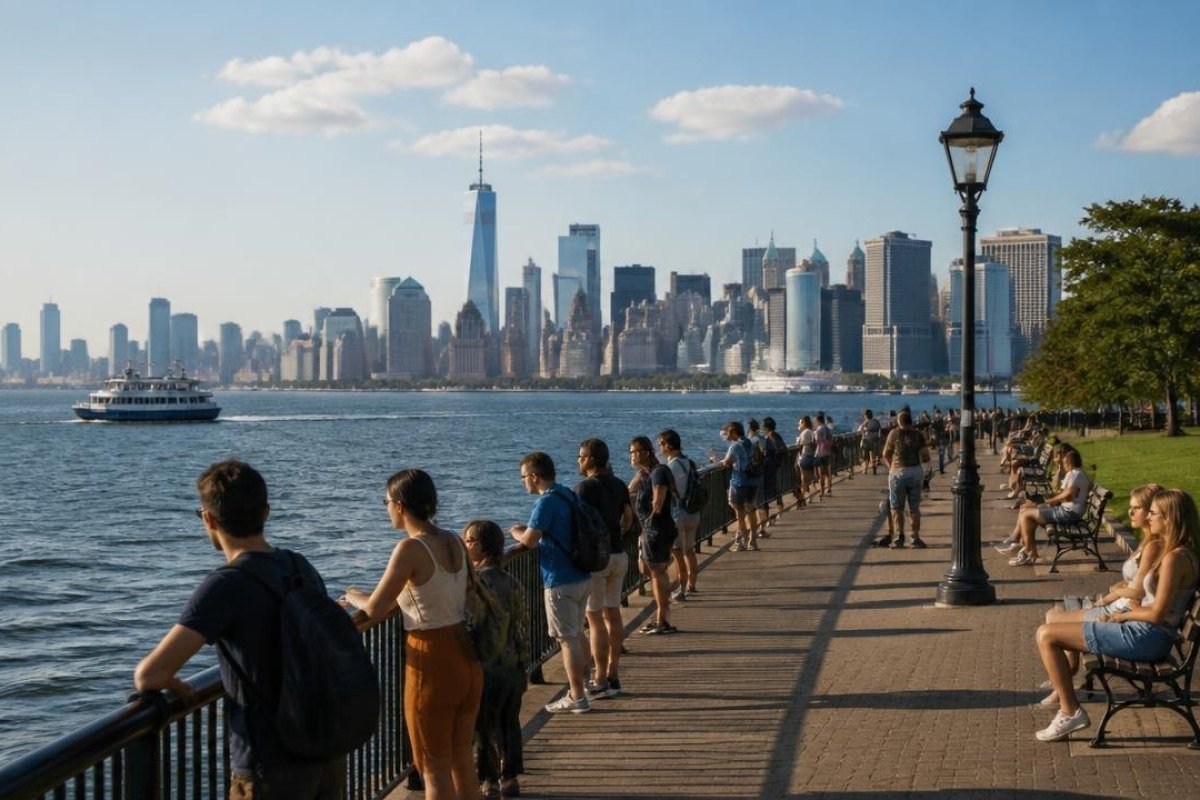
New York is surrounded by water, yet many visitors never leave the central avenues. A waterfront outing can reveal wide-open views, fresh air, and a slower rhythm that feels surprisingly distant from Midtown, while New York City day trips offer even more ways to escape the busiest streets.
Governors Island, Roosevelt Island, and the Rockaways
Governors Island is a seasonal destination for open space, historic buildings, public art, cycling, and views of Manhattan Harbor. Ferry service and programming vary, so confirm operating details before making it the centerpiece of your day.
Roosevelt Island offers a different perspective, with riverside walks, residential streets, and views toward Manhattan and Queens. The tram is a memorable way to arrive when operating normally, while subway and other public transportation options provide alternatives.
For a genuine beach escape, consider the Rockaways in Queens. The peninsula combines oceanfront scenery, boardwalk walks, surfing culture, and a relaxed atmosphere. Weather, beach facilities, ferry service, and seasonal programming can change, so check current information before traveling.
Find Music, Theater, and Local Culture Away from Broadway
New York’s performing-arts scene extends far beyond the Theatre District. Look for jazz clubs, independent theaters, and community arts venues in neighborhoods across Manhattan, Brooklyn, Queens, and the Bronx.
Plan an Evening Around a Neighborhood Venue
Harlem remains an important destination for jazz, gospel, theater, and Black cultural history. Downtown Manhattan and the Village are known for smaller clubs, comedy venues, and experimental performances. Brooklyn adds concert halls, converted warehouses, and intimate live-music rooms, while Queens offers globally influenced arts organizations and neighborhood festivals.
For a more traditional evening, Lincoln Center provides opera, ballet, classical music, and other performances in a landmark cultural complex. Tickets, schedules, and rush options vary by venue. Check the official calendar rather than relying on old listings or assumptions about nightly programming.
Use Public Transportation to See More of the City
The subway and buses make it practical to explore beyond Midtown, especially when combined with short walks. Before setting out, check current service changes, OMNY payment options, and late-night conditions through the Metropolitan Transportation Authority.
Use a contactless bank card, mobile wallet, or another accepted payment method where available, and keep your route flexible because weekend work and temporary disruptions are common. Ferries can add scenic value to a journey, but they are not always the fastest option.
Wear comfortable shoes, keep bags closed in crowded areas, and avoid blocking subway doors or stairways. For longer journeys, plan around transfer time rather than judging distance by the map alone.
Build a Better New York City Itinerary
The best itinerary balances one major attraction, one neighborhood experience, and time to wander. A three-day New York itinerary can help organize those priorities without requiring you to cross the entire city several times a day, which can make even an exciting trip feel exhausting.
Sample Plans Beyond Times Square
For a first day, combine Central Park with a museum on the Upper East or Upper West Side. A second day could pair the High Line, Chelsea Market, Little Island, and an evening in Greenwich Village. A Brooklyn day might include the Brooklyn Bridge, DUMBO, Brooklyn Bridge Park, and dinner in Brooklyn Heights or another nearby neighborhood.
If you have three or more days, add Queens for a food-focused outing, Harlem for music and history, or the Rockaways for a change of scenery. Keep at least a few hours unplanned: some of New York’s best memories come from a bookstore discovered by chance, a local bakery, or a quiet street that was never on the original itinerary.
Times Square may be New York’s most recognizable starting point, but the city’s deeper character lives in its parks, museums, waterfronts, restaurants, and neighborhoods. Venture beyond the bright screens, and New York becomes less a backdrop and more a city you can genuinely experience.
مل } краткий