How to Choose the Right New York City Neighborhood
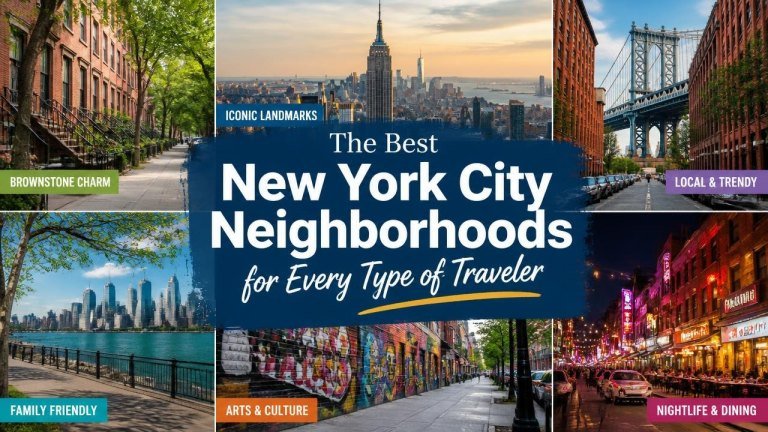
New York City is not one single travel experience. The right neighborhood can shape your entire trip, from how easily you reach major attractions to the kind of restaurants, parks, nightlife, and local atmosphere you enjoy. Before booking, consider your daily sightseeing plans, transport connections, and preferred evening atmosphere with this first-time guide to New York neighborhoods.
Manhattan is often convenient for first-time visitors, while Brooklyn, Queens, the Bronx, and Staten Island offer a broader view of the city. Public transportation connects the boroughs, but journey times can vary considerably, so it is wise to group activities by area rather than crossing the city repeatedly.
Best Neighborhoods for First-Time Visitors
Midtown Manhattan
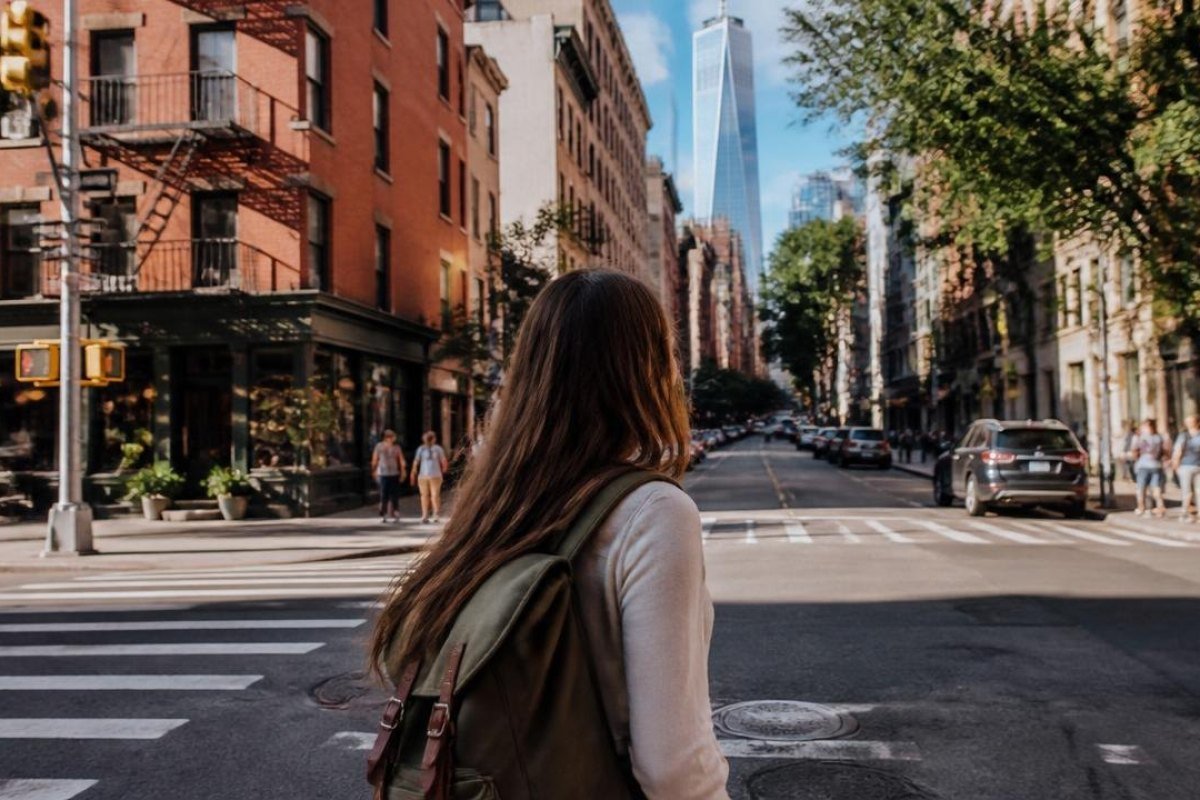
Midtown is a practical base for travelers who want to see many classic New York landmarks in a short visit. Times Square, Broadway theaters, Rockefeller Center, St. Patrick’s Cathedral, and major shopping streets are all within easy reach.
The neighborhood offers iconic attractions, central subway access, and Broadway convenience. It can feel busy and commercial, especially around Times Square, but its location is difficult to beat for a first trip focused on famous sights.

Upper West Side
The Upper West Side suits visitors who want a more residential Manhattan experience without giving up access to major attractions. Central Park, the American Museum of Natural History, Lincoln Center, and Riverside Park are among the area’s highlights, making it one of the New York neighborhoods to explore.
Expect tree-lined streets, cultural institutions, and family-friendly surroundings. The neighborhood is especially appealing for travelers who prefer relaxed evenings, classic apartment architecture, and easy access to parks.
Best Neighborhoods for Families
Upper West Side
For families, the Upper West Side combines green space, museums, playgrounds, casual restaurants, and dependable subway connections. Central Park provides room for outdoor breaks, while the American Museum of Natural History is a popular choice for children and adults.
Its main advantages are walkable family activities, nearby parks, and casual dining options. Families should still check attraction schedules and ticket requirements before visiting.
Park Slope and Prospect Heights
These Brooklyn neighborhoods are well suited to families who want a quieter base with access to major green spaces. Prospect Park, the Brooklyn Museum, Brooklyn Botanic Garden, and the Brooklyn Children’s Museum are all within the wider area.
The appeal comes from brownstone streets, Prospect Park access, and neighborhood restaurants. Travel times to Midtown are longer than from central Manhattan, but the calmer pace can be worthwhile for longer stays.
Best Neighborhoods for Nightlife
East Village
The East Village is a strong choice for travelers interested in bars, live music, late-night food, and an energetic downtown atmosphere. Its streets combine long-established local institutions with newer restaurants and cocktail spots.
Look for independent bars, live music venues, and late-night dining. The area is lively rather than polished, making it a better match for travelers who enjoy spontaneous evenings and a dense urban setting.
Williamsburg
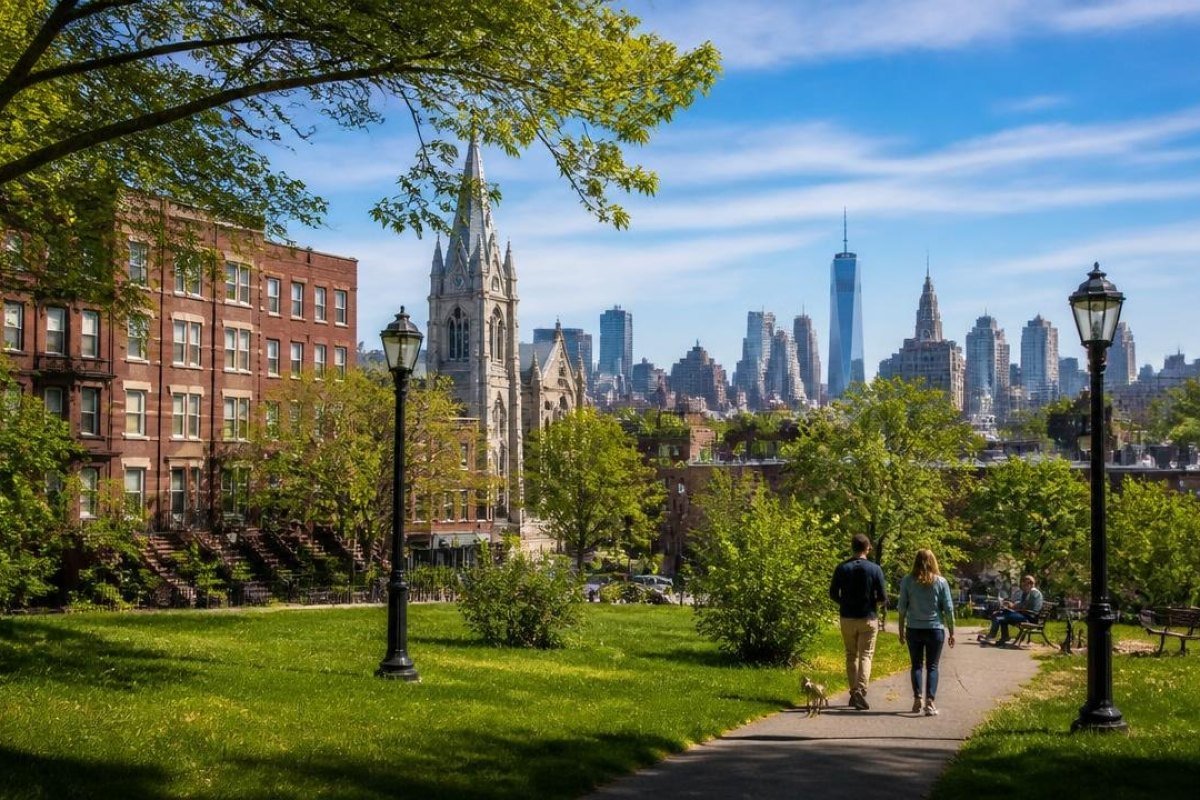
Williamsburg offers a broad nightlife mix, from rooftop views and music venues to breweries, restaurants, and waterfront walks. Its location along the East River also provides striking Manhattan skyline views.
The neighborhood is known for creative nightlife, waterfront views, and strong dining choices. It is particularly attractive to travelers who want to combine evening entertainment with a distinctly Brooklyn setting.
Best Neighborhoods for Food Lovers
Flushing, Queens
Flushing is one of the city’s most rewarding destinations for travelers who plan their days around food. The neighborhood is especially known for its Chinese, Korean, and other Asian dining scenes, along with busy markets and food halls.
Choose Flushing for regional Asian cuisine, specialty markets, and authentic local dining. It is farther from Manhattan’s central attractions, but the culinary experience can justify the journey.
Jackson Heights
Jackson Heights offers an exceptionally diverse food experience, with South Asian, Tibetan, Colombian, Mexican, and other international cuisines represented across the neighborhood. It is a good choice for visitors who want to explore beyond the city’s most familiar dining districts.
Its highlights include global street food, small family-run restaurants, and multicultural shopping. Allow time to explore rather than planning only one meal.
Best Neighborhoods for Art and Culture
Chelsea
Chelsea is one of Manhattan’s most convenient bases for contemporary art. The neighborhood’s galleries, the High Line, Hudson River waterfront, and nearby cultural attractions make it easy to build a full day around exhibitions and architecture.
Travelers will appreciate contemporary galleries, High Line walks, and Hudson River scenery. Gallery hours vary, so check individual venues before visiting and consider how to spend a long weekend by neighborhood.
Fort Greene and Downtown Brooklyn
Fort Greene and nearby Downtown Brooklyn combine performing arts, historic streets, museums, restaurants, and public parks. BAM is a major cultural anchor, while Fort Greene Park offers a quieter setting between visits.
The area stands out for performing arts, historic architecture, and Brooklyn cultural life. It works well for travelers who want a creative neighborhood with strong subway access.

Best Neighborhoods for Luxury and Upscale Stays
Upper East Side
The Upper East Side is ideal for travelers drawn to elegant hotels, refined dining, designer shopping, and world-class museums. Museum Mile and Central Park are central to the neighborhood’s appeal.
Expect museum access, luxury shopping, and quiet residential streets. It is a particularly good fit for visitors who prefer a polished atmosphere over nightlife and crowds.
Tribeca and SoHo
Tribeca and SoHo offer loft architecture, high-end boutiques, acclaimed restaurants, and a downtown Manhattan atmosphere. They are attractive for travelers who value design, shopping, and a more exclusive feel.
Their strengths include historic cast-iron buildings, designer boutiques, and destination restaurants. Accommodation can be expensive, so compare locations carefully before booking.
Best Neighborhoods for Budget-Conscious Travelers
Long Island City
Long Island City in Queens can provide a useful alternative to staying in central Manhattan, especially for travelers who want skyline views, modern accommodations, and quick subway access to Midtown.
Its main advantages are Manhattan proximity, waterfront parks, and modern hotel options. Always confirm the exact location of a hotel and its nearest subway connection, as the area is spread out.
Chinatown and the Lower East Side
Chinatown and the Lower East Side are lively downtown choices with extensive dining, independent shops, historic streets, and access to several subway lines. They can be appealing to travelers who want to stay close to downtown attractions.
Look for affordable food, central downtown access, and local street life. The atmosphere is busy and urban, so travelers seeking quiet should compare accommodation reviews carefully.
Best Neighborhoods for a Local and Relaxed Atmosphere
Brooklyn Heights
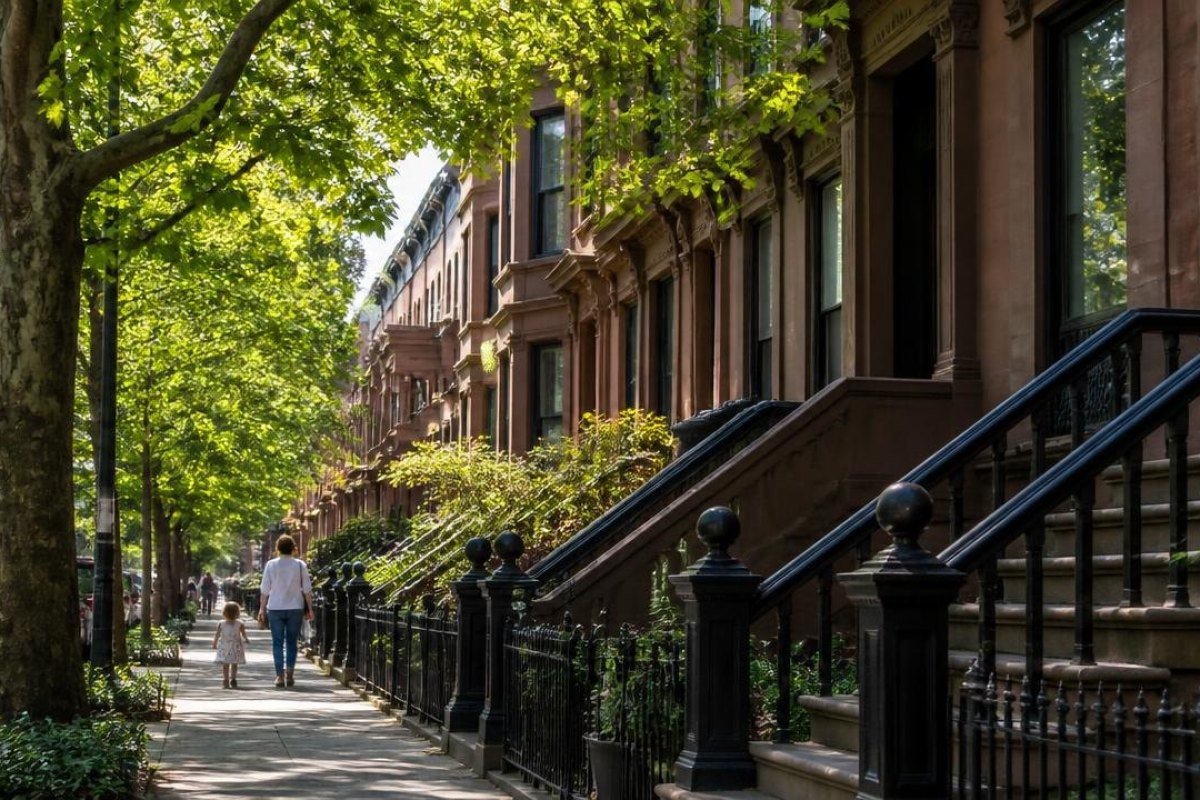
Brooklyn Heights is known for historic townhouses, calm residential streets, and waterfront views across the East River. The Brooklyn Heights Promenade and nearby Brooklyn Bridge Park make it especially appealing for scenic walks.
The neighborhood offers historic charm, skyline viewpoints, and peaceful evening walks. It is close to major Brooklyn attractions while feeling more relaxed than busier visitor hubs.
Astoria
Astoria is a diverse Queens neighborhood with strong Greek and Middle Eastern influences, independent restaurants, beer gardens, museums, and a distinctly residential character. It is a good option for repeat visitors who want a less tourist-focused base.
Its appeal lies in neighborhood dining, cultural diversity, and laid-back evenings. Check the route to your planned attractions before booking, since travel times to Lower Manhattan can be substantial.
Best Neighborhoods for Parks and Outdoor Space
Central Park and the Surrounding Upper West Side
Travelers who want regular access to open space should consider neighborhoods bordering Central Park. The park supports walking, sightseeing, picnics, and seasonal activities, while nearby museums and restaurants make it easy to plan a full day.
Prioritize park access, museum proximity, and walkable daily plans. Central Park is large, so choose accommodation near the sections and attractions you expect to visit most.
Rockaway Beach
Rockaway Beach offers a very different New York experience, with sand, ocean views, boardwalk walks, and a more coastal atmosphere. It is best for travelers who want to combine city sightseeing with beach time, particularly during the warmer months.
Plan around seasonal beach conditions, public transportation time, and weather-dependent activities. Swimming and beach facilities may be subject to seasonal rules and conditions, so check official updates before traveling.
Getting Around New York City Neighborhoods
The subway and local buses are usually the most practical ways to move between neighborhoods. OMNY contactless payment is widely used across the system, but visitors should check current fare policies and service alerts before setting out.
Use a journey-planning app, allow extra time for transfers, and remember that neighborhood names can cover large areas. For scenic travel, NYC Ferry and the Staten Island Ferry can add a memorable waterfront perspective, although routes and service details should be confirmed before departure.
Focus on planned daily routes, service updates, and comfortable walking shoes. Taxis and rideshare services can be useful when carrying luggage or traveling late, but traffic may make short distances surprisingly slow.
Quick Neighborhood Guide by Traveler Type
- First-time visitors: Midtown, Upper West Side, or Lower Manhattan.
- Families: Upper West Side, Park Slope, or Prospect Heights.
- Nightlife lovers: East Village or Williamsburg.
- Food travelers: Flushing, Jackson Heights, or Chinatown.
- Art and culture enthusiasts: Chelsea, Fort Greene, or Downtown Brooklyn.
- Luxury travelers: Upper East Side, Tribeca, or SoHo.
- Budget-conscious travelers: Long Island City, Chinatown, or the Lower East Side.
- Beach and outdoor travelers: Rockaway Beach or areas near Central Park.
Final Tips for Choosing Where to Stay
The best New York City neighborhood is the one that matches your priorities, not necessarily the one with the longest list of famous attractions. A convenient subway connection, a comfortable evening atmosphere, and restaurants you genuinely want to try can matter more than being beside a landmark.
Before booking, compare transport access, nighttime character, and walking distance to essentials. Confirm current hotel policies, attraction hours, transportation conditions, and seasonal details through official sources, then choose the neighborhood that makes your ideal New York days easiest to enjoy.