Colorectal cancer affects the colon or rectum and may develop gradually, sometimes without noticeable symptoms at first. Understanding the warning signs, risk factors, screening options, and prevention strategies can help you make informed decisions about your health.
What Is Colorectal Cancer?
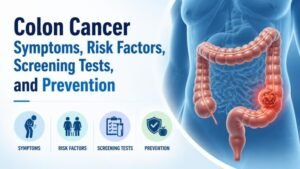
Colorectal cancer begins when abnormal cells grow in the lining of the colon or rectum. Many cases start as polyps, which are growths that can sometimes become cancerous over time. Finding and removing certain polyps during screening may help prevent cancer from developing.
Common Colorectal Cancer Symptoms
Early colorectal cancer may cause no symptoms, which is why recommended screening is important even when you feel well. When symptoms occur, they may include:
- A persistent change in bowel habits, such as diarrhea, constipation, or narrower stools
- Rectal bleeding or blood in the stool
- Abdominal pain, cramping, bloating, or discomfort that does not go away
- A feeling that the bowel does not empty completely
- Unexplained weight loss
- Ongoing fatigue or weakness, which may be related to anemia
These symptoms can have causes other than cancer, including hemorrhoids, infections, or digestive conditions. However, persistent or concerning changes should be discussed with a healthcare professional rather than self-diagnosed.
When to Seek Medical Advice
Arrange a medical evaluation for ongoing bleeding, a lasting change in bowel habits, unexplained weight loss, or worsening abdominal symptoms. Seek urgent care for severe pain, heavy bleeding, fainting, or signs of a serious intestinal blockage.
Colorectal Cancer Risk Factors
Risk is influenced by a combination of inherited traits, personal health history, age, and risk factors and lifestyle. Having a risk factor does not mean you will develop cancer, while people without obvious risk factors can still be affected.
- Increasing age, particularly as risk rises later in adulthood
- A personal or family history of colorectal cancer or certain polyps
- Inherited conditions such as familial adenomatous polyposis or Lynch syndrome
- Inflammatory bowel diseases, including Crohn’s disease and ulcerative colitis
- Smoking, heavy alcohol use, physical inactivity, or excess body weight
- A diet low in fiber and high in processed meats or large amounts of red meat
- Type 2 diabetes or other health conditions associated with increased risk
If you have a strong family history, inflammatory bowel disease, or a known inherited syndrome, ask a clinician whether you need earlier screening or a more personalized testing schedule.
Colorectal Cancer Screening
Screening can detect cancer earlier and may identify precancerous polyps before they become cancerous. The best test depends on your age, risk level, preferences, medical history, and access to care.

Common screening approaches include:
- Stool-based tests, which look for hidden blood or abnormal DNA in a stool sample
- Colonoscopy, which allows a clinician to examine the entire colon and remove many polyps during the procedure
- Other visual examinations, such as flexible sigmoidoscopy or specialized imaging tests
Screening recommendations vary by country and by individual risk. Follow guidance from a qualified healthcare professional, and remember that an abnormal stool test generally requires follow-up evaluation.
Preparing for a Screening Discussion
Before choosing a test, tell your clinician about your family history, previous polyps, bowel symptoms, medications, and any diagnosed digestive disease. Ask how often testing is needed, what preparation involves, and what follow-up would be required if the result is abnormal.
Ways to Help Prevent Colorectal Cancer
No prevention plan can eliminate risk, but several habits may support colorectal health and overall well-being:
- Eat a varied diet rich in fiber from vegetables, fruits, beans, and whole grains.
- Limit processed meats and avoid eating large amounts of red meat regularly.
- Stay physically active and work toward a healthy weight if advised by your healthcare team.
- Do not smoke, and keep alcohol intake low or avoid it.
- Manage conditions such as diabetes and inflammatory bowel disease with professional guidance.
- Complete recommended screening even if you have no symptoms.
Small, consistent changes are usually more sustainable than extreme diets or short-term programs. Your clinician or a registered dietitian can help create an approach focused on healthy lifestyle changes that fits your health needs.
Questions to Ask Your Healthcare Professional
A useful appointment can help clarify your personal risk and next steps. Consider asking:
- When should I begin colorectal cancer screening?
- Which screening test is most appropriate for me?
- Does my family history change my screening schedule?
- Do my symptoms require testing now?
- What lifestyle changes could best reduce my risk?
Key Takeaway
Colorectal cancer may be easier to treat when found early, and screening can sometimes prevent it by identifying and removing precancerous polyps. Pay attention to persistent symptoms, understand your personal risk, maintain healthy habits, and discuss an appropriate screening plan with a healthcare professional. Early evaluation, regular screening, and informed prevention all play an important role.