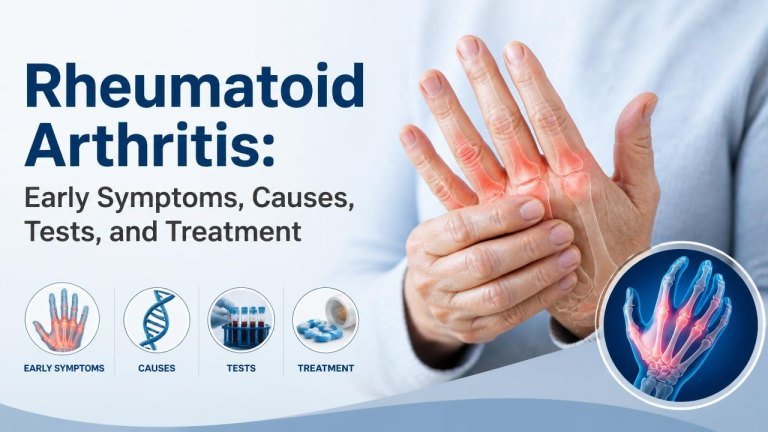
Rheumatoid arthritis is a long-term autoimmune condition that can cause joint inflammation, pain, stiffness, and swelling. It often develops gradually, but early assessment and treatment can make an important difference in protecting joint function and overall well-being.
What Is Rheumatoid Arthritis?
Rheumatoid arthritis occurs when the immune system mistakenly attacks the lining of the joints. This can lead to persistent inflammation, joint damage, and symptoms that affect more than one area of the body. Unlike ordinary wear-and-tear arthritis, rheumatoid arthritis is an autoimmune disease and may also affect organs such as the eyes, lungs, skin, or heart.
The condition commonly affects the hands, wrists, feet, knees, and ankles. Symptoms may appear on both sides of the body, although patterns vary from person to person. These patterns can also occur with osteoarthritis.
Early Symptoms of Rheumatoid Arthritis
Recognizing early signs can encourage timely medical evaluation. Common symptoms include morning stiffness, swollen joints, and ongoing fatigue.
- Joint stiffness that lasts for a prolonged period after waking or resting
- Tenderness, warmth, or swelling in several joints
- Pain that affects matching joints on both sides of the body
- Reduced grip strength or difficulty opening containers
- Low-grade fever, tiredness, or a general feeling of being unwell
- Loss of appetite or unintended weight changes
Early rheumatoid arthritis can resemble other conditions, including viral illnesses, osteoarthritis, or gout. Symptoms that persist, worsen, or interfere with normal activities should be discussed with a healthcare professional.
When Should You Seek Medical Advice?
Arrange an evaluation if joint swelling, pain, or stiffness continues for more than a short period, especially when several joints are involved. Progressive symptoms, repeated swelling, and difficulty moving deserve prompt attention because early treatment may help reduce inflammation and prevent lasting damage.
Seek urgent medical help for severe joint pain with a high fever, sudden weakness, chest symptoms, breathing difficulty, or a painful red eye.
Causes and Risk Factors
The precise cause of rheumatoid arthritis is not fully understood. It likely develops through a combination of genetic susceptibility, immune-system changes, and environmental triggers.
- A family history of rheumatoid arthritis or another autoimmune disease
- Smoking or exposure to tobacco smoke
- Certain infections or other immune-related triggers
- Hormonal and biological factors
- Obesity, which may contribute to inflammation and disease activity
Having a risk factor does not mean that someone will develop rheumatoid arthritis. Conversely, many people diagnosed with the condition have no clear family history or identifiable trigger.
How Rheumatoid Arthritis Is Diagnosed
There is no single test that confirms every case. Diagnosis usually combines a medical history, physical examination, blood tests, and imaging. Doctors look for patterns of joint involvement, inflammatory activity, and evidence of autoimmune disease.
Blood Tests
Blood tests may include rheumatoid factor and anti-cyclic citrullinated peptide antibodies. Doctors may also measure inflammatory markers such as C-reactive protein or the erythrocyte sedimentation rate. Positive antibodies can support a diagnosis, but they do not prove that rheumatoid arthritis is present. Some people with rheumatoid arthritis have negative blood tests.
Imaging Tests
X-rays, ultrasound, or magnetic resonance imaging may help identify joint inflammation, fluid buildup, and changes that are not visible during an examination. Imaging can also help distinguish rheumatoid arthritis from other joint conditions and establish a baseline for monitoring.

Rheumatoid Arthritis Treatment
Treatment aims to control inflammation, relieve symptoms, prevent joint damage, and support daily function. A care plan may include disease-modifying medicines, physical therapy, and lifestyle support.
Medicines
Disease-modifying antirheumatic drugs, often called DMARDs, can reduce disease activity and help protect joints. Some people may need targeted or biologic therapies when conventional treatment is not enough. Nonsteroidal anti-inflammatory drugs and corticosteroids may help manage pain and inflammation in selected situations, but they should be used according to medical advice.
Medication choices depend on disease severity, other health conditions, pregnancy considerations, infection risk, and previous treatment response. Regular monitoring may be needed to check effectiveness and potential side effects.
Physical and Occupational Therapy
Physical therapy can help preserve strength, flexibility, and joint movement. Occupational therapists can suggest ways to protect painful joints and adapt work or household tasks. Gentle exercise, range-of-motion activities, and energy conservation can support function without placing unnecessary strain on inflamed joints.
Daily Habits and Self-Care
Helpful habits may include maintaining a healthy weight, avoiding tobacco, getting adequate sleep, and balancing activity with rest. Low-impact activities such as walking, swimming, or cycling may be suitable for many people, although exercise should be adjusted during flares. A balanced eating pattern can support general health, but no specific diet reliably cures rheumatoid arthritis.
Living With Rheumatoid Arthritis
Rheumatoid arthritis can change over time, so ongoing follow-up is important. Tracking pain and stiffness, swelling patterns, and treatment effects can help you communicate clearly with your healthcare team.
Emotional health matters as well. Persistent pain and fatigue may affect mood, work, relationships, and sleep. Support from loved ones, counseling, patient organizations, or a healthcare professional can make long-term management easier.
Frequently Asked Questions
Is rheumatoid arthritis the same as osteoarthritis?
No. Osteoarthritis is mainly linked to the gradual breakdown of joint tissues, while rheumatoid arthritis involves an abnormal immune response and ongoing inflammation. Different causes, symptom patterns, and treatment approaches help distinguish the two conditions.
Can rheumatoid arthritis be cured?
There is currently no guaranteed cure, but treatment can often reduce inflammation, control symptoms, and protect joint function. Some people achieve low disease activity or remission with an individualized treatment plan.
Can rheumatoid arthritis affect other parts of the body?
Yes. In addition to joints, rheumatoid arthritis may affect the skin, eyes, lungs, blood vessels, or heart. New breathing problems, vision changes, or unusual chest symptoms should be reported promptly to a healthcare professional.
Key Takeaway
Persistent joint swelling, prolonged morning stiffness, and unexplained fatigue should not be ignored. Early medical assessment, accurate testing, and appropriate treatment can help manage inflammation, preserve mobility, and support a better quality of life. Always discuss symptoms and treatment decisions with a qualified healthcare professional.