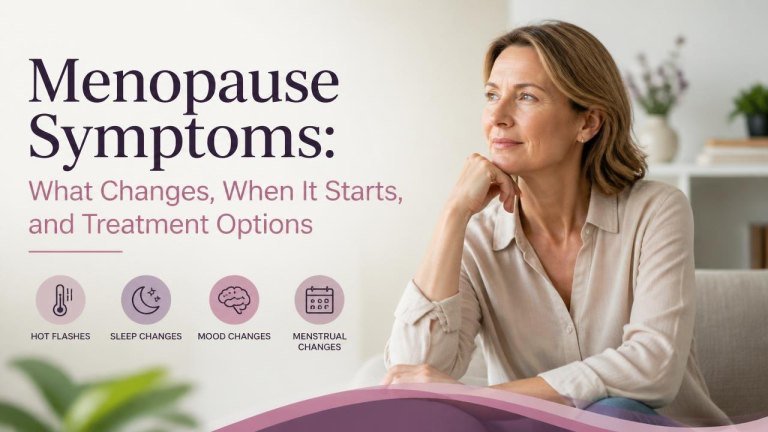
Menopause is a natural stage of life that marks the end of menstrual periods and the reproductive years. Although it is a normal transition, changing hormone levels can affect sleep, anxiety and mood changes, temperature regulation, sexual health, and overall well-being.
Understanding what to expect can make symptoms feel less confusing and help you decide when to seek medical advice. Menopause affects everyone differently, so care should be tailored to your symptoms, health history, and personal preferences.
What is menopause?
Menopause is reached after 12 consecutive months without a menstrual period when there is no other medical explanation. The transition leading up to it is called perimenopause, during which hormone levels fluctuate and periods may become irregular. After menopause, the body continues to produce hormones, but estrogen levels remain lower.
Menopause usually occurs naturally in midlife, but the timing varies. It can also happen earlier because of surgery, certain medical treatments, or conditions affecting the ovaries. A healthcare professional can help clarify the cause of symptoms or changes in menstrual patterns.

When does menopause start?
Perimenopause may begin several years before the final menstrual period. Early signs can include irregular cycles, changes in bleeding, and new symptoms such as hot flashes or sleep disruption. Menopause itself can only be confirmed retrospectively after a full year without a period.
The transition does not follow a fixed schedule. Some people have mild symptoms for a short time, while others experience more noticeable changes over several years. Symptoms may also continue after the final period, particularly during the early postmenopausal years.
Common menopause symptoms
Menopause symptoms are linked largely to changing estrogen levels. They may appear gradually or occur in clusters, and their intensity can change over time. Common experiences include:
- Hot flashes or sudden feelings of heat, sometimes followed by sweating or chills.
- Night sweats that interrupt sleep and contribute to daytime tiredness.
- Irregular, heavier, lighter, shorter, or longer periods during perimenopause.
- Sleep changes, including difficulty falling asleep or staying asleep.
- Mood changes, irritability, anxiety, or reduced emotional resilience.
- Vaginal dryness, discomfort during sex, or changes in sexual desire.
- Urinary urgency, recurrent urinary discomfort, or increased sensitivity in the genital area.
- Headaches, joint aches, palpitations, or changes in concentration and memory.
- Skin and hair changes, including dryness or altered hair texture.
Hot flashes and night sweats
Hot flashes can cause a sudden sensation of heat in the face, neck, or chest, followed by sweating and sometimes chills. Triggers may include warm rooms, alcohol, caffeine, stress, or spicy foods. Lightweight clothing, a cooler bedroom, and keeping a symptom diary may help identify patterns.
Frequent night sweats can affect sleep quality, concentration, and mood. If they are severe, new, or accompanied by unexplained weight loss, fever, or other concerning symptoms, discuss them with a healthcare professional rather than assuming they are caused by menopause.
Vaginal and urinary changes
Lower estrogen levels can make vaginal tissues thinner, drier, and less flexible. This may lead to dryness, burning, itching, or pain during sex. Urinary symptoms can include urgency, leakage, or repeated infections.
Water-based lubricants, vaginal moisturizers, pelvic floor exercises, and prescribed local treatments may provide relief. Persistent pain, bleeding after sex, unusual discharge, or urinary symptoms should be assessed to rule out other causes.
How is menopause diagnosed?
For many people over the typical age range, a clinician can identify perimenopause or menopause from symptoms and menstrual history. Age, cycle changes, medical history, and treatment history all help guide the assessment.

Routine hormone testing is not always necessary because hormone levels can fluctuate significantly during perimenopause. Testing may be considered when symptoms occur at an unusual age, periods stop unexpectedly, or another condition may be responsible. Seek medical advice for very heavy bleeding, bleeding between periods, bleeding after sex, or any bleeding after menopause.
Menopause treatment options
Treatment is not required for everyone, but support is available when symptoms interfere with daily life. The most suitable approach depends on symptom severity, personal preferences, medical history, and individual risks and benefits.
Lifestyle approaches
Practical changes can reduce symptoms and support long-term health. Consider regular physical activity, a balanced eating pattern, adequate sleep, and stress-management techniques such as breathing exercises or mindfulness.
- Keep the bedroom cool and use breathable bedding for night sweats.
- Track possible triggers, including caffeine, alcohol, spicy foods, and emotional stress.
- Include strength and weight-bearing exercise to support bone health.
- Stop smoking if you smoke, and seek support if quitting is difficult.
- Use lubricants or moisturizers for vaginal discomfort and discuss persistent symptoms with a clinician.
Menopausal hormone therapy
Menopausal hormone therapy can be effective for bothersome hot flashes, night sweats, and some vaginal symptoms. It may involve estrogen alone for people without a uterus or estrogen combined with a progestogen when the uterus is present, depending on individual circumstances.
Hormone therapy is not suitable for everyone. A clinician should review personal risks, medical history, symptoms, and treatment goals. The decision should be individualized, with regular follow-up to reassess benefits and possible risks.
Nonhormonal treatments
Nonhormonal prescription medicines may help reduce hot flashes for people who cannot or do not wish to use hormone therapy. Some medicines originally used for mood, nerve pain, or blood pressure may be considered, depending on the person and local medical guidance.
For vaginal symptoms, local nonhormonal products may help, and prescription options are available when needed. Ask a healthcare professional about possible side effects, interactions, and the expected time before improvement.
When to contact a healthcare professional
Make an appointment if symptoms are affecting daily activities, work, relationships, sleep, or emotional health. Professional guidance is especially important when symptoms begin unusually early or resemble another condition, such as thyroid disease, anemia, depression, or an infection.
Seek prompt medical care for very heavy bleeding, severe pain, chest pain, sudden shortness of breath, new neurological symptoms, or bleeding after menopause. Do not assume every new symptom is caused by hormonal change.
Living well through menopause
Menopause is a transition, not a single experience or a measure of health. Keeping track of symptoms, asking questions, and reviewing options with a trusted clinician can make care more effective. Small changes in sleep habits, movement, nutrition, and stress management may complement medical treatment.
Most importantly, you do not have to simply endure symptoms that are disrupting your life. With the right information and individualized support, menopause can be managed in a way that protects comfort, confidence, and long-term health.