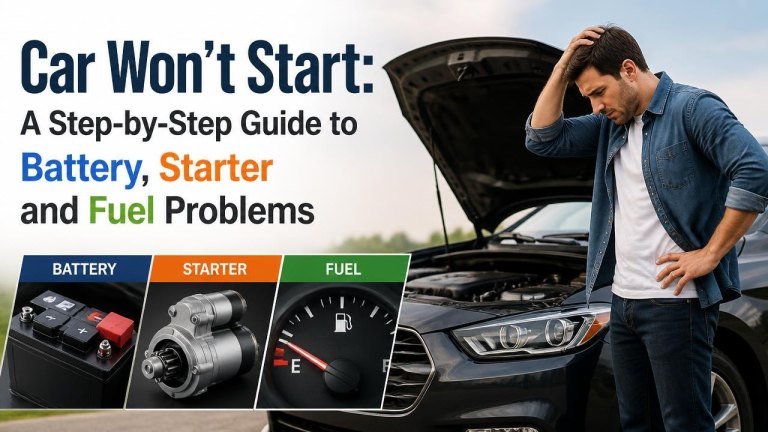
A car that will not start can leave you wondering whether the problem is a dead battery, a faulty starter or a lack of fuel. The sound your car makes—and what happens when you turn the key or press the start button—can provide useful clues for diagnosing a car that will not start.
Start With a Quick Safety Check
Before troubleshooting, park on a stable surface, switch on the hazard lights if necessary and make sure the transmission is in Park or Neutral. For a manual vehicle, press the clutch fully. Keep hands, clothing and tools away from moving parts, and never work near fuel vapors, sparks or an exposed battery without proper care.
Check that the car has enough fuel and that the key fob battery is not preventing the vehicle from recognizing the key. If the dashboard displays a security warning, consult the vehicle manual before repeatedly trying to start it.
Pay Attention to What Happens When You Start the Car
The most useful first clue is whether the engine cranks normally, cranks slowly or makes no sound at all. Also note whether you hear a single click, rapid clicking or the engine turning over without starting.
No Sound or No Electrical Power
If the interior lights, dashboard and accessories are completely dead, inspect the battery terminals, battery condition and main electrical connections. A loose or corroded connection can interrupt power even when the battery itself is serviceable.
Also check for a blown main fuse and confirm that the vehicle is firmly in Park or Neutral. A failed ignition switch, neutral-safety switch or immobilizer system can prevent the starter from operating.
Rapid Clicking or a Slow Crank
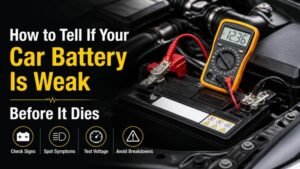
Rapid clicking commonly points to low battery voltage or poor contact at the terminals. Dim headlights and a slow, labored crank support this diagnosis. Clean and tighten the connections if they are dirty or loose, following the vehicle manufacturer’s instructions.
If you have suitable equipment and know how to use it safely, try a jump-start. Connect the cables in the correct order and avoid touching the clamps together. If the car starts but soon fails again, the battery may be weak or the charging system may not be replenishing it.
One Click or a Strong Click
A single loud click with a fully powered dashboard can indicate a problem with the starter motor, starter solenoid or the cable supplying it. A weak battery can produce similar symptoms, so battery condition and cable connections should be checked first.
Do not repeatedly hit the starter or bypass safety circuits. If the battery tests properly and the connections are sound, professional testing is usually the safest next step.
The Engine Cranks but Does Not Start
When the engine turns at a normal speed but will not run, the likely issue is related to fuel delivery, ignition, air supply or engine control. Listen for a brief fuel-pump sound when the ignition is switched on, if your vehicle normally makes one.

Check the fuel level, relevant fuses and warning lights. A failed fuel pump, blocked filter, faulty crankshaft sensor or ignition problem may require diagnostic equipment. Avoid spraying flammable starting fluid into the intake unless the vehicle’s service instructions specifically allow it and you understand the risks.
How to Check the Battery and Connections
Inspect the battery for visible damage, swelling or leakage. Look for loose terminals, white or green corrosion and damaged cables. Do not touch leaking battery material, and use eye protection when working around a battery.
A voltage test can help, but a battery may show acceptable voltage and still fail under load. A proper load test and inspection of the alternator can distinguish a weak battery from a charging fault. If the battery repeatedly goes flat, investigate parasitic electrical drains rather than replacing the battery without finding the cause.
When the Starter May Be the Problem
The starter is more likely to be involved when the battery has adequate power, the lights remain bright and the engine does not turn over. Faults may affect the starter motor, solenoid, wiring or control relay.
Warning signs can include intermittent starting, a grinding noise or a click without engine rotation. Grinding should be addressed promptly because it may involve the starter gear or the engine’s flywheel. Have the starting circuit tested instead of continuing to crank the engine repeatedly.
When Fuel or Ignition Is the Problem
If the engine cranks normally, check simple causes first: fuel level, fuel-pump fuse and any relevant dashboard warnings. Do not assume the gauge is accurate if the vehicle has recently been parked on a steep slope or the gauge has behaved unusually.
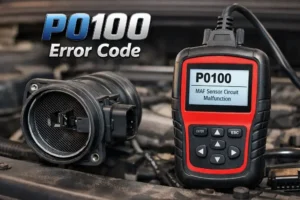
Ignition-related faults may involve spark plugs, ignition coils, wiring or engine sensors. Modern vehicles often store diagnostic trouble codes, but a code is a starting point rather than proof that a particular part needs replacement. A technician can confirm whether the problem is spark, fuel pressure, timing or sensor input.
What Not to Do
Avoid repeated long cranking, which can overheat the starter and drain the battery. Do not disconnect the battery while the engine is running, and never bypass the immobilizer or safety switches with improvised wiring.
Do not work beneath a vehicle supported only by a jack. If you smell strong fuel, see smoke, notice damaged wiring or suspect a fire risk, stop troubleshooting and move away from the vehicle. Safety comes first when the cause is unclear.
When to Call for Professional Help
Arrange roadside assistance or professional diagnosis when a jump-start does not help, the engine makes unusual mechanical noises or the vehicle repeatedly loses electrical power. Expert help is also appropriate when the car will not recognize the key, a warning light remains on or fuel-system work is required.
Tell the technician exactly what happened: whether the engine cranked, what sounds you heard, how bright the lights were and whether the issue was intermittent. Those details can shorten diagnosis and help avoid unnecessary parts replacement.
Final Checklist
- Confirm the vehicle has fuel and is in the correct gear.
- Check dashboard power, headlights and interior lights.
- Inspect battery terminals and cables for corrosion or looseness.
- Identify whether the engine cranks, clicks or stays silent.
- Try a safe jump-start only when appropriate.
- Seek professional testing if the battery, starter or fuel system remains uncertain.