The tire pressure monitoring system (TPMS) warning light is designed to alert you when one or more tires may not have the correct air pressure. Sometimes the fix is as simple as adding air. In other cases, the warning may point to a faulty sensor, a damaged valve, or a system that needs to be reset.
What the TPMS Light Means
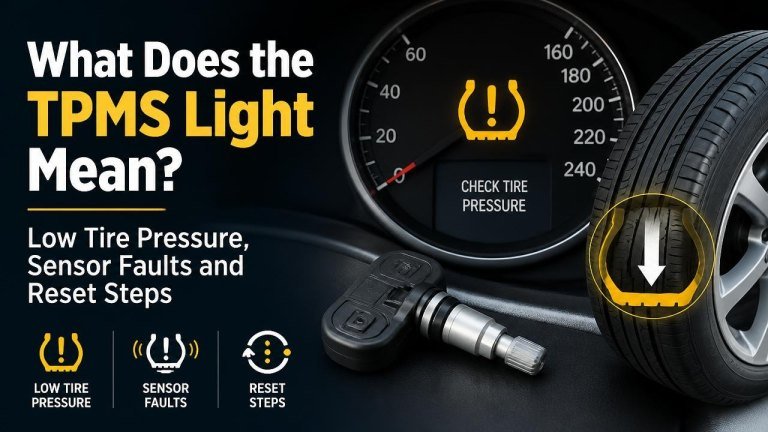
The TPMS light usually looks like a tire cross-section with an exclamation mark inside. A steady warning light commonly indicates low tire pressure, while a light that flashes first and then stays on may suggest a sensor fault or another system problem. The exact warning pattern varies by vehicle, so check the owner’s manual when possible.
Steady TPMS Light: Check Tire Pressure First
A steady light is most often caused by one or more tires being below the recommended pressure. Temperature changes, a slow puncture, a leaking valve, or normal air loss can all trigger the warning. Use a reliable gauge to check every tire, including the spare if your vehicle monitors it.
Compare the readings with the vehicle manufacturer’s recommended pressures shown on the driver’s door-jamb label or in the owner’s manual. Do not use the maximum pressure printed on the tire sidewall as the target. Look for uneven pressure, visible damage, or signs of a slow leak before driving far.

How to Check and Inflate the Tires
Check the tires when they are cold, meaning the vehicle has been parked for several hours or driven only a short distance. Remove the valve cap, press the gauge firmly onto the valve, and record each reading. Add air in small amounts until the pressure matches the recommended value.
After inflating the tires, inspect the tread and sidewalls. A bulge, cut, exposed cord, or embedded object requires professional attention. If a tire repeatedly loses air, adding pressure is only a temporary measure; the underlying puncture or change a flat tire must be repaired.
Flashing TPMS Light: Possible Sensor or System Fault
If the TPMS light flashes for a period after starting the vehicle and then remains illuminated, the system may have detected a sensor malfunction. Possible causes include a depleted sensor battery, damaged sensor hardware, wiring trouble, a missing sensor, or a communication issue between the sensors and the vehicle.
A fault warning does not always mean the tires are correctly inflated. Check the pressure manually even when the light pattern suggests a TPMS fault. If the warning continues after the tires are set correctly, have the system scanned by a qualified technician.
Why the TPMS Light Comes On in Cold Weather
Cold air can reduce tire pressure enough to trigger the warning, even when there is no puncture. As temperatures change, the air inside the tire expands or contracts. A seasonal pressure change can therefore reveal a tire that was already close to the minimum recommended pressure.
Check all four tires, adjust them to the specified pressure, and monitor them over the next few days. If one tire drops again, investigate a slow air leak. Do not ignore repeated warnings simply because the light appeared after a cold night.
How to Reset the TPMS Light
Resetting the TPMS system should come after correcting the tire pressures and checking for damage. Some vehicles relearn the tire positions automatically after driving. Others require a manual reset through the instrument display, a dedicated button, or a TPMS scan tool.
For the correct procedure, follow the instructions in the owner’s manual. Common steps may include setting all tires to the recommended pressure, switching the ignition on without starting the engine, selecting a tire-pressure menu, and confirming a relearn procedure. The required method differs by make, model, and sensor design.
When a Reset Does Not Work
If the light stays on after a reset, verify the pressure again with a trusted gauge. A damaged sensor, incorrect sensor position, incompatible replacement part, or unresolved leak may prevent the system from clearing the warning.
A professional diagnostic scan can identify which sensor is not communicating. Avoid repeatedly resetting the warning without finding the cause, because this may hide an unsafe pressure condition or delay a necessary repair.
Can You Drive With the TPMS Light On?
Drive cautiously only long enough to check the tires and reach a safe place or repair facility. A tire with very low pressure can handle poorly, run hotter, and suffer internal damage. The risk is greater when carrying a heavy load or traveling at higher speeds.
Stop driving if a tire looks visibly flat, the vehicle pulls to one side, steering feels unusual, or you hear repeated thumping. The warning light is an important safety alert, but it does not replace a visual inspection and manual pressure check.
TPMS Maintenance Tips
Check tire pressure regularly and before long trips, using the manufacturer’s recommended specification. Inspect the tread and sidewalls, replace damaged valve caps, and have the system checked whenever tires or wheels are replaced.
- Keep a working tire-pressure gauge in the vehicle.
- Check pressure after major temperature changes.
- Tell a tire shop that the vehicle uses TPMS before removing a tire.
- Confirm that replacement sensors are programmed or relearned correctly.
- Repair recurring pressure loss instead of repeatedly adding air.
When to Contact a Professional
Seek professional help when the light flashes, returns soon after inflation, or remains on after the recommended reset procedure. A technician can test the sensor batteries, inspect the valves, locate leaks, and confirm that each sensor is communicating with the vehicle.
Prompt attention is especially important when the vehicle has handling problems, a visibly damaged tire, or a warning that appears together with other dashboard alerts. Correct tire pressure and a functioning monitoring system support safer, more predictable driving.