Hypothyroidism occurs when the thyroid gland does not produce enough thyroid hormones for the body’s needs. Because these hormones influence energy use, heart rate, and many other functions, an underactive thyroid can affect several parts of daily life.
Symptoms may develop gradually and can resemble those of other health conditions. Understanding the warning signs, causes, diagnostic tests, and treatment options can help you have a more productive conversation with a healthcare professional.
What Is Hypothyroidism?
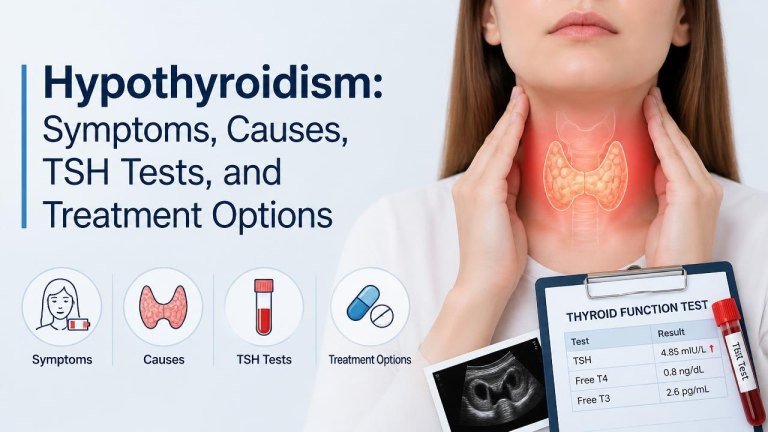
Hypothyroidism is a condition in which the thyroid produces too little thyroxine (T4) and related thyroid hormones. The thyroid is a small, butterfly-shaped gland in the front of the neck. Its hormones help regulate metabolism, body temperature, and how quickly many organs work.
The pituitary gland helps control thyroid activity by releasing thyroid-stimulating hormone, commonly called TSH. When thyroid hormone levels fall, the pituitary usually releases more TSH to encourage the thyroid to work harder.
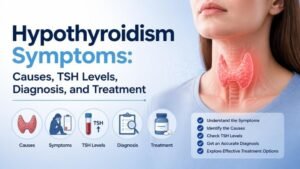
Common Symptoms of Hypothyroidism
Hypothyroidism symptoms can vary in severity and may appear slowly. Common symptoms include:
- Persistent tiredness or low energy
- Feeling unusually sensitive to cold
- Unexplained weight gain or difficulty losing weight
- Dry skin, brittle nails, or thinning hair
- Constipation
- Muscle aches, cramps, or joint stiffness
- Slower heart rate
- Low mood, difficulty concentrating, or memory problems
- Heavy or irregular menstrual periods
- Facial puffiness or swelling around the eyes
Having one or more of these symptoms does not confirm hypothyroidism. Similar complaints may occur with iron deficiency anemia, sleep problems, medication effects, nutritional deficiencies, or other medical conditions. Testing is often needed to identify the cause.
Symptoms in Children and Teenagers
In younger people, hypothyroidism may affect growth, school performance, and normal development. Children and teenagers may also experience fatigue, constipation, dry skin, delayed puberty, or slowed growth. A healthcare professional should assess persistent or concerning changes.
What Causes Hypothyroidism?
Several conditions and factors can reduce thyroid hormone production. The most common causes include:
Hashimoto’s Thyroiditis
Hashimoto’s thyroiditis is an autoimmune disorder in which the immune system mistakenly attacks thyroid tissue. Over time, this can reduce the gland’s ability to make hormones. It is a frequent cause of long-term hypothyroidism.
Thyroid Surgery or Radioactive Iodine
People who have part or all of their thyroid removed may produce fewer hormones afterward. Treatment with radioactive iodine for certain thyroid conditions can also reduce thyroid function. In these situations, long-term monitoring and hormone replacement may be needed.
Medications and Other Medical Conditions
Some medicines can affect thyroid function or interfere with hormone production. Hypothyroidism may also result from problems involving the pituitary gland or from inadequate or excessive iodine intake in particular circumstances. Tell your healthcare professional about all medicines, supplements, and relevant medical history.
How TSH Tests Diagnose Hypothyroidism
A blood test for TSH is commonly the first test used to evaluate suspected hypothyroidism. A higher-than-expected TSH level may indicate that the pituitary gland is signaling the thyroid to produce more hormone.
Healthcare professionals often interpret TSH alongside a free T4 test. Free T4 measures the amount of available thyroxine in the blood. The combination of TSH results, free T4, symptoms, examination findings, and medical history provides a clearer picture than any result alone.
What TSH Results May Mean
Reference ranges can vary between laboratories, and results may be influenced by pregnancy, illness, medications, and other factors. In general, a high TSH with a low free T4 is consistent with primary hypothyroidism. A mildly elevated TSH with a normal free T4 may be described as subclinical hypothyroidism.
A low or normal TSH with a low free T4 can suggest a problem involving the pituitary gland, known as central hypothyroidism. Test results should always be interpreted by a qualified healthcare professional rather than viewed in isolation.

Additional Thyroid Tests
When the cause is uncertain, a clinician may order thyroid antibody tests, particularly when Hashimoto’s thyroiditis is suspected. Other tests or imaging may be considered when there is a thyroid nodule, enlargement, or concern about another condition.
Hypothyroidism Treatment Options
The standard treatment for many people with hypothyroidism is a daily dose of levothyroxine, a synthetic form of the thyroid hormone T4. The medication replaces the hormone the body is not making adequately.
The appropriate dose depends on factors such as age, weight, pregnancy, heart health, other medicines, and the severity or cause of the condition. Treatment is individualized, and the dose may need adjustment after follow-up blood tests.
Taking Levothyroxine Correctly
Levothyroxine is often taken consistently on an empty stomach with water, according to the prescribing instructions. Calcium supplements, iron supplements, some antacids, and certain foods can affect absorption when taken too close to the medication. Ask a pharmacist or clinician how to separate these products safely.
Try to take the medicine at the same time each day and avoid changing brands or formulations without discussing it with your healthcare professional. Tell your clinician if you miss doses or notice new symptoms.
Monitoring and Follow-Up
After starting or changing treatment, follow-up blood tests help determine whether the dose is appropriate. Once levels are stable, testing may be needed periodically or whenever symptoms, medications, pregnancy, or major health changes affect thyroid needs.
Too little treatment can leave hypothyroidism symptoms unresolved, while too much thyroid hormone may cause problems such as palpitations, anxiety, shakiness, or sleep difficulties. Do not adjust the dose on your own.
Diet, Supplements, and Lifestyle
A balanced diet supports general health, but no specific food plan can replace prescribed thyroid hormone when medication is needed. Adequate nutrition is important, while high-dose iodine or “thyroid support” supplements may be harmful or interfere with care.
Discuss supplements containing iodine, kelp, biotin, or herbal ingredients with a healthcare professional. Biotin, in particular, can interfere with some laboratory tests, so ask whether it should be stopped before testing.
When to Seek Medical Advice
Arrange a medical assessment if you have persistent fatigue, unexplained weight changes, cold intolerance, constipation, hair changes, or menstrual irregularities. People with a family history of thyroid disease or an autoimmune condition may also benefit from discussing symptoms and testing with a clinician.
Seek urgent care for severe confusion, extreme drowsiness, difficulty breathing, chest pain, or a very slow heartbeat. Severe untreated hypothyroidism is uncommon but can become a medical emergency.
Living Well With Hypothyroidism
With appropriate diagnosis and treatment, many people manage hypothyroidism effectively. Taking medication consistently, attending follow-up appointments, and reporting changes in symptoms can support stable thyroid levels.
Keep a current list of medications, supplements, and test results, especially when seeing a new healthcare professional. If symptoms continue despite treatment, ask whether the diagnosis, dose, absorption, or another health condition should be reviewed.
This article is for general information and does not replace personalized medical advice, diagnosis, or treatment from a qualified healthcare professional.