A stroke happens when blood flow to part of the brain is blocked or when a blood vessel bursts. Because brain cells can be damaged quickly, recognizing the warning signs and getting emergency medical help immediately is essential.
How to Recognize Stroke Warning Signs
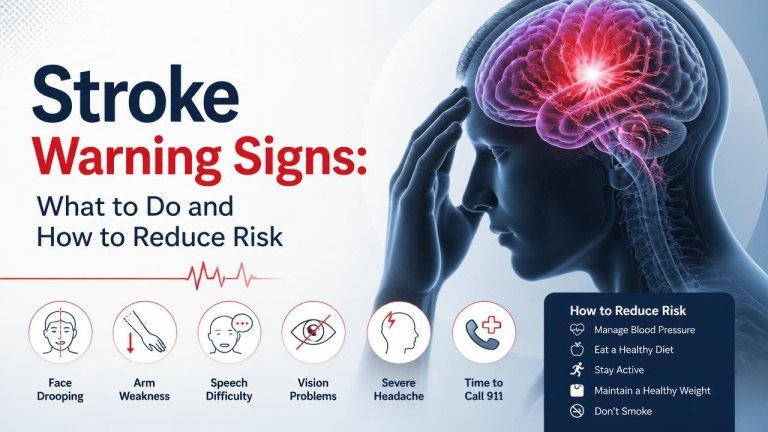
Use the BE FAST checklist to identify common symptoms. A stroke may cause one or more of these signs, and they can appear suddenly:
- Balance: sudden dizziness, trouble walking, or loss of coordination.
- Eyes: sudden vision changes in one or both eyes.
- Face: one side of the face droops or feels numb, especially when smiling.
- Arms: sudden weakness or numbness in one arm, particularly if one arm drifts downward when both are raised.
- Speech: slurred speech, difficulty speaking, or trouble understanding others.
- Time: call emergency services immediately if any warning sign appears.
Other possible symptoms include a sudden, severe headache with no known cause, confusion, numbness on one side of the body, or difficulty seeing. Symptoms can vary, so do not wait for every sign to appear.
What to Do if Stroke Is Possible
Call emergency services as soon as symptoms begin or as soon as you notice them. Tell the dispatcher that you suspect a stroke and provide the person’s last known well time—the last time they were seen without symptoms.
- Keep the person safe, still, and as comfortable as possible.
- Note when symptoms started, or when the person was last known to be normal.
- Gather a list of medications and relevant medical conditions if it is readily available.
- Do not give food, drinks, or medication unless instructed by medical professionals.
- Do not drive the person yourself if an ambulance is available; emergency teams may begin care on the way to the hospital.
Even if symptoms disappear after a few minutes, seek urgent medical evaluation. This may be a transient ischemic attack, or TIA, which can be a warning of a future stroke.
Why Fast Treatment Matters
Every minute matters because some strokes are caused by a clot that blocks blood flow. Hospital teams can determine the type of stroke and whether urgent treatments may be appropriate. Treatment decisions depend on factors such as the symptoms, the time they began, and brain imaging results.
Never assume that a mild symptom is harmless. Prompt evaluation can help limit brain injury and identify conditions that require follow-up care.
Ways to Reduce Stroke Risk
Some risk factors cannot be changed, including age, family history, and certain medical conditions. However, many everyday steps can help protect cardiovascular and brain health.
Manage Blood Pressure and Health Conditions
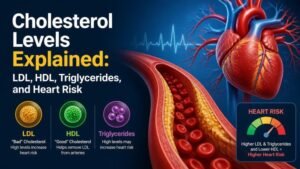
High blood pressure is an important stroke risk factor. Work with a healthcare professional to monitor it and follow the recommended treatment plan. Managing diabetes, high cholesterol, heart disease, and irregular heart rhythms can also reduce risk.
Take prescribed medicines consistently, attend recommended checkups, and ask questions before changing or stopping treatment.
Build Heart-Healthy Habits
A balanced pattern of eating, regular physical activity, and a healthy weight can support blood vessel health. Choose more vegetables, fruits, whole grains, beans, and other minimally processed foods, while limiting excess sodium and highly processed foods.
If you smoke or use nicotine, seek support to quit. Limiting alcohol and getting adequate sleep may also support overall cardiovascular health.
Know Your Personal Risk
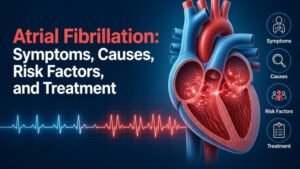
Talk with a healthcare professional about your family history, medications, blood pressure, cholesterol, and heart rhythm. People with conditions such as atrial fibrillation may need specific strategies to lower the risk of clots.
Keep a current medication list and learn the warning signs before an emergency happens. Preparation makes it easier to act without delay.
When to Seek Immediate Help
Call emergency services for any sudden face drooping, arm weakness, speech difficulty, vision change, balance problem, or severe unexplained headache. Do not wait to see whether symptoms improve and do not try to diagnose the cause at home.
Recognizing stroke symptoms, recording the time they began, and getting urgent medical care are the most important actions you can take.