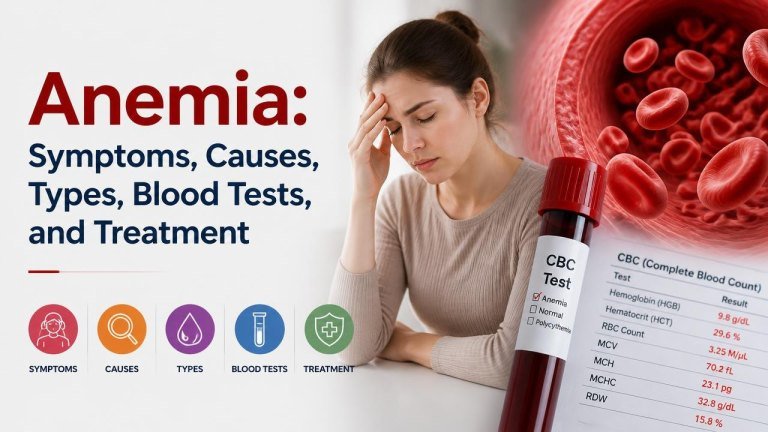
Anemia occurs when the blood does not carry enough oxygen to meet the body’s needs. It may develop gradually or appear suddenly, and symptoms can range from mild tiredness to shortness of breath or chest discomfort. Understanding the possible causes, types, tests, and treatments can help you seek appropriate medical care.
What Is Anemia?
Anemia means the body has too few healthy red blood cells or too little hemoglobin, the protein that carries oxygen. As a result, tissues may receive less oxygen than they need. Anemia is not one single disease; it is a sign of an underlying condition, nutritional problem, inherited disorder, blood loss, or another health issue.
The condition may be temporary or long-lasting. Its severity depends on how quickly it develops, how low the hemoglobin level becomes, and the person’s overall health.
Common Symptoms of Anemia
Fatigue, weakness, and pale skin are common symptoms, but anemia can affect people in different ways. Some people have no noticeable symptoms when anemia is mild or develops slowly.
- Tiredness or reduced energy
- Shortness of breath, especially during activity
- Dizziness or lightheadedness
- Headaches
- Fast or irregular heartbeat
- Cold hands and feet
- Pale skin or pale color inside the lower eyelids
- Difficulty concentrating or irritability
Severe anemia may cause chest pain, fainting, or breathlessness at rest. Seek urgent medical attention for severe breathing difficulty, chest pain, fainting, confusion, or signs of significant bleeding.
What Causes Anemia?
Anemia generally develops because the body is not making enough red blood cells, is losing blood, or is destroying red blood cells too quickly. Iron deficiency, blood loss, and chronic disease are among the important causes.
- Low iron intake or absorption: The body needs iron to produce hemoglobin. A diet low in iron, digestive conditions, or certain surgeries can reduce iron absorption.
- Vitamin deficiencies: Low vitamin B12 or folate can interfere with red blood cell production.
- Blood loss: Heavy menstrual bleeding, digestive tract bleeding, surgery, injury, or frequent blood donation may lower red blood cell levels.
- Long-term medical conditions: Kidney disease, inflammatory disorders, infections, and some cancers can affect red blood cell production.
- Inherited conditions: Disorders such as thalassemia and sickle cell disease can change the structure or lifespan of red blood cells.
- Bone marrow disorders: Problems affecting the bone marrow may reduce production of blood cells.
Types of Anemia
Doctors classify anemia by its cause, the appearance of red blood cells, or the way the body produces and uses them. Identifying the underlying cause, cell size, and red blood cell lifespan helps guide evaluation and treatment.
Iron-Deficiency Anemia
Iron deficiency is the most common nutritional cause of anemia. It may result from inadequate dietary iron, poor absorption, increased needs during pregnancy, or ongoing blood loss. Heavy menstrual periods and bleeding in the digestive tract are important causes to investigate.
Vitamin-Deficiency Anemia
A shortage of vitamin B12 or folate can produce large, abnormal red blood cells. Vitamin B12 deficiency may also cause numbness, tingling, balance problems, or memory changes, particularly when it is prolonged.
Anemia of Chronic Disease
Chronic inflammation, kidney disease, infection, and other long-term conditions can interfere with iron use, hormone signaling, and red blood cell production. Treating the underlying condition is often a central part of management.
Hemolytic Anemia
Hemolytic anemia occurs when red blood cells are destroyed faster than the body can replace them. Possible causes include immune reactions, inherited conditions, certain medicines, infections, and mechanical damage to blood cells.
Aplastic Anemia
Aplastic anemia is an uncommon condition in which the bone marrow makes too few blood cells. It can affect red blood cells, white blood cells, and platelets, and may require specialist care.

Inherited Anemias
Inherited disorders such as sickle cell disease and thalassemia can affect hemoglobin or red blood cell shape. Their management may include specialist monitoring, prevention of complications, and individualized treatments.
Blood Tests for Anemia
A healthcare professional usually begins with a complete blood count, hemoglobin level, and hematocrit. These results help determine whether anemia is present and how severe it may be.
Complete Blood Count
A complete blood count measures red blood cell numbers, hemoglobin, hematocrit, and red blood cell indices. The mean corpuscular volume can show whether cells are smaller, larger, or within the usual size range, which helps narrow the possible cause.
Additional Diagnostic Tests
Depending on the initial results and medical history, testing may include ferritin, serum iron, vitamin B12, folate, reticulocyte count, kidney function tests, or blood tests for inflammation. A blood smear may provide information about cell shape and appearance.
If blood loss is suspected, a clinician may recommend tests for digestive tract bleeding, gynecologic evaluation, or other targeted investigations. The right tests depend on age, symptoms, medical history, medications, and examination findings.
How Is Anemia Treated?
Treatment depends on the cause rather than the anemia label alone. The plan may involve replacing deficiencies, controlling bleeding, and treating an underlying disease.
- Iron treatment: Oral iron may be recommended for iron-deficiency anemia. Some people need intravenous iron when oral treatment is ineffective, poorly tolerated, or unsuitable.
- Vitamin replacement: Vitamin B12 or folate supplements can correct anemia caused by deficiency. Vitamin B12 may be given by injection in some situations.
- Treating blood loss: Care may include addressing heavy menstrual bleeding, digestive tract problems, medication effects, or another source of bleeding.
- Managing chronic disease: Treating kidney disease, inflammation, infection, or another underlying condition may improve anemia.
- Specialist treatments: Severe or inherited anemias may require medicines that stimulate blood production, transfusions, or other specialist therapies.
Do not start high-dose iron or other supplements without medical advice. Excess iron can be harmful, and supplements may delay diagnosis of ongoing bleeding or another serious condition.
Food and Lifestyle Considerations
A balanced diet can support healthy blood production, especially when it includes iron-rich foods, vitamin B12, and folate. Sources of iron include meat, seafood, beans, lentils, tofu, fortified grains, and leafy green vegetables. Vitamin C-rich foods can improve absorption of plant-based iron.
Food alone may not correct moderate or severe anemia, particularly when caused by bleeding, poor absorption, kidney disease, or an inherited condition. Follow-up blood tests help determine whether treatment is working.
When to Contact a Healthcare Professional
Arrange a medical evaluation for persistent unexplained fatigue, shortness of breath, or other symptoms of anemia. Prompt assessment is especially important if symptoms are worsening, you have heavy menstrual bleeding, notice blood or black stools, are pregnant, or have a chronic medical condition.
Emergency care may be needed for chest pain, fainting, severe breathing difficulty, confusion, or heavy uncontrolled bleeding. These symptoms can have causes other than anemia and should not be self-diagnosed.
Key Takeaway
Anemia is a common but varied condition with many possible causes. Blood tests can confirm anemia, while additional evaluation helps identify why it developed. Appropriate treatment may correct a nutrient deficiency, stop blood loss, manage an underlying chronic illness, or address an inherited or bone marrow disorder. A healthcare professional can interpret results and create a safe, individualized plan.