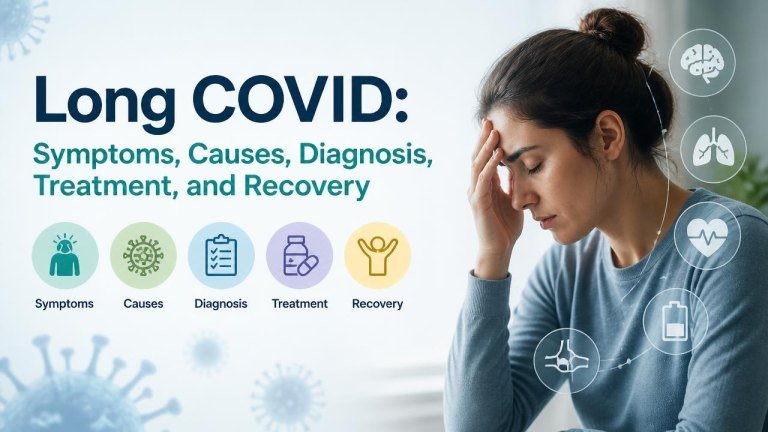
Long COVID is a condition involving new, returning, or ongoing health problems after a person has had COVID-19. Symptoms may begin during the initial illness or appear after an apparent recovery. They can affect daily activities, work, exercise, sleep, and emotional well-being.
Because Long COVID can look different from one person to another, understanding the symptoms and working with a healthcare professional are important steps toward appropriate care. This guide explains what is known about Long COVID, how it is assessed, and practical ways to support recovery.
What Is Long COVID?
Long COVID refers to health problems that continue or develop after a COVID-19 infection. It may occur after a mild, moderate, or severe infection, and some people may not have been hospitalized or diagnosed with COVID-19 at the time.
The condition is often described as persistent symptoms, new health problems, and reduced daily function. Symptoms may fluctuate, improve temporarily, or worsen after physical or mental exertion. There is no single test that confirms every case, so assessment usually involves a detailed medical history and evaluation of other possible causes.
Common Long COVID Symptoms
Long COVID symptoms can affect several body systems. Some are mild but disruptive, while others significantly limit a person’s ability to work, study, exercise, or manage everyday tasks.
Frequently reported symptoms include severe fatigue, post-exertional worsening, and difficulty concentrating. Other possible symptoms include:
- Shortness of breath, cough, or chest discomfort
- Fast or irregular heartbeat, dizziness, or lightheadedness
- Headaches, muscle aches, or joint pain
- Changes in smell or taste
- Sleep problems and unrefreshing sleep
- Digestive symptoms, such as nausea, abdominal pain, or diarrhea
- Anxiety, low mood, or other changes in emotional health
- Problems with memory, attention, or finding words
Post-Exertional Malaise
Some people experience a delayed worsening of symptoms after physical, mental, or emotional effort. This is often called post-exertional malaise. The reaction may appear hours or a day after activity and can last for an extended period.
Recognizing delayed symptom flare-ups, energy limits, and activity patterns can help people avoid repeatedly exceeding their capacity. A symptom diary may help identify triggers and support conversations with a healthcare professional.
What Causes Long COVID?
The precise causes of Long COVID are still being studied. Researchers are investigating several possible mechanisms, and more than one may contribute in the same person.
Possible factors include inflammation and immune changes, and effects on blood vessels or the nervous system. Other research has examined changes in the body’s energy production, altered gut function, and the possibility that remnants of the virus or related immune activity may persist in some tissues.
Long COVID is not simply a sign that someone is not recovering properly or trying hard enough. Symptoms are real, and their severity cannot always be judged by routine test results.
How Long COVID Is Diagnosed
There is no universal laboratory test that identifies all cases of Long COVID. Diagnosis generally begins with a careful review of the initial infection, symptom timing, symptom patterns, medical history, medications, and impact on daily life.
A clinician may use medical history, physical examination, and targeted testing to assess symptoms and rule out other conditions. Depending on the presentation, evaluation may include blood tests, heart rhythm conditions or lung assessments, neurological examination, or referrals to relevant specialists.
People who were never tested for COVID-19 may still be assessed for Long COVID if their symptoms and history fit the clinical picture. Other possible explanations should be considered rather than assuming every ongoing symptom is caused by Long COVID.
Long COVID Treatment and Symptom Management
There is currently no single treatment that cures Long COVID for everyone. Care is usually individualized and focuses on improving function, managing symptoms, treating specific complications, and avoiding preventable worsening.
A treatment plan may include symptom-focused care, gradual adaptation, and regular follow-up. Depending on the symptoms, healthcare professionals may recommend treatments for pain, sleep problems, breathing difficulties, digestive issues, or mental health concerns. Any medication should be discussed with a qualified clinician.
Pacing and Energy Management
Pacing means balancing activity with available energy and resting before symptoms become severe. It is different from forcing a fixed exercise program or pushing through significant deterioration.
Useful strategies may include short activity periods, planned rest, and reducing unnecessary exertion. People should make changes gradually and monitor how their body responds, particularly if activity causes delayed symptom worsening.
Rehabilitation and Support
Some people benefit from coordinated care involving primary care clinicians, physiotherapists, occupational therapists, respiratory specialists, or other professionals. Rehabilitation should be tailored to the person’s symptoms and should not automatically involve increasing exercise.
Helpful support may address daily functioning, work or school adjustments, and emotional well-being. Clear communication among healthcare professionals can help prevent conflicting advice and identify changes that require further assessment.
Long COVID Recovery
Recovery varies widely. Some people improve steadily, while others experience symptoms that fluctuate or return after periods of improvement. Recovery may depend on the symptoms involved, existing health conditions, available support, and the individual’s response to activity.
Helpful recovery habits include consistent sleep routines, balanced nutrition for health, and careful activity planning. Keeping a simple record of symptoms, exertion, rest, and recovery can reveal patterns without encouraging constant monitoring.
It is important to set realistic goals. Progress may involve being able to complete a daily task more comfortably, tolerate more activity without a flare-up, or manage symptoms more effectively—not necessarily returning immediately to a previous level of performance.
When to Seek Medical Help
Anyone with persistent or worsening symptoms after COVID-19 should consider speaking with a healthcare professional. Prompt evaluation is especially important when symptoms interfere with normal activities or continue without a clear explanation.
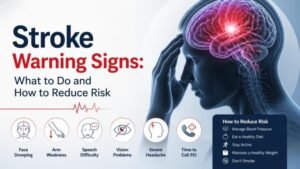
Seek urgent medical attention for severe difficulty breathing, new or persistent chest pain, or fainting or sudden confusion. Sudden weakness, difficulty speaking, a new severe headache, or signs of a serious allergic reaction also require urgent care.
Living With Long COVID
Living with Long COVID can be frustrating, particularly when symptoms are invisible or unpredictable. Sharing clear information about limitations with family, employers, educators, and healthcare professionals may make it easier to obtain appropriate support.
Focus on manageable goals, symptom awareness, and supportive care rather than comparing recovery with someone else’s experience. A qualified healthcare professional can help create a plan that reflects your symptoms, medical history, and changing needs.