
Where to Stay in New York City: The Best Neighborhoods by Travel Style
Choosing where to stay in New York City can shape your entire trip. The city is made up of five boroughs, countless distinct neighborhoods, and a vast public-transit network, so the best hotel location depends less on a single “best area” and more on how you want to spend your time.
For a first visit, Manhattan offers the most convenient access to major landmarks. Brooklyn and Queens can provide a more residential atmosphere, excellent food, skyline views, and, in some cases, better value. Before booking, compare your hotel’s location with your daily plans and check the current MTA map for routes, service changes, and accessibility information.
Quick Guide: Which New York City Neighborhood Is Right for You?
The following overview is a practical starting point for matching an area with your priorities:
- First-time sightseeing: Midtown Manhattan or the Theater District
- Luxury, shopping, and design: SoHo, NoMad, or the Upper East Side
- Restaurants and nightlife: Greenwich Village, the West Village, or the Lower East Side
- Families and museums: the Upper West Side
- Local atmosphere and skyline views: Williamsburg, Brooklyn Heights, or DUMBO
- Potentially better value near Manhattan: Long Island City
- Business travel: Midtown, Hudson Yards, or the Financial District
Neighborhood boundaries in New York are often informal, and the atmosphere can change noticeably from one avenue to the next. Look at the exact street, not just the neighborhood name, before reserving a room.

Midtown Manhattan: Best for First-Time Visitors
Midtown is the classic choice for travelers who want to place major attractions within easy reach. Times Square, Broadway theaters, Rockefeller Center, Fifth Avenue, St. Patrick’s Cathedral, and Grand Central Terminal are all nearby, although the area can feel busy and commercial.
Choose Midtown if your itinerary is packed with first-visit landmarks, Broadway shows, and central subway connections. It is particularly practical for short stays when you want to reduce cross-city travel between sightseeing stops.
The trade-off is atmosphere. Midtown is energetic throughout the day, but some visitors may prefer a neighborhood with more independent restaurants, quieter residential streets, or a stronger local identity. Consider areas around Bryant Park, Grand Central, or the southern edge of Midtown if you want convenience without staying directly beside Times Square.
Best for Theater and Central Convenience
The blocks around the Theater District put you close to Broadway venues and many major visitor attractions. Look for a hotel on a street that suits your comfort level, since the busiest areas can be crowded and bright late into the evening. Walkability, late-night transport, and noise levels are worth comparing carefully.

SoHo and NoLita: Best for Shopping, Style, and Design
SoHo is known for its cast-iron architecture, fashion stores, galleries, cafés, and busy dining scene. NoLita, just to the east, has a more compact and relaxed feel, with boutiques, restaurants, and attractive streets that are convenient for exploring neighborhoods to explore in New York City.
These neighborhoods suit travelers who prioritize design-led hotels, independent boutiques, and walkable downtown streets. They are also well placed for Chinatown, Little Italy, Tribeca, the Lower East Side, and parts of Greenwich Village.
Accommodation here can be expensive, and some streets are livelier than others. If you want a calmer room, review recent guest comments for street noise and confirm whether the hotel faces a main avenue, nightlife venue, or busy retail corridor.
Greenwich Village and the West Village: Best for Restaurants and Nightlife
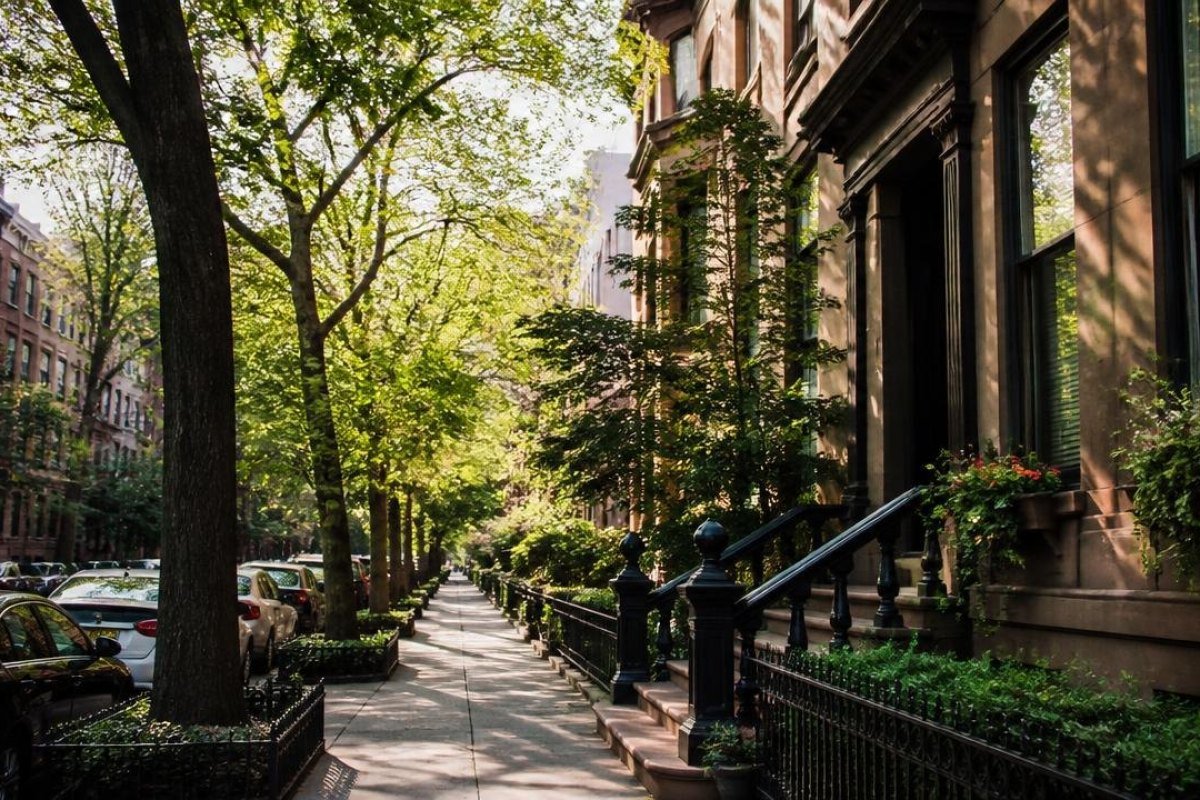
Greenwich Village and the West Village are among the city’s most atmospheric areas, with tree-lined streets, historic townhouses, music venues, cafés, bars, and a strong restaurant culture. The West Village is especially appealing for travelers who enjoy wandering without following a strict sightseeing schedule.
Stay here for evening dining, live music, and neighborhood character. Washington Square Park, the High Line, Chelsea, Union Square, and SoHo are all reachable on foot or by a short subway ride, depending on your exact location.
Hotels are less concentrated than in Midtown, and room sizes and prices vary widely. The Village’s irregular street layout also means that a hotel may be close to an attraction on a map but less direct by subway. Check the walking route and nearby stations before booking.
Best for a Romantic City Break
The West Village is a strong choice for couples seeking intimate restaurants, quiet corners, and evening strolls. For a more polished and central alternative, compare it with nearby Chelsea or NoMad.
Upper West Side: Best for Families and Museums
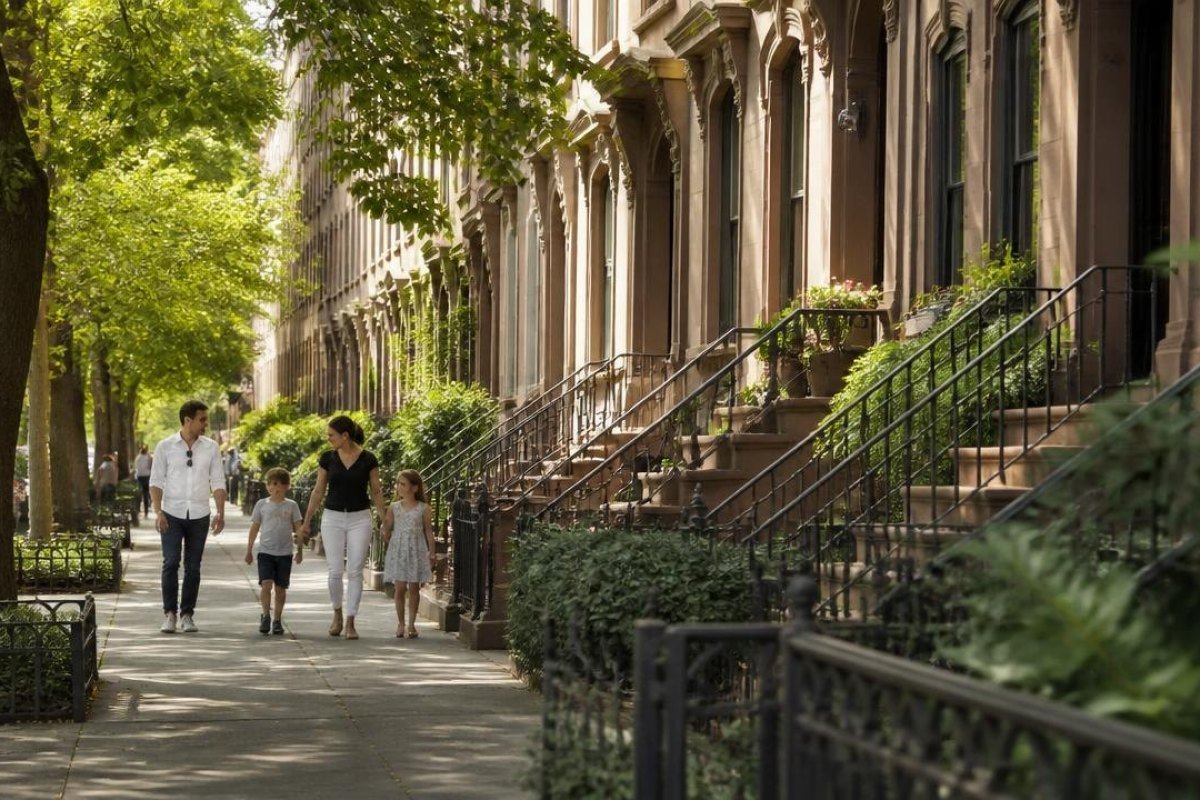
The Upper West Side combines residential streets with convenient access to Central Park, the American Museum of Natural History, Lincoln Center, and cultural attractions along the western side of Manhattan. It often feels calmer than Midtown while remaining well connected.
Families may appreciate the area’s roomier neighborhood feel, park access, and casual dining options. Central Park provides space for walks and breaks between museums, while subway lines on the west side can make journeys downtown straightforward. These are among the neighborhoods for every type of traveler.
For the most convenient stay, compare hotels near the subway corridors rather than choosing solely by the neighborhood label. The northern part of the Upper West Side can feel more residential, while locations closer to Lincoln Square are more urban and cultural.
Upper East Side: Best for Museums and a Quieter Manhattan Base
The Upper East Side is a good fit for travelers who want access to Central Park, Museum Mile, elegant residential blocks, and a less tourist-focused evening atmosphere. The Metropolitan Museum of Art and other cultural institutions make this area especially attractive to art and history enthusiasts.
Choose it for museum visits, classic Manhattan streetscapes, and quieter evenings. The neighborhood is spread out, so check the distance to the attractions and subway stations that matter most to your itinerary.
It may be less convenient than Midtown if your trip centers on Broadway, Lower Manhattan, or frequent cross-city journeys. On the other hand, travelers planning several days around Central Park and the museums may find it more relaxing.
Chelsea and Hudson Yards: Best for Galleries, the High Line, and Modern Hotels
Chelsea offers art galleries, restaurants, the High Line, and access to the Hudson River. Nearby Hudson Yards has a newer, large-scale development with modern public spaces, shopping, dining, and hotel options.
This area works well for travelers seeking contemporary architecture, art and galleries, and easy west-side walks. It is also practical for visiting the High Line, Chelsea Market, and attractions around the Hudson River.

Atmosphere can differ considerably between established Chelsea streets and the newer Hudson Yards district. Compare both if you want either a more local feel or a polished, modern setting.
Lower East Side and East Village: Best for Food, Bars, and Alternative Nightlife
The Lower East Side and East Village are popular with travelers who want late-night energy, creative venues, casual restaurants, cocktail bars, and a broad range of international food. They are close to Chinatown, NoLita, Union Square, and the downtown nightlife circuit.
These neighborhoods are best for food-focused trips, independent nightlife, and urban energy. They are less suited to visitors who want an early, quiet start every morning or a hotel immediately beside the major Midtown attractions.
Before booking, inspect the exact block and read recent reviews about noise, elevators, and room layout. A hotel on a quieter residential street can feel very different from one above a busy bar or restaurant.
Financial District and Battery Park City: Best for Downtown Sightseeing
The Financial District is convenient for the 9/11 Memorial and Museum, One World Observatory, Wall Street, the South Street Seaport, and ferries around Lower Manhattan. Battery Park City offers waterfront paths and a more open, residential feel beside the business district.
Stay here for Lower Manhattan landmarks, waterfront walks, and business access. It can also be a good base for visitors who plan to explore the Statue of Liberty area, Brooklyn Bridge, and the harbor.
The neighborhood is busiest on working days and can be quieter after office hours. If you want a lively restaurant scene immediately outside your hotel, compare the exact location with downtown areas such as SoHo, Tribeca, or the Lower East Side.
Williamsburg: Best for Brooklyn Food, Music, and Skyline Views
Williamsburg combines waterfront parks, restaurants, bars, music venues, independent shops, and views toward Manhattan. It is a popular choice for travelers who want to experience Brooklyn while remaining within reach of Manhattan by public transit.
Choose Williamsburg for Brooklyn nightlife, creative dining, and riverfront sunsets. The neighborhood is large and varied, so a hotel near the waterfront may offer a different experience from one farther east around local commercial streets.
It is an appealing alternative to Manhattan for repeat visitors and travelers who plan to spend substantial time in Brooklyn. If your daily schedule is centered on museums and Midtown, calculate the return journey before booking.
DUMBO and Brooklyn Heights: Best for Views and a Memorable Setting
DUMBO and Brooklyn Heights are ideal for travelers who value dramatic city views, waterfront walks, historic architecture, and quick access to Brooklyn Bridge Park. DUMBO has a more visitor-oriented atmosphere, while Brooklyn Heights offers quiet streets and classic brownstone character.
These areas stand out for Manhattan skyline views, Brooklyn Bridge access, and photogenic streets. They are especially enjoyable for couples, photographers, and travelers who want their accommodation to feel like part of the destination.
Hotel supply is more limited than in Midtown, and prices can reflect the location. Review the precise address carefully, since the most attractive waterfront areas are not always the most convenient for every subway journey.
Long Island City: Best for Value, Views, and Access to Manhattan
Long Island City, in Queens, has waterfront parks, contemporary residential towers, cultural venues, and fast connections toward Manhattan on several subway routes. It can be a useful base for travelers who want a modern hotel and a different perspective on the city.
Consider LIC for potentially better value, Manhattan skyline views, and efficient subway access. The area is also convenient for exploring Queens, including nearby cultural and food destinations.
Do not assume every LIC hotel has the same commute. Check the walk to the nearest station, the specific train lines, and the route to your main attractions. Service changes can affect travel times, so consult the MTA before setting out.
How to Choose the Right Hotel Location in New York City
Start by listing the three or four places you most want to visit, then choose a neighborhood that minimizes repeated journeys. New York rewards walking, but a hotel near a reliable subway connection can save considerable time over several days.
- Check the nearest subway station and the lines serving it.
- Compare the hotel’s exact street location, not just its neighborhood name.
- Read recent reviews for noise, elevators, room size, and cleanliness.
- Confirm the total price, including taxes, destination fees, and any required deposit.
- For airport transfers, compare the hotel’s location with current public-transit and taxi options.
New York hotels can differ significantly in room size and building layout. A well-located hotel with a smaller room may be a better choice than a larger room that adds long daily transfers, especially on a short trip.
Getting Around From Your New York City Neighborhood
The subway is usually the most useful way to connect Manhattan, Brooklyn, Queens, and other parts of the city, while walking is often the best option within a neighborhood. Buses can help on cross-town routes, and ferries may be useful for selected waterfront journeys.
Build your plans around walking distances, subway connections, and late-night alternatives. Check the official MTA map and service alerts shortly before travel because planned work, delays, and station changes can affect routes.
For airport journeys, allow extra time for luggage, transfers, and unexpected delays. If you arrive late or travel with several bags, compare public transit with a licensed taxi or app-based car service based on your arrival airport and hotel location.
Final Recommendation: The Best Area Depends on Your Trip
There is no single best neighborhood for every New York City visitor. Midtown is the easiest starting point for a packed first itinerary, Greenwich Village and the Lower East Side suit nightlife and dining, the Upper West Side works well for families, and Brooklyn or Long Island City can offer a more local setting.
Choose the area that supports your priorities: time efficiency, neighborhood atmosphere, and overall hotel value. Once you match the location to your travel style, New York becomes much easier to explore—and far more rewarding beyond the most famous sights.