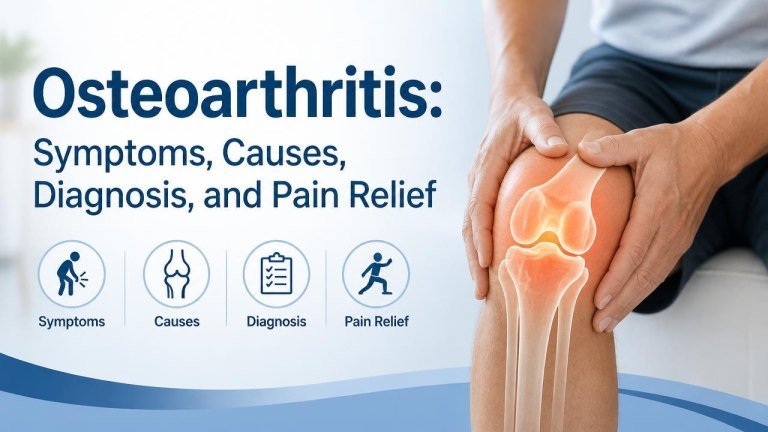
Osteoarthritis is the most common form of arthritis and can affect everyday movement, comfort, and independence. It develops when the tissues within a joint gradually change, causing symptoms such as pain, stiffness, swelling, and reduced flexibility. Although osteoarthritis cannot currently be cured, a tailored treatment plan can often reduce discomfort and help you stay active.
What Is Osteoarthritis?
Osteoarthritis is a long-term joint condition involving changes to cartilage, the smooth tissue that helps bones move easily against one another. As the joint changes, the surrounding bone, lining, muscles, and ligaments may also become affected. It most often involves the knees, hips, hands, spine, and base of the big toe.
Osteoarthritis is not simply the result of normal aging. It can develop at different ages and may be influenced by previous injuries, genetics, body weight, repetitive joint stress, or other health conditions.
Common Symptoms of Osteoarthritis
Symptoms can develop gradually and vary from person to person. Some people have mild changes on imaging but significant pain, while others have visible joint changes with few symptoms.
- Joint pain that often increases during or after activity
- Stiffness, especially after waking or resting for a while
- Swelling or tenderness around the affected joint
- A reduced range of motion or difficulty moving the joint fully
- Grating, clicking, or popping sensations during movement
- Weakness or a feeling that the joint may give way
- Changes in the shape of the fingers or other affected joints
Seek prompt medical advice for sudden severe swelling, a hot or red joint, fever, a major injury, or an inability to put weight on a limb. These signs may point to another condition or require urgent assessment.
Causes and Risk Factors
Osteoarthritis results from a combination of joint changes and individual risk factors. Age can increase risk, but it is only one factor. The condition may also be linked to previous joint injury, repeated physical stress, or inherited differences in joint structure.
- Injury or surgery affecting a joint
- Repeated occupational or sports-related strain
- Higher body weight, which can increase stress on weight-bearing joints
- Family history of osteoarthritis
- Joint abnormalities present from birth or developed over time
- Other forms of arthritis or metabolic conditions
Having a risk factor does not mean osteoarthritis is inevitable. Regular movement, injury prevention, and management of overall health may help protect joint function.
How Osteoarthritis Is Diagnosed
A diagnosis usually begins with a discussion of your symptoms, medical history, previous injuries, and daily activities. During an examination, a clinician may assess joint tenderness, movement, swelling, alignment, muscle strength, and signs of instability.
X-rays may show changes such as narrowing of the joint space or bone spurs, but imaging does not always match the level of pain. Other tests, including blood tests or joint-fluid analysis, may be used when a clinician needs to rule out infection, gout, rheumatoid arthritis, or another cause of symptoms.
Osteoarthritis Pain Relief and Treatment
Treatment is usually personalized according to the affected joint, symptom severity, health history, and personal goals. A combination of approaches often works better than relying on one treatment alone.
Movement and Physical Therapy
Low-impact activity can help maintain strength, flexibility, and joint function. Walking, cycling, swimming, water exercise, and carefully planned strengthening may be useful for many people. A physical therapist can recommend exercises that support the joint without aggravating symptoms.

Begin gradually and increase activity at a manageable pace. Short, regular sessions may be easier to tolerate than occasional intense workouts. If pain remains significantly worse after exercise, ask a healthcare professional how to adjust your routine.
Weight Management and Daily Joint Protection
For people carrying excess weight, even modest weight reduction may reduce pressure on weight-bearing joints and make movement easier. A sustainable plan that combines nutritious eating, regular activity, and professional guidance is generally more helpful than restrictive diets.
Joint-protection strategies may include supportive footwear, pacing demanding tasks, using assistive devices when recommended, and alternating activity with rest. Workplace or home adjustments can also reduce unnecessary strain.
Medicines and Other Pain Treatments
Depending on your health history, a clinician or pharmacist may discuss topical or oral pain relievers. Topical anti-inflammatory medicines may be suitable for some localized joint pain, while oral medicines can have important risks involving the stomach, kidneys, heart, or interactions with other drugs.
Do not start long-term pain medication without checking whether it is safe for you, particularly if you have chronic kidney disease. In some situations, an injection or another specialist treatment may be considered. The benefits and possible side effects should be reviewed before treatment.
Surgery for Severe Osteoarthritis
If pain and loss of function remain substantial despite nonsurgical care, a specialist may discuss surgery. Joint replacement is one option for selected people with advanced disease, particularly when symptoms severely affect sleep, walking, work, or daily activities.
Surgery is not the first choice for everyone. The decision depends on symptoms, examination findings, imaging, general health, expectations, and whether other treatments have been adequately tried.
Living Well With Osteoarthritis
A long-term plan can make symptoms more manageable. Track which activities improve or worsen pain, follow your exercise program consistently, and attend follow-up appointments when advised. Regular movement, realistic pacing, and good sleep can all support daily function.
Osteoarthritis pain can also affect mood and confidence. Speak with a healthcare professional if pain is affecting sleep, work, relationships, or emotional well-being. Support from a physical therapist, occupational therapist, dietitian, or pain specialist may be valuable.
When to Contact a Healthcare Professional
Arrange an assessment if joint pain, stiffness, or swelling persists, keeps returning, or interferes with normal activities. Professional advice is especially important when symptoms are rapidly worsening, the joint becomes hot and red, or you develop fever or severe weakness.
Early guidance can help identify the cause of symptoms, protect mobility, and create a treatment plan that fits your needs.