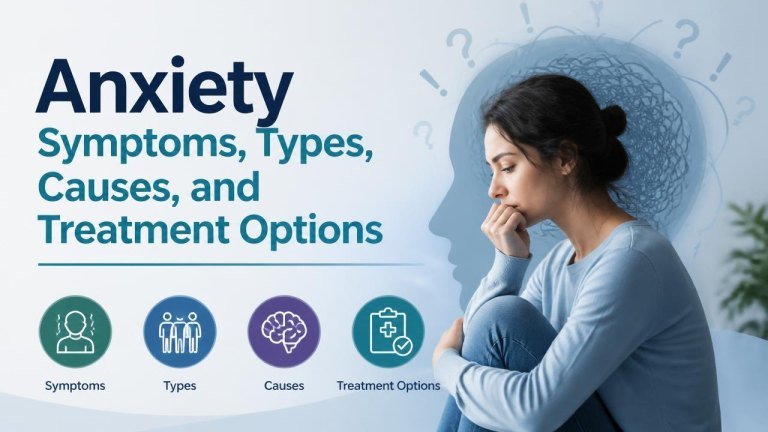
Anxiety is a common emotional response to stress, uncertainty, or perceived danger. It can be useful in short periods, helping you prepare for challenges. However, anxiety that is intense, persistent, or difficult to control may affect sleep, work, relationships, and everyday activities.
What Does Anxiety Feel Like?
Anxiety can affect the body, thoughts, and behavior at the same time. Some people notice a racing heart, muscle tension, sweating, trembling, stomach discomfort, or shortness of breath. Others experience persistent worry, irritability, difficulty concentrating, or a sense that something bad is about to happen.
Occasional anxiety does not necessarily indicate a disorder. The concern becomes more significant when symptoms are frequent, distressing, or disruptive to normal life. A healthcare professional can help distinguish anxiety from other medical or psychological conditions.
Common Anxiety Symptoms
Anxiety symptoms vary from person to person, but they often include a combination of physical and emotional changes. Recognizing patterns can make it easier to seek appropriate support.
Physical Symptoms
- Rapid heartbeat or noticeable heart pounding
- Muscle tension, trembling, or restlessness
- Sweating, dizziness, or lightheadedness
- Shortness of breath or a feeling of tightness
- Stomach pain, nausea, or changes in appetite
- Fatigue, headaches, or difficulty sleeping
These sensations may be caused by the body’s stress response. Although they can feel alarming, they do not always signal immediate danger. New, severe, or unexplained physical symptoms should still be assessed by a medical professional.
Emotional and Behavioral Symptoms
- Excessive or difficult-to-control worry
- Irritability or feeling constantly on edge
- Difficulty concentrating or making decisions
- A strong need to avoid certain people, places, or situations
- Repeatedly seeking reassurance
- Feeling detached, overwhelmed, or unable to relax
When avoidance begins to limit daily life, it may reinforce fear, reduce confidence, and make situations seem increasingly difficult. Support and treatment can help break this cycle.
Types of Anxiety Disorders
Anxiety disorders are not all the same. They differ in their main triggers, symptom patterns, and effects on daily functioning. A qualified clinician can provide an accurate diagnosis.
Generalized Anxiety Disorder
Generalized anxiety disorder involves ongoing, excessive worry about several areas of life, such as health, finances, family, or work. The worry may feel difficult to control and can occur alongside restlessness, fatigue and sleep problems.
Panic Disorder
Panic disorder involves recurring, unexpected panic attacks and ongoing concern about having another one. A panic attack can cause intense fear, a racing heart, chest discomfort, dizziness, or a feeling of losing control. Medical evaluation is important because some symptoms can resemble other health conditions.
Social Anxiety Disorder
Social anxiety disorder involves substantial fear of being judged, embarrassed, rejected, or negatively evaluated in social or performance situations. People may avoid conversations, public speaking, meetings, or unfamiliar settings despite wanting to participate.
Phobias
A specific phobia is an intense fear of a particular object or situation, such as flying, heights, injections, or certain animals. The fear is often disproportionate to the actual risk and may lead to avoidance and significant disruption.
Agoraphobia
Agoraphobia involves fear of situations where escape may feel difficult or help may seem unavailable during intense anxiety. Examples can include crowded areas, public transportation, open spaces, or being outside the home alone.
Separation Anxiety Disorder
Separation anxiety disorder involves excessive fear or distress related to being apart from an attachment figure. Although it is often associated with childhood, it can also affect adults.
What Causes Anxiety?
Anxiety usually develops through a combination of influences rather than one single cause. Important factors may include genetics, brain chemistry, and a person’s experiences.
Stressful life events, trauma, chronic illness, pain, sleep deprivation, and ongoing conflict can increase vulnerability. Some medications, substances, and medical conditions may also cause or intensify anxiety-like symptoms. Caffeine, alcohol, and recreational drugs can affect people differently and may worsen symptoms for some individuals.
Family history may increase risk, but it does not determine a person’s future. Protective factors such as supportive relationships, healthy routines, coping skills, and timely care can make a meaningful difference.
How Anxiety Is Diagnosed
Diagnosis generally involves a conversation about symptoms, their duration, triggers, severity, and impact on daily life. A clinician may also ask about sleep, medications, substance use, medical history, and previous mental health concerns.
There is no single test that confirms every anxiety disorder. A healthcare professional may recommend a physical evaluation or additional testing when symptoms could be related to another medical condition. Accurate diagnosis helps ensure that treatment addresses the underlying problem.
Treatment Options for Anxiety
Effective treatment can include therapy, medication, lifestyle changes, or a combination of approaches. The best plan depends on the type and severity of anxiety, personal preferences, other health conditions, and previous treatment experiences.
Psychotherapy
Cognitive behavioral therapy, often called CBT, is a widely used approach for anxiety. It helps people identify unhelpful thought patterns, gradually face feared situations, and develop practical coping skills. Exposure-based methods can be particularly useful for phobias, panic symptoms, and some forms of social anxiety.
Other therapeutic approaches may support emotional regulation, trauma recovery, acceptance, or relationship concerns. Treatment works best when it is collaborative and adapted to the individual’s needs.
Medication
Depending on the diagnosis, a clinician may discuss antidepressants or other medicines that help reduce anxiety. Some medications require time to provide their full benefit, while others may have important safety considerations or risks of dependence.
Medication should be taken only as prescribed. Do not start, stop, or change a dose without discussing it with the prescribing professional. Sharing information about other medicines, supplements, alcohol, and recreational substances helps reduce potential risks.
Lifestyle and Self-Care Strategies
Self-care is not a substitute for professional treatment when anxiety is severe, but healthy routines may support recovery. Helpful steps can include regular sleep, physical activity, balanced meals, and reducing substances that worsen symptoms.
- Practice slow breathing or grounding exercises during periods of stress.
- Break overwhelming tasks into smaller, manageable steps.
- Maintain contact with supportive friends, family, or community groups.
- Track possible triggers, symptoms, sleep, and caffeine or alcohol use.
- Set realistic goals rather than expecting anxiety to disappear immediately.
When to Seek Help
Consider speaking with a healthcare professional when anxiety is persistent, interferes with responsibilities, causes significant avoidance, or affects sleep and relationships. Early support can make symptoms easier to manage and may prevent them from becoming more limiting.
Seek urgent help if anxiety is accompanied by thoughts of self-harm, an inability to stay safe, severe confusion, or a medical emergency. Contact local emergency services or a crisis resource in your area. New chest pain, severe breathing difficulty, fainting, or other alarming physical symptoms also require prompt medical attention.
Living Well With Anxiety
Anxiety can be challenging, but it is treatable and manageable for many people. Progress may involve learning to respond differently to uncomfortable sensations, reducing avoidance, and building reliable support. With the right combination of professional care, practical skills, and patience, many people regain confidence and improve their quality of life.
This article provides general information and is not a substitute for individualized medical advice. A qualified healthcare professional can help evaluate symptoms and recommend appropriate treatment.