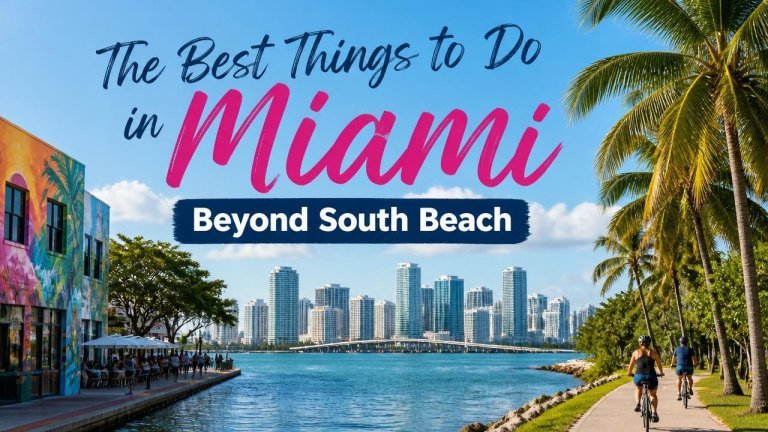
Miami is much more than pastel lifeguard towers, Ocean Drive, and the crowds of South Beach. Beyond the famous shoreline, the city unfolds through distinct neighborhoods, Latin American culture, historic landmarks, and surprisingly rich tropical landscapes.
This guide focuses on the experiences that reveal a broader side of Miami, from Cuban coffee and contemporary art to mangrove-lined parks and grand waterfront estates. The city is spread out, so plan by neighborhood rather than trying to see everything in a single day.
Explore Little Havana Through Food, Music, and Everyday Life
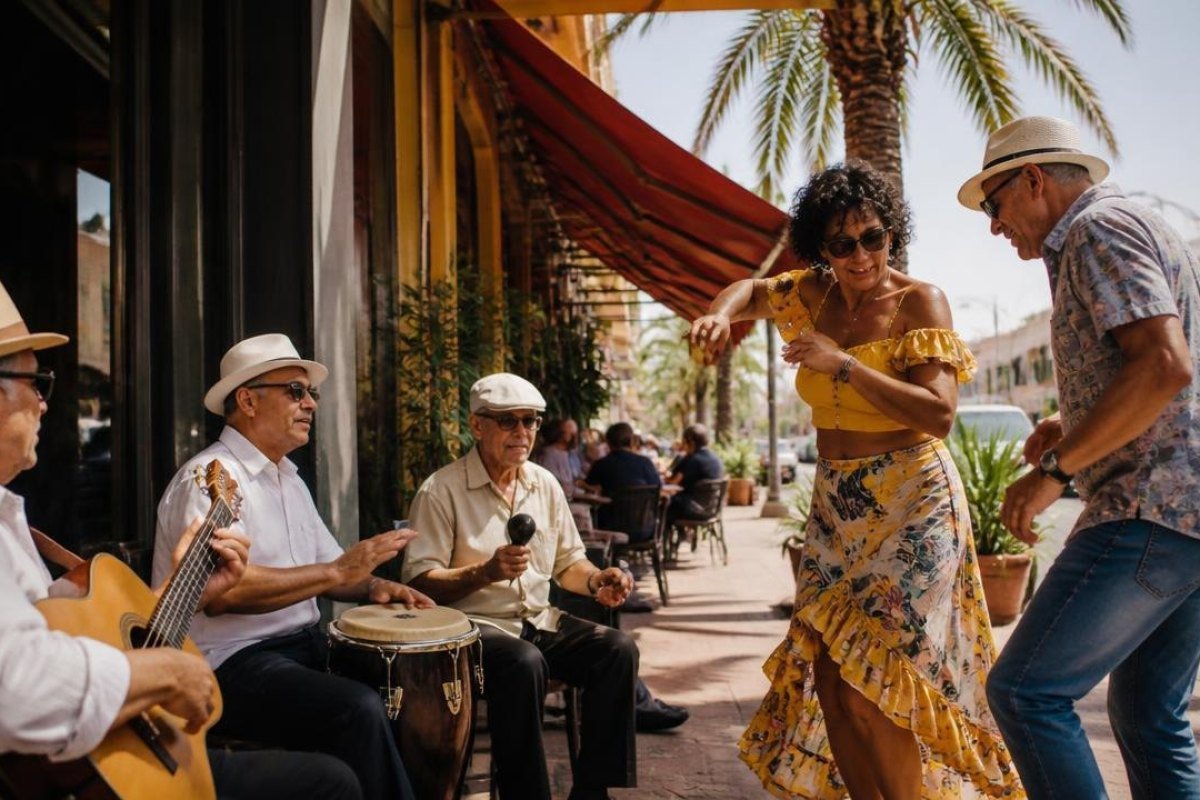
Little Havana is one of the best places to understand Miami’s Cuban and Caribbean influences. Start along Calle Ocho, but do not limit your visit to the busiest blocks. Look for cafecito counters, family-run restaurants, and domino games in the neighborhood’s traditional gathering places.
Try Cuban classics such as a pressed sandwich, ropa vieja, croquetas, or sweet pastries. A small coffee stop can be as memorable as a formal meal, especially when paired with a walk through the neighborhood’s murals, music venues, and independent shops, much like this food, music, and history itinerary.

Visit during the daytime for a relaxed introduction, then consider returning in the evening when live music and cultural performances bring a different energy. Be respectful when photographing residents and local businesses; Little Havana is a lived-in community, not simply an open-air attraction.
See Miami’s History at Vizcaya Museum and Gardens
Vizcaya Museum and Gardens offers a quieter, more historic side of Miami. The former estate combines European-inspired interiors, formal gardens, and Biscayne Bay views in a setting that feels far removed from the city’s modern skyline.
Allow enough time to explore both the house and the gardens. The interior rooms reveal how wealthy visitors once imagined tropical Miami, while the outdoor spaces are especially rewarding for architecture and photography enthusiasts.
Check the museum’s official visitor information before going, since opening arrangements, admission details, and access to particular areas can change. Comfortable shoes are useful because the estate includes extensive outdoor paths.
Combine Art and Science in Downtown Miami
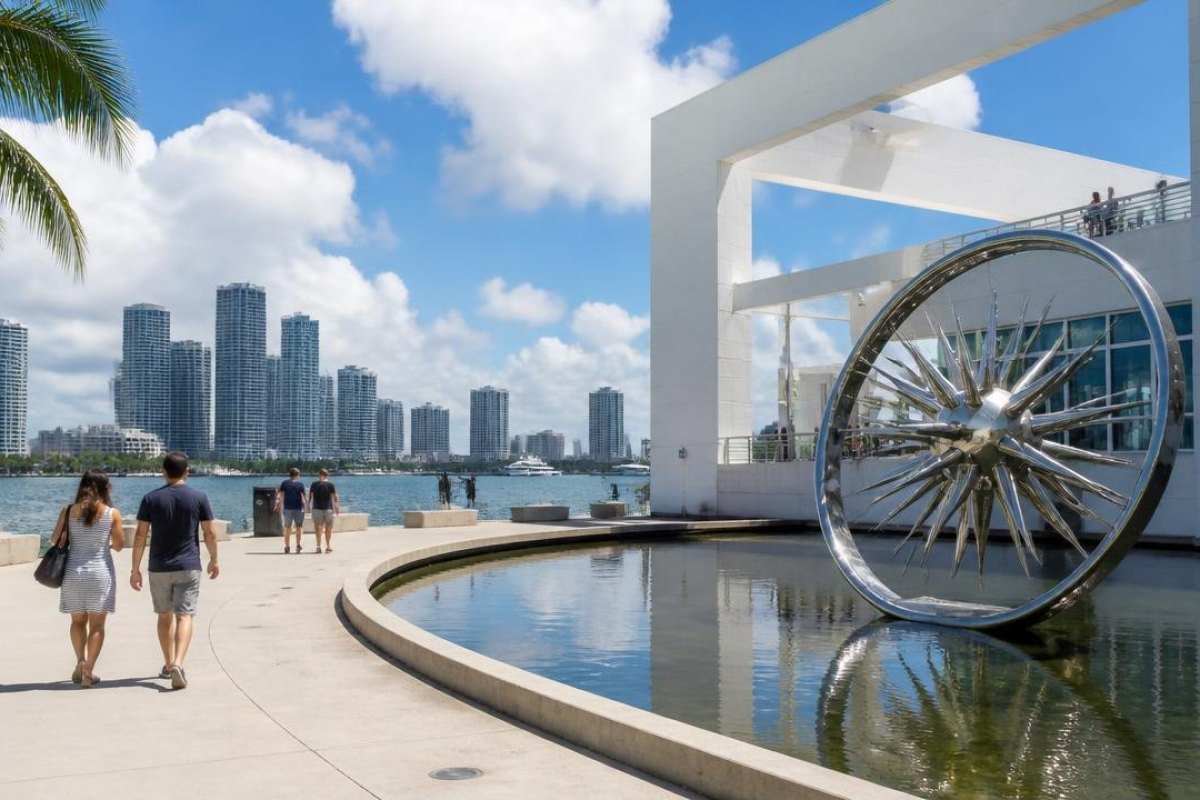
Downtown Miami is a strong choice for travelers who want museums, waterfront scenery, and an urban atmosphere in one outing. Around Museum Park, you can pair the Pérez Art Museum Miami with the Phillip and Patricia Frost Museum of Science, then continue toward the bayfront, much as you might plan a markets to museums guide.
PAMM is known for modern and contemporary art, along with architecture that frames views of Biscayne Bay. Frost Science takes a more interactive approach, with exhibits designed around marine life, planetary science, and hands-on discovery.
These attractions work well for families, couples, and hot or rainy days when outdoor sightseeing becomes less comfortable. Review current exhibition schedules and ticket requirements on the official museum websites before building your itinerary.
Wander Through Coconut Grove’s Lush, Historic Streets
Coconut Grove has a slower rhythm than central Miami, with leafy streets, waterfront parks, and a long association with artists, writers, sailors, and independent-minded residents. It is ideal for travelers seeking shade-filled walks, local cafés, and historic character.
Spend time around the village center, then walk toward the bay or visit The Barnacle Historic State Park. The park preserves an early Miami home and provides insight into the area before high-rise development transformed much of the waterfront.
Coconut Grove is also a pleasant place to pause for lunch or an afternoon drink. Pair the neighborhood with Vizcaya on the same day if you prefer a history-focused itinerary, but allow extra travel time between locations.
Visit Coral Gables for Architecture and Tropical Gardens
Coral Gables presents a more planned and Mediterranean-inspired vision of South Florida. Its broad avenues, decorative details, and mature trees create a setting that feels different from both Downtown Miami and Miami Beach.

Highlights include Mediterranean Revival design, tree-lined boulevards, and the atmospheric Venetian Pool. Because operating arrangements and access can vary, confirm current visitor information before making the pool the centerpiece of your day.
For a deeper nature experience, continue toward Fairchild Tropical Botanic Garden. Its collections, walking paths, and conservation focus make it one of the most rewarding places to appreciate tropical plants, butterfly habitats, and South Florida’s climate.
Discover Miami’s Contemporary Side in Wynwood and the Design District
Wynwood is famous for large-scale murals, but its appeal extends beyond taking photographs beside colorful walls. Explore smaller galleries, creative spaces, cafés, and restaurants to experience the neighborhood’s street art, independent creativity, and changing cultural scene.
Nearby, the Miami Design District offers a more polished environment centered on architecture, fashion, public art, and high-end design. It is particularly enjoyable for visitors interested in modern buildings, sculpture installations, and specialty shopping.
Both areas can change quickly, with galleries, restaurants, and exhibitions opening or closing over time. Check current listings before visiting and plan for plenty of walking, especially during warm afternoons.
Spend Time in Nature at Biscayne Bay and Virginia Key
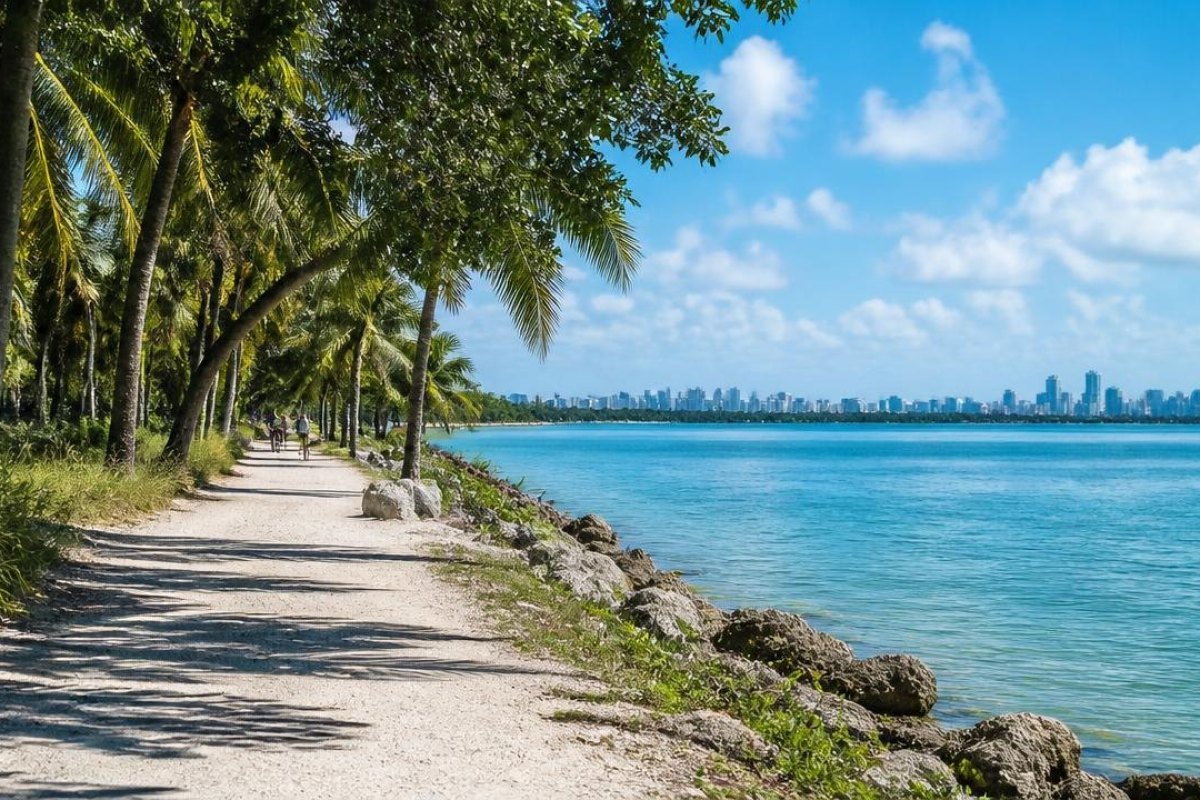
Miami’s natural attractions are easy to overlook, yet the region’s waterways and coastal ecosystems are central to its identity. Look for guided experiences such as kayaking excursions, mangrove paddles, or wildlife-focused boat tours in and around Biscayne Bay.
Virginia Key offers another perspective, with open spaces and historic connections to Miami’s waterfront. Conditions on the water depend on weather, tides, and operator availability, so confirm safety guidance and reservations directly with the provider.
If you want a more ambitious nature day, consider a trip toward Everglades National Park. It is not a quick city attraction, but it provides a memorable contrast to Miami’s architecture through wetland landscapes, wildlife viewing, and wide-open horizons.
Plan a Relaxed Miami Itinerary Beyond South Beach
Miami is easier to enjoy when you group nearby experiences together. For example, combine Little Havana and Downtown on one day, Vizcaya and Coconut Grove on another, and Coral Gables with Fairchild on a third, as outlined in this three-day Miami itinerary.
Public transport can be useful in central areas, while rideshare services, taxis, or a rental car may be more practical for combining attractions across the wider metropolitan area. Travel times can vary significantly with traffic, especially during weekday commuting periods.
Reserve time for unplanned stops. A shaded café, a neighborhood bakery, a small gallery, or a waterfront sunset may become more memorable than another tightly scheduled attraction. The best way to experience Miami beyond South Beach is to leave room for the city’s many different moods.
Practical Tips for Visiting Miami Beyond the Beach
Miami is warm for much of the year, so carry sun protection, water, and comfortable clothing for walking. Afternoon rain can arrive quickly, making a light layer or compact umbrella useful.
Always verify current opening hours, ticket policies, and event schedules before setting out. Museums, gardens, parks, and historic sites may use timed entry, seasonal hours, or special-event closures.
Finally, give each neighborhood enough time to feel distinct. Miami’s character is not found in one landmark but in the contrasts between Cuban cafés, tropical gardens, contemporary museums, historic homes, and coastal ecosystems.