Maine is often introduced through Acadia National Park, but the state’s character extends beyond Acadia National Park. Outside Acadia, you can find working harbors, quiet mountain lakes, historic lighthouses, and some of New England’s most rewarding small towns.
This guide focuses on the best things to do in Maine beyond Acadia National Park, with ideas for coastal road trips, outdoor adventures, cultural stops, and slower experiences that reveal a broader side of the Pine Tree State.
Explore Portland’s Food, Waterfront, and Neighborhoods
Portland is one of the easiest places to begin a Maine trip. Its compact center combines the Old Port, working waterfront, and independent restaurants with galleries, breweries, historic streets, and easy access to nearby beaches and lighthouses.
Spend time walking the cobblestone streets around the Old Port, then continue toward the Eastern Promenade for views across Casco Bay. The city is especially appealing to travelers who want to mix urban sightseeing with coastal scenery and local seafood without spending every day behind the wheel.

Portland also works well as a base for exploring nearby communities such as Cape Elizabeth, South Portland, and the surrounding coastal communities. Before visiting specific attractions, check seasonal schedules, parking information, and local event calendars.

Take a Ferry Across Casco Bay
From Portland, ferries connect the mainland with several Casco Bay islands throughout the year. A trip to the islands offers a change of pace, with quiet roads, ocean views, and a more residential coastal atmosphere.
Peaks Island is a popular choice for a short outing because it can be explored by bicycle or on foot, while other islands provide a more peaceful setting for a picnic, shoreline walk, or slow afternoon. Ferry routes and departure times vary, so review the current information from the ferry operator before planning a day trip.
For visitors who prefer sightseeing without disembarking, seasonal scenic cruises can provide views of forts, islands, lighthouses, and Portland Harbor. Bring an extra layer: even a calm summer day on the water can feel cool.
Follow Maine’s Lighthouse Coast
Maine’s lighthouses are among its most recognizable landmarks, but the most rewarding visits often include the landscapes and communities around them. Look for Portland Head Light in Fort Williams Park, Pemaquid Point Light on the Midcoast, and Marshall Point Light near Port Clyde.
Each location offers a different experience. Some are set beside rocky headlands, others near small museums or fishing villages, and many are best enjoyed as part of a longer coastal drive. The Maine Lighthouse Museum in Rockland is another useful stop for travelers interested in maritime history.
Many lighthouse towers are not open for regular public climbing. Access, tours, and special events can be seasonal, so confirm details before traveling. Even when interiors are closed, the surrounding headlands usually provide excellent opportunities for photography and ocean views.
Visit the Midcoast Towns of Camden and Rockland
Camden and Rockland offer two distinct versions of Maine’s Midcoast. Camden is known for its harbor views, waterfront shops, and access to Camden Hills State Park, while Rockland is a lively arts and maritime center with museums, galleries, and a working harbor.
In Camden, hike or drive into Camden Hills State Park for elevated views over Penobscot Bay. The trails range from relatively manageable walks to more demanding climbs, and conditions can change quickly on exposed terrain.
Rockland is a strong choice for a culture-focused day. Consider the Farnsworth Art Museum, the Center for Maine Contemporary Art, and the harborfront area, then allow time for a meal featuring Maine seafood or locally sourced ingredients.

Enjoy a Windjammer Cruise or Harbor Sailing
A traditional sailing trip is one of the best ways to experience Maine’s coastline from the water. Windjammer cruises and harbor sails reveal granite islands, working boats, and open Atlantic horizons that are easy to miss from the road.
Trips depart from several coastal communities, including ports in the Midcoast. Some excursions last a few hours, while others are multi-day sailing holidays. Choose a shorter cruise if you want a scenic highlight, or consider an overnight voyage for a deeper maritime experience.
Pack warm layers, sun protection, and footwear with secure soles. Departure locations, vessels, meal arrangements, and sailing calendars differ by operator, so check the current details before booking.
Discover Maine’s Coastal Gardens and Small-Town Charm
The Coastal Maine Botanical Gardens near Boothbay is a rewarding stop for travelers who want a slower outdoor experience. Its landscaped areas, woodland paths, seasonal displays, and waterfront setting make it suitable for garden lovers, families, and photographers.
Boothbay Harbor itself is worth exploring at an unhurried pace. Walk along the harbor, browse independent shops, or arrange a boat trip to see the coast from another perspective. In busy periods, advance planning may be useful for popular attractions and accommodations.
Further south, towns such as Kennebunkport, Ogunquit, and York offer sandy beaches, historic streets, galleries, and classic seaside scenery. Their appeal lies less in checking off one attraction and more in combining beach time, local dining, and coastal walks.
Hike in Baxter State Park and Around Mount Katahdin
For a dramatic contrast with Acadia, head inland to Baxter State Park. The park protects a vast wilderness landscape centered on Mount Katahdin, alpine terrain, and remote ponds. It is one of Maine’s most memorable destinations for experienced hikers and backcountry travelers.
Katahdin routes can be strenuous, exposed, and weather-dependent. Trails such as the Hunt Trail, Cathedral Trail, and Knife Edge demand careful preparation, realistic timing, and respect for changing mountain conditions. Less demanding hikes are available elsewhere in the park and in the surrounding Katahdin region.

Baxter State Park operates differently from many developed national parks. Camping is generally reservation-based, and access to Katahdin trailheads may involve a current trailhead pass or other park procedures. Review the park’s official rules, reservations, trail conditions, and weather information before setting out.
Spend Time at Moosehead Lake
Moosehead Lake is one of the best places in Maine for a wilderness-oriented getaway. Based around Greenville and the surrounding North Woods, the region is known for large-scale lake views, forest roads, and wildlife watching.
Take a boat tour, rent a kayak or canoe, fish with a licensed guide, or simply explore the lakeside communities. Moose sightings are possible but never guaranteed; guided excursions can improve your chances while helping you understand the landscape and local wildlife.
The area changes significantly with the seasons. Summer is ideal for boating and paddling, autumn brings brilliant foliage, and winter supports activities such as snowmobiling and snowshoeing. Road conditions and services can be limited in remote areas, so plan fuel, food, and navigation carefully.
Explore Maine’s Western Lakes and Mountains
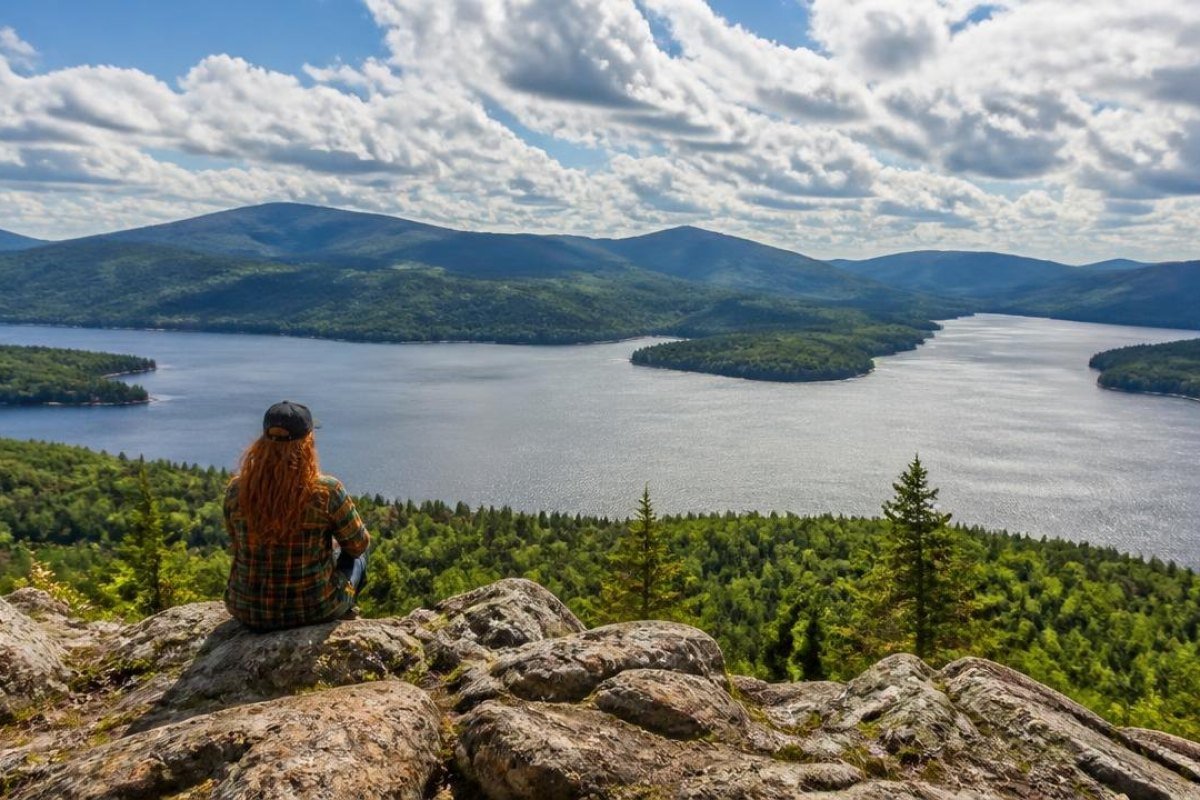
Western Maine offers a quieter alternative to the better-known coastal route. Around Bethel, Rangeley, and the Lakes Region, you can find mountain viewpoints, clear lakes, and four-season recreation without the same concentration of summer visitors.
Bethel makes a convenient base for scenic drives, hiking, and access to nearby mountain areas. Rangeley is especially appealing for paddling, fishing, fall foliage, and wildlife observation. The region’s landscape rewards travelers who leave room for unplanned stops at overlooks, roadside farm stands, and small-town cafés.
Outdoor conditions can vary by elevation and season. Check trail reports, weather forecasts, road conditions, and any local restrictions before beginning a hike or heading onto the water.
Visit Freeport for Shopping and Coastal Access
Freeport is best known for its extensive shopping, but it can also serve as a practical base for exploring southern Maine. Alongside outlet shopping, independent boutiques, and local restaurants, the town provides access to nearby nature preserves and coastal communities.
Combine a visit to Freeport with a walk at Wolfe’s Neck Woods State Park, where forest trails and Casco Bay scenery create an easy outdoor break. The area is well suited to travelers who want to mix shopping with a short nature experience rather than plan a full hiking day.
Freeport can become busy during weekends and holiday periods. Parking policies, store hours, and seasonal events may change, so check current information when building your itinerary.
Try Maine Seafood Beyond Lobster Rolls
Maine’s food culture is broader than its famous lobster roll. Look for fresh oysters, local mussels, blueberries, and seasonal produce at restaurants, markets, and farm stands across the state.
Portland is the strongest choice for a wide variety of dining styles, while smaller coastal towns offer the atmosphere of harbor restaurants and family-run seafood shacks. Inland communities often highlight freshwater fish, game, local dairy, and ingredients from nearby farms.
For a more hands-on experience, consider an oyster farm tour, a lobster boat excursion, or a cooking-focused activity. Availability is seasonal, and reservations may be necessary during the busiest months.
Plan a Scenic Maine Road Trip
Maine is large enough that trying to see the entire state in a few days can lead to long driving days. A better approach is to choose a regional focus, much like planning a trip by region, such as Greater Portland, the Midcoast, the western mountains, or the Katahdin region.
A coastal itinerary might connect Portland, Freeport, Boothbay, Camden, and Rockland. An inland route could combine Bethel, Rangeley, Moosehead Lake, and the Katahdin area. Allow extra time for scenic roads, ferry crossings, weather delays, and spontaneous stops.
Rental cars are useful for most Maine itineraries, particularly outside Portland. In remote areas, mobile coverage and services may be limited. Download maps, carry water, keep the fuel tank comfortably filled, and check road conditions before traveling into less developed regions.
Choose the Best Time to Visit
Summer brings the most reliable combination of warm weather, open attractions, and outdoor activities, but it is also the busiest season. Early autumn offers colorful forests, cooler hiking weather, and strong demand for lodging, especially during peak foliage periods.
Late spring can be peaceful, though some seasonal businesses and tours may not yet be operating on their full schedules. Winter transforms Maine into a destination for skiing, snowshoeing, ice fishing, and snowmobiling, but travelers should prepare for shorter daylight hours and variable road conditions.
Whenever you visit, verify current opening dates, ferry schedules, attraction access, trail conditions, and accommodation availability before departure.
Build a More Complete Maine Itinerary
The best Maine trip does not need to revolve around one famous park. Pair coastal towns with inland wilderness, add a few maritime experiences, and leave enough time to enjoy the state at a slower pace.
For a first visit beyond Acadia, Portland and the Casco Bay area make an easy introduction. Add Camden or Rockland for Midcoast scenery, then choose either the western mountains, Moosehead Lake, or Baxter State Park for a deeper encounter with Maine’s forests and highlands.
Above all, travel with flexibility. Maine’s strongest moments often come from a quiet harbor at low tide, a sudden view from a mountain road, or an unplanned conversation in a small town.