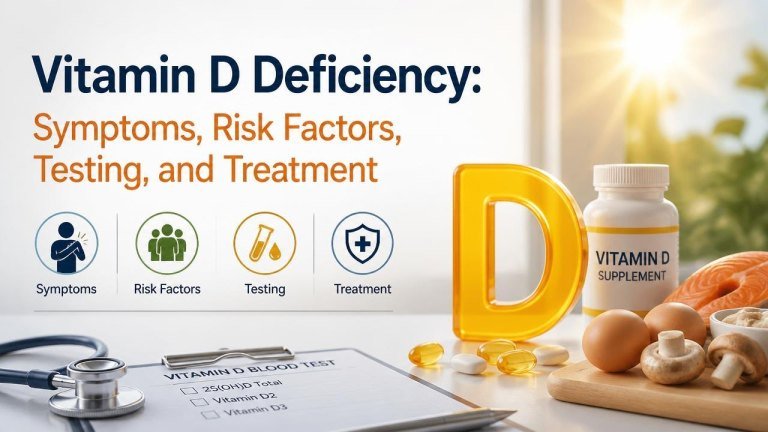
Vitamin D helps the body absorb calcium, maintain healthy bones, and support normal muscle and immune function. A deficiency can develop gradually and may cause no obvious symptoms, so understanding the warning signs and risk factors is important.
What Is Vitamin D Deficiency?
Vitamin D deficiency occurs when the body does not have enough vitamin D to support normal physiological functions. The body produces vitamin D after sunlight exposure, and it also comes from certain foods and supplements. The liver and kidneys convert it into forms the body can use.
Low vitamin D can affect bone strength and muscle function. Severe or prolonged deficiency may contribute to weakened bones, including rickets in children and osteomalacia in adults.
Common Symptoms of Low Vitamin D
Some people with low vitamin D have no noticeable symptoms. When symptoms do occur, they may be mild, persistent, and easy to confuse with other health conditions. Common concerns include fatigue, muscle weakness, and bone discomfort.
- Tiredness or reduced energy
- Muscle aches, cramps, or weakness
- Bone or lower-back pain
- Difficulty recovering from physical activity
- More frequent infections, although this is not specific to vitamin D deficiency
Symptoms alone cannot confirm a deficiency. Persistent pain, weakness, or fatigue should be assessed by a healthcare professional because many conditions can cause similar problems.
Who Is at Risk?
Vitamin D deficiency can affect people of any age, but certain circumstances make it more likely. Risk may increase with limited sun exposure, darker skin pigmentation, or conditions that reduce nutrient absorption.
Lifestyle and Environmental Factors
People who spend little time outdoors, wear clothing that covers most of the skin, or consistently use strong sun protection may produce less vitamin D. This does not mean avoiding sun protection; protecting the skin remains important.
Living in regions with limited sunlight during parts of the year may also contribute. Indoor lifestyles and working night shifts can further reduce regular exposure to daylight.
Medical and Dietary Factors
Some medical conditions and treatments can interfere with vitamin D production, absorption, or metabolism. Examples include malabsorption disorders, kidney disease, and liver disease. Certain medicines may also affect vitamin D levels.
People with limited dietary intake, obesity, or a history of weight-loss surgery may have a higher risk. Infants, older adults, and people with conditions affecting bone health may require individualized medical guidance.
How Vitamin D Deficiency Is Diagnosed
The usual test is a blood test measuring 25-hydroxyvitamin D, also called 25(OH)D. A clinician interprets the result according to the laboratory’s reference range, the person’s health history, and overall risk.
Testing is not necessary for everyone. A healthcare professional may recommend it when symptoms, risk factors, bone problems, or another medical concern make testing useful. Additional tests may be considered to evaluate calcium, kidney function, or related conditions.
Do not interpret a result in isolation. Vitamin D targets and treatment decisions can vary, especially for people who are pregnant, have kidney disease, or take medicines that affect calcium or bone metabolism.
Treatment and Safe Supplement Use
Treatment depends on the severity of the deficiency, its cause, and a person’s medical needs. A clinician may recommend vitamin D supplements, dietary changes, or treatment for an underlying absorption problem.
Food Sources
Useful dietary sources may include fatty fish, egg yolks, and fortified foods such as some milks, plant-based drinks, and cereals. Food choices should fit the person’s dietary pattern and any other health requirements.
Supplements
Vitamin D supplements are available in different forms and strengths. The appropriate dose depends on the blood level, age, health conditions, and treatment plan. Taking very high doses without medical advice can cause excess calcium, nausea, vomiting, constipation, confusion, or kidney problems.
Follow the recommended dose and ask a healthcare professional or pharmacist about interactions with other medicines or supplements. Follow-up testing may be advised after treatment to determine whether the level has improved safely.
Sunlight and Skin Protection
The body can make vitamin D through exposure to sunlight, but the amount varies with season, location, skin tone, age, clothing, and other factors. Deliberate unprotected exposure increases the risk of skin damage and skin cancer, so sunlight should not be used as a substitute for professional advice or safe nutrition.
Can Vitamin D Deficiency Be Prevented?
Prevention usually involves a balanced diet, appropriate fortified foods, and supplements when recommended. A practical plan should consider dietary intake, individual risk, and medical guidance rather than relying on a one-size-fits-all dose.
People at higher risk should discuss prevention with a clinician, particularly infants, older adults, pregnant individuals, and anyone with a digestive, liver, kidney, or bone-related condition.
When to Speak With a Healthcare Professional
Arrange medical advice for ongoing fatigue, unexplained muscle weakness, persistent bone pain, repeated fractures, or concerns about a possible deficiency. Seek prompt care for severe weakness, confusion, vomiting, or symptoms after taking unusually large amounts of vitamin D.
A healthcare professional can assess symptoms, review medications and diet, decide whether testing is appropriate, and create a safe treatment plan based on the underlying cause.
This article is for general education and does not replace personalized medical advice, diagnosis, or treatment.