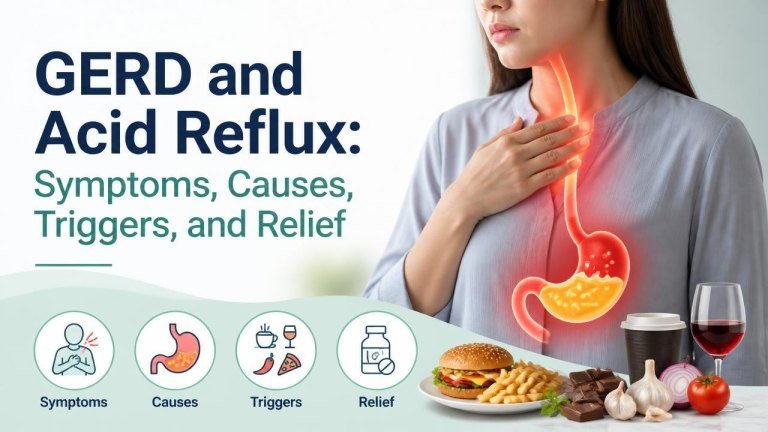
GERD and Acid Reflux: Symptoms, Causes, Triggers, and Relief
Acid reflux happens when stomach contents flow back into the esophagus, the tube connecting your mouth and stomach. Occasional reflux is common, but frequent or troublesome symptoms may indicate gastroesophageal reflux disease (GERD). Understanding the difference can help you identify patterns, make practical lifestyle changes, and know when to seek medical advice.
What Are Acid Reflux and GERD?
Acid reflux is the backward movement of stomach acid or other stomach contents into the esophagus. A ring of muscle called the lower esophageal sphincter normally helps keep stomach contents where they belong. If it relaxes too often or does not close effectively, reflux can occur.
GERD is a longer-term condition in which reflux repeatedly causes symptoms or irritation. Occasional heartburn does not always mean you have GERD, but persistent symptoms deserve attention, especially when they interfere with sleep, eating, or daily activities.
Common Symptoms of GERD and Acid Reflux
Symptoms can vary from person to person. The most familiar signs include:
- Heartburn, a burning feeling behind the breastbone
- A sour or bitter taste in the mouth
- Regurgitation of food or liquid
- Chest or upper-abdominal discomfort
- Symptoms that become worse after meals, when bending over, or when lying down
Some people experience less typical symptoms, including a chronic cough, hoarseness, throat irritation, frequent throat clearing, or a sensation of a lump in the throat. These symptoms can have many possible causes, so they should not automatically be attributed to reflux.
GERD Warning Signs That Need Medical Attention
Seek prompt medical care for trouble swallowing, painful swallowing, repeated vomiting, vomiting blood, black or tarry stools, unexplained weight loss, or persistent symptoms that do not improve. Chest pain can have several causes. If it is severe, new, or accompanied by shortness of breath, sweating, dizziness, or pain spreading to the arm, jaw, back, or neck, seek emergency help rather than assuming it is heartburn.
Children, pregnant people, older adults, and anyone with other medical conditions may need individualized advice. A clinician can assess the symptoms and determine whether testing or treatment is appropriate.
Common Causes and Risk Factors
GERD usually results from a combination of factors rather than one single cause. A weakened or frequently relaxed lower esophageal sphincter can allow stomach contents to move upward. Other contributing factors may include:
- Being overweight or having increased abdominal pressure
- A hiatal hernia
- Pregnancy
- Delayed stomach emptying
- Smoking or exposure to tobacco smoke
- Some medicines, which may affect the esophageal sphincter or irritate the digestive tract
Do not stop a prescribed medicine without speaking with the prescriber. If you suspect a medication is worsening reflux, ask about possible alternatives or timing changes.

Foods and Habits That May Trigger Reflux
Triggers differ, but many people notice symptoms after large meals or particular foods. Commonly reported triggers include:
- Fatty or fried foods
- Spicy foods
- Chocolate and peppermint
- Coffee and other caffeinated drinks
- Alcohol
- Tomatoes and citrus fruits
- Carbonated drinks
A trigger is not automatically a food you must avoid forever. Keep a simple food and symptom diary for a short period to identify personal patterns. Avoid removing many foods at once unless a qualified health professional recommends it.
Practical Relief Strategies
Small, consistent changes may reduce symptoms for some people:
- Eat smaller meals and avoid overeating.
- Remain upright for at least a few hours after eating.
- Raise the head of the bed if nighttime symptoms occur; placing a wedge under the upper body is generally more effective than using extra pillows.
- Identify and reduce personal trigger foods rather than following an unnecessarily restrictive diet.
- Work toward a healthy weight if advised by a healthcare professional.
- Stop smoking and limit alcohol if either worsens symptoms.
- Choose comfortable clothing that does not place pressure on the abdomen.
Over-the-counter products may provide short-term relief. Antacids can neutralize acid, while other medicines reduce acid production or help protect the esophagus. Follow the label directions, check for drug interactions, and ask a pharmacist or clinician if symptoms are frequent, severe, or persistent.
When to Talk With a Healthcare Professional
Arrange an evaluation if symptoms occur regularly, wake you at night, return after treatment, or require frequent over-the-counter medicine. A clinician may review your history, examine possible contributing factors, and recommend tests such as an upper endoscopy or reflux monitoring when needed.
Effective treatment may involve lifestyle changes, medication, or both. In selected cases, procedures or surgery may be considered. The right approach depends on the cause, symptom pattern, medical history, and response to initial treatment.
Living More Comfortably With Reflux
Managing GERD is often about recognizing your own patterns rather than following a universal list of forbidden foods. Track meal timing, body position, stress, medicines, and symptoms to discover what affects you. Make one or two changes at a time so you can judge what helps.
Most importantly, do not ignore warning signs or persistent discomfort. A personalized medical assessment can distinguish routine reflux from other conditions and help you find a safe, sustainable plan for relief.
This article is for general educational purposes and is not a substitute for professional medical advice, diagnosis, or treatment.