A First-Time Guide to Rome: What to See, Eat, and Book Ahead
Rome rewards curiosity, but it can also overwhelm first-time visitors. Ancient ruins, Renaissance churches, lively piazzas, and excellent food often sit within the same walk. The best approach is to combine major landmarks with neighborhood wandering, generous meal breaks, and a realistic daily plan.
How to Plan Your First Visit
For a first trip, allow at least three full days if possible. One day can focus on Ancient Rome, another on the historic center, and a third on Vatican City and Trastevere. Rome is large, and crossing the city repeatedly can turn a sightseeing day into a transport day.
Plan no more than two major timed attractions in one day. Leave space for coffee, unexpected churches, small shops, and the slower rhythm of Roman streets. Comfortable shoes are essential: even central itineraries involve uneven paving, steps, and long walks.
What to See in Rome
The Colosseum, Roman Forum, and Palatine Hill
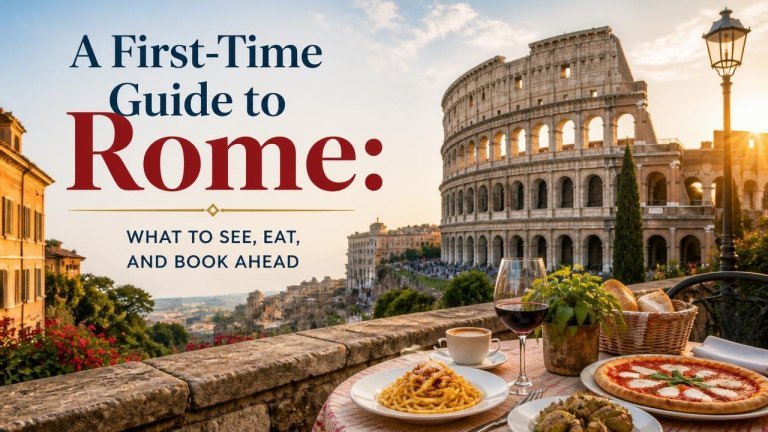
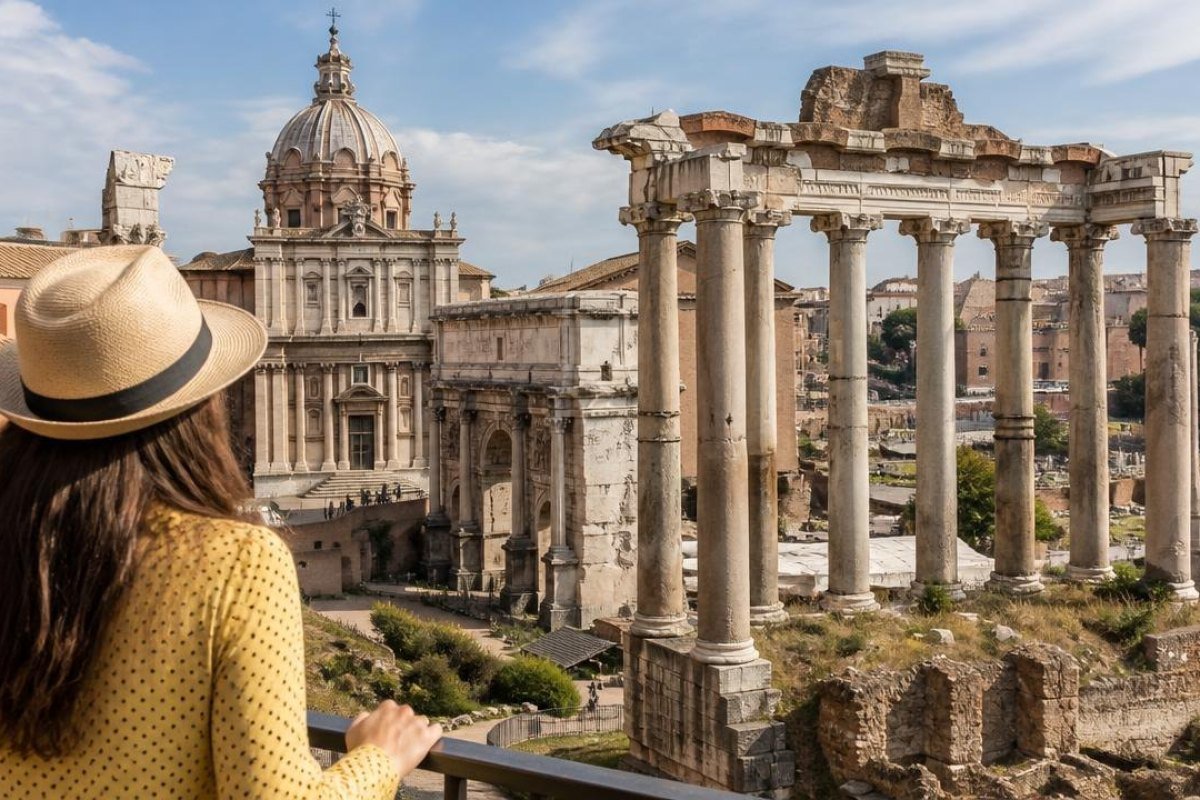
Begin with the city’s most famous archaeological area. The Colosseum introduces imperial Rome, while the Roman Forum reveals the political and religious center of the ancient city. The Palatine Hill adds elevated views and a quieter route through archaeological remains.
Entry to the Colosseum requires a reserved time slot, and official ticket sales generally open in advance rather than allowing unlimited walk-in access. Check the current availability and entry conditions before travelling. Build in several hours for the full archaeological park, especially in warm weather.
The Pantheon, Trevi Fountain, and Piazza Navona
These landmarks form an easy historic-center route. The Pantheon is one of Rome’s most remarkable surviving ancient buildings. Nearby, the Trevi Fountain is best experienced early in the morning or later in the evening, when the surrounding streets are usually calmer.
Continue toward Piazza Navona, known for its Baroque architecture, fountains, cafés, and street life. Do not rush between the sights: some of Rome’s best moments come from turning into a side street or entering a small church that was not on your original itinerary.
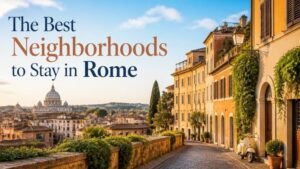
Vatican City and St Peter’s Basilica
The Vatican area deserves a dedicated half-day or full day. The Vatican Museums contain vast collections, while the Sistine Chapel is included within the museum visit. St Peter’s Basilica is a separate experience, and queues or security procedures may affect the timing.
Book the museums through the official ticketing channel whenever possible. Be especially careful with unofficial websites that resemble the official portal and may charge substantially more. Modest clothing is expected for visits to religious sites, and visitors should check current rules before departure.
Where to Wander: Rome’s Most Useful Neighborhoods
Monti
Close to the Colosseum, Monti combines archaeological sites with independent boutiques, wine bars, galleries, and casual restaurants. It is a convenient choice for a first evening after visiting Ancient Rome, and learning where to stay in Rome can help you choose a convenient base with a more local atmosphere than the busiest monument zones.
Trastevere
Across the Tiber, Trastevere is known for narrow lanes, ivy-covered façades, lively squares, and evening dining. Visit before dinner for a quieter walk, then stay for traditional Roman dishes or a relaxed aperitivo. The area is popular, so explore beyond the central streets for a less crowded experience.
Testaccio
Testaccio is one of the best areas for understanding Rome through food. Its strong neighborhood identity, markets, trattorias, and food traditions make it a worthwhile choice for lunch. It is also a good alternative when the historic center feels too crowded.
Prati and the Vatican Area
Prati is more orderly and spacious than many central districts, with elegant streets, shops, restaurants, and easy access to Vatican City. It can be a practical base for visitors who prefer a calmer evening setting while remaining close to major sights.
What to Eat in Rome
Roman cuisine is direct, generous, and built around a small number of strong ingredients. Look for seasonal menus, busy neighborhood dining rooms, and restaurants that explain dishes clearly rather than relying only on tourist menus.
Classic Roman Pasta
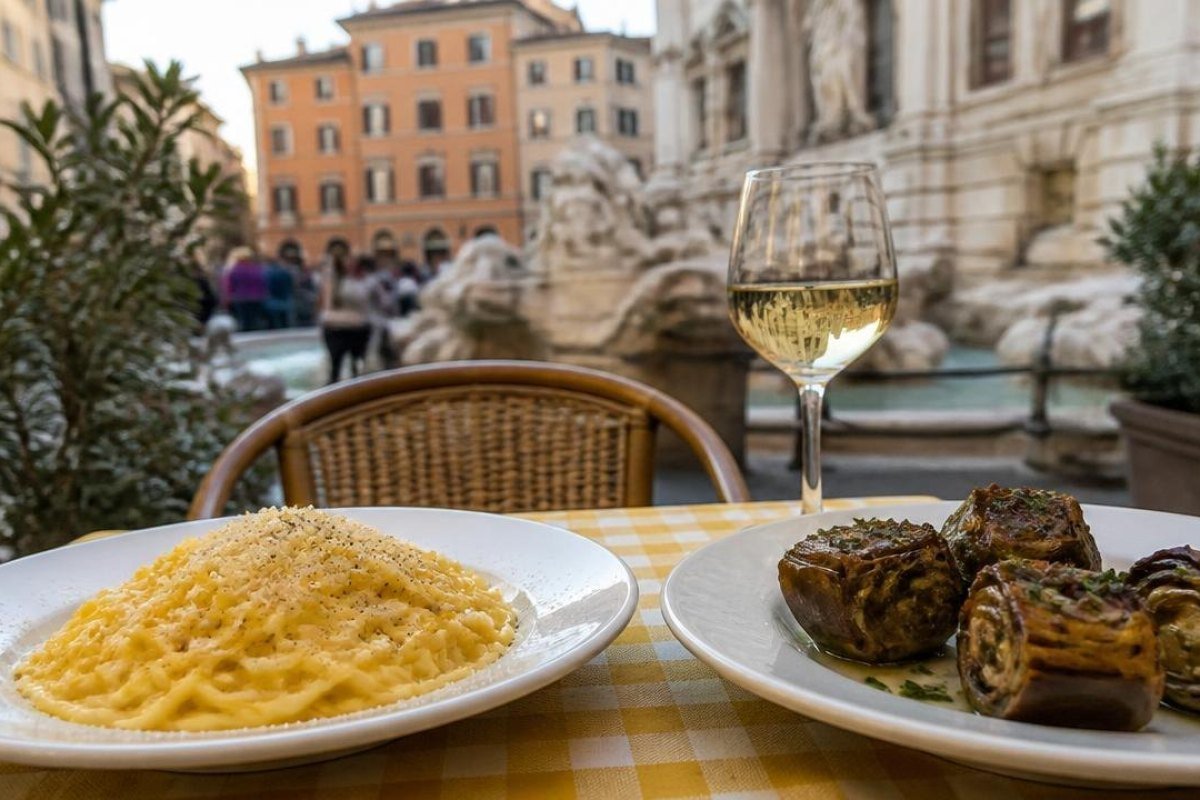
Try the city’s famous pasta traditions: cacio e pepe, carbonara, amatriciana, and gricia. Recipes vary by restaurant, but the best versions depend on properly cooked pasta, quality cheese, and a balanced sauce rather than excessive decoration.
Roman Street Food and Snacks
For a quick meal, look for supplì, fried rice croquettes filled with tomato and cheese, or a slice of pizza al taglio sold by weight. Roman-style pizza is often thin and crisp, while pizza al taglio is practical for an informal lunch between attractions.
More Roman Specialties
Other dishes worth seeking include carciofi, especially when in season, saltimbocca, and Roman-style artichokes or vegetables. Finish with gelato, but choose places where the flavors look naturally colored and are stored in covered containers rather than displayed in exaggerated mounds.
What to Book Ahead
Advance planning matters most for attractions with timed admission. Reserve the Colosseum and the Vatican Museums before arrival, particularly for weekends, school holidays, and the busiest travel months.
You may also want to book popular restaurants, guided tours, special underground areas, and major museum visits. Always confirm the cancellation policy, meeting point, identity requirements, and whether a ticket includes the attraction itself or only a guide service; a complete first-time guide can help you organize these details.
For other churches, piazzas, fountains, and outdoor viewpoints, advance booking is usually unnecessary. Instead, visit early, travel outside the busiest hours, and keep a flexible list of alternatives.
Getting Around Rome
Central Rome is best explored on foot, with public transport used for longer connections. The city’s integrated transport network includes metro lines, buses, trams, and selected urban rail services. Check the current ticket options and validation rules before using the network.
Do not assume that every journey is faster by metro. A short bus ride can be affected by traffic, while some central destinations are quicker and more enjoyable to reach by walking. Taxis can be useful late at night or when carrying luggage, but use official ranks or authorized booking channels.
A Simple Three-Day Rome Itinerary
Day One: Ancient Rome and Monti
Start with the Colosseum, continue through the Roman Forum, and explore the Palatine Hill. Take a long lunch break in Monti, then walk along the Imperial Fora or visit a nearby church before dinner.
Day Two: Historic Center and Villa Borghese
Begin at the Pantheon, continue to Piazza Navona, and reach the Trevi Fountain. After lunch, walk toward the Spanish Steps and Villa Borghese. A viewpoint near the Pincio is a rewarding place to pause around sunset, following a 24-hour Rome itinerary if your visit is brief.
Day Three: Vatican City and Trastevere
Use the morning for the Vatican Museums and the Sistine Chapel, then visit St Peter’s Basilica if timing and queues allow. Cross the river later for Trastevere, where an evening walk and Roman dinner provide a relaxed finish.
Practical Tips for First-Time Visitors
- Carry a refillable water bottle; Rome has public drinking fountains throughout the city.
- Dress respectfully when visiting churches and Vatican sites.
- Keep phones and wallets secure in crowded areas and on busy transport.
- Wear shoes with good grip for uneven stone streets.
- Check official attraction pages for current hours, closures, ticket rules, and special access requirements.
- Leave time for rest: Rome is more enjoyable when you are not rushing from one reservation to the next.
Final Advice for a Better Rome Experience
The most successful first visit balances famous monuments, slow neighborhood walks, and memorable meals. Book the experiences that genuinely require reservations, but leave the rest of your schedule open. Rome is not a city to complete like a checklist; it is a city to absorb one piazza, church, meal, and ancient street at a time.