Prediabetes means blood sugar levels are higher than the healthy range but not yet high enough for a diagnosis of type 2 diabetes. It is a warning sign, but it is also an opportunity to make changes that may improve blood sugar control and protect long-term health.
What Is Prediabetes?
Prediabetes develops when the body does not use insulin effectively, a problem known as insulin resistance. The pancreas may initially produce more insulin to compensate, but blood glucose can gradually rise. Many people have no noticeable symptoms, which is why screening is important for people with risk factors.
Prediabetes does not guarantee that type 2 diabetes will develop. With early action, many people can lower their risk and improve their overall metabolic health.
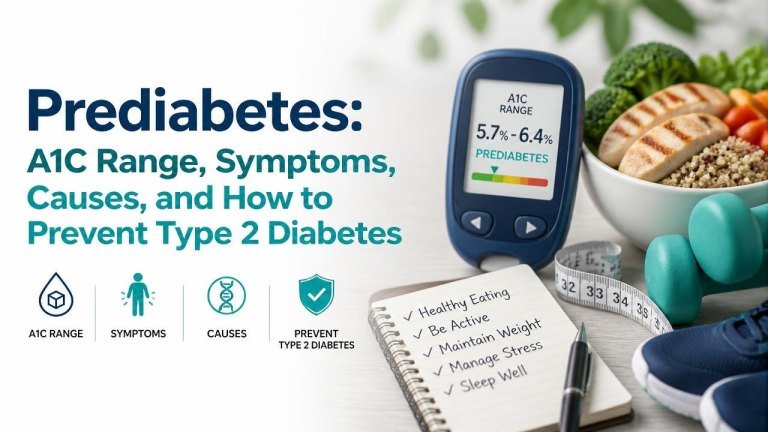
Prediabetes A1C Range
The A1C test estimates your average blood sugar level over roughly the previous two to three months. Commonly used A1C categories are:

- Below 5.7%: generally considered the usual range
- 5.7% to 6.4%: prediabetes range
- 6.5% or higher: diabetes range, usually requiring confirmation or additional evaluation
A1C results should be interpreted by a healthcare professional. Certain conditions, including some blood disorders, anemia, pregnancy, kidney disease, or recent blood loss, can affect the accuracy of the test. A clinician may recommend a repeat A1C or another blood glucose test before making a diagnosis.
Prediabetes Symptoms
Most people with prediabetes do not have clear symptoms. Blood sugar changes often develop gradually, so a person may feel well even while insulin resistance is increasing. Routine screening can identify the condition before more noticeable problems appear.
Some people may experience signs associated with elevated blood sugar, such as increased thirst, frequent urination, tiredness, blurred vision, or slow-healing cuts. These symptoms can have many causes, so they should not be used to diagnose prediabetes on their own.
Seek medical advice if symptoms are persistent, worsening, or accompanied by unexplained weight loss, vomiting, confusion, or severe weakness.
What Causes Prediabetes?
The main underlying issue is insulin resistance. When cells respond less effectively to insulin, glucose remains in the bloodstream instead of moving efficiently into cells for energy. Over time, the pancreas may struggle to keep up with the body’s insulin needs. Insulin resistance can also occur with polycystic ovary syndrome.
Prediabetes usually results from a combination of factors rather than one single cause. These can include:
- Family history of type 2 diabetes
- Limited physical activity
- Excess body weight, particularly around the abdomen
- High blood pressure or abnormal cholesterol levels
- A history of gestational diabetes
- Polycystic ovary syndrome
- Increasing age, although prediabetes can affect younger adults as well
Risk varies among individuals, and having one or more risk factors does not mean that diabetes is inevitable.

How to Prevent Type 2 Diabetes
Small, consistent changes can make a meaningful difference. The most effective approach combines balanced eating, regular movement, and appropriate medical follow-up.
Choose Meals That Support Healthy Blood Sugar
Build meals around fiber-rich foods, such as vegetables, beans, lentils, whole grains, nuts, and seeds. Include a source of protein and choose unsaturated fats when possible. Limiting sugary drinks, highly refined carbohydrates, and heavily processed foods can help reduce sharp blood sugar rises.
You do not need a perfect diet. Practical habits include drinking water instead of sweetened beverages, adding vegetables to meals, watching portion sizes, and choosing whole fruit more often than juice.
Increase Physical Activity
Regular activity helps muscles use glucose and can improve insulin sensitivity. Aim for a combination of moderate aerobic exercise, strength training, and less sitting during the day, based on your health and abilities.
Start gradually if you have been inactive. A short walk after meals, taking the stairs, or standing and moving regularly can be useful steps. Ask a healthcare professional for guidance before starting strenuous exercise if you have significant health concerns.
Work Toward a Healthy Weight
If weight loss is appropriate for you, even a modest and sustainable reduction may improve blood sugar control. Focus on habits you can maintain rather than rapid diets. A registered dietitian or healthcare professional can help create a plan that fits your preferences, culture, schedule, and medical needs.
Keep Up With Health Checks
Follow-up testing helps track whether blood sugar is improving, staying stable, or rising. Your clinician may also check blood pressure, cholesterol, kidney health, and other factors that influence diabetes risk.
When Should You Get Tested?
Talk with a healthcare professional about testing if you have diabetes risk factors, symptoms of high blood sugar, or a previous result in the prediabetes range. Testing may involve an A1C test, fasting blood glucose test, or oral glucose tolerance test.
People with a history of gestational diabetes or other significant risk factors may need closer monitoring. Your clinician can recommend the appropriate test and follow-up schedule.
The Bottom Line
Prediabetes is a common but important warning sign. Because it often causes few or no symptoms, testing is the best way to identify it. Understanding your A1C result, improving food and activity habits, and attending follow-up appointments can help reduce the risk of type 2 diabetes.
If you are concerned about your blood sugar, schedule an appointment rather than trying to interpret a result alone. Personalized medical advice is especially important during pregnancy or when other health conditions are present.