High blood pressure, also called hypertension, is a common condition in which blood pushes too strongly against artery walls over time. Because it often causes no noticeable symptoms, many people do not know they have it until a routine checkup or a complication brings it to attention.
Understanding your blood pressure numbers, possible causes, and treatment options can help you take timely steps to protect your heart, brain, kidneys, and blood vessels.
What Is High Blood Pressure?
Blood pressure is recorded with two numbers. The systolic pressure, the top number, measures pressure when the heart contracts. The diastolic pressure, the bottom number, measures pressure while the heart relaxes between beats.
Blood pressure can vary with activity, stress, illness, caffeine, medications, and the way the measurement is taken. A single high reading does not always confirm hypertension. Healthcare professionals usually consider repeated readings taken correctly over time.

Understanding Blood Pressure Numbers
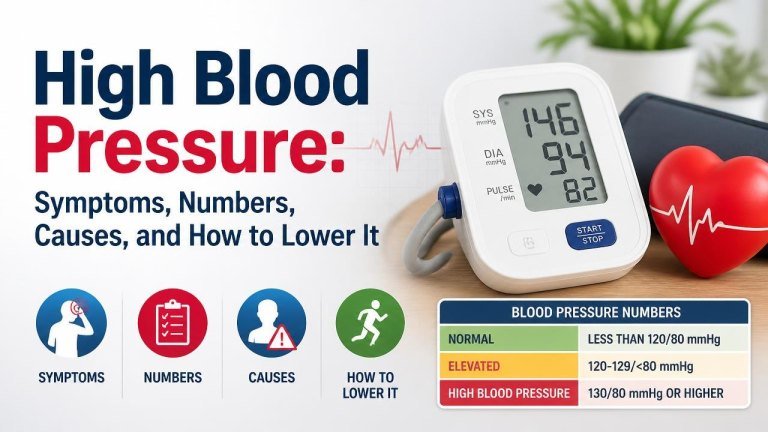
For many adults, a reading below 120/80 mm Hg is generally considered healthy. Categories can vary slightly between guidelines, so your clinician’s interpretation matters.
- Normal: Usually below 120/80 mm Hg.
- Elevated: The top number is higher than normal, while the bottom number remains below the hypertension range.
- High blood pressure: Repeated readings may fall into stage 1 or stage 2 hypertension, depending on the numbers and the guideline used.
- Severely high: A reading around 180/120 mm Hg or higher requires immediate attention, especially if symptoms are present.
Ask a healthcare professional how your readings should be classified. Diagnosis may involve home monitoring, office measurements, or ambulatory monitoring over a longer period.
Does High Blood Pressure Cause Symptoms?
Most people with hypertension have no obvious symptoms. Headaches, dizziness, nosebleeds, or facial flushing can occur for many reasons and are not reliable ways to identify high blood pressure.
This is why regular checks are important, particularly if you have risk factors such as a family history, diabetes, kidney disease, obesity, a history of sleep apnea, or a history of cardiovascular disease.
When Symptoms May Signal an Emergency
Extremely high blood pressure can damage organs. Seek emergency medical help for a very high reading accompanied by chest pain, shortness of breath, severe headache, confusion, weakness, numbness, vision changes, or difficulty speaking.
If your reading is around 180/120 mm Hg or higher without symptoms, sit quietly and repeat it after a few minutes using proper technique. Contact a healthcare professional promptly if it remains that high. Do not delay emergency care when serious symptoms occur.
Common Causes and Risk Factors
Some hypertension has no single identifiable cause. This is often called primary or essential hypertension and may develop gradually through a combination of genetics, aging, lifestyle, and environmental factors.
Secondary hypertension is caused by another condition or substance. Possible contributors include kidney disease, sleep apnea, thyroid or adrenal disorders, pregnancy-related conditions, and certain medicines or supplements.
- High sodium intake and a diet low in potassium-rich foods
- Physical inactivity
- Excess alcohol use
- Smoking or nicotine exposure
- Long-term stress and poor sleep
- Overweight or obesity
- Some pain relievers, decongestants, hormonal medicines, and supplements
Never stop a prescribed medicine without medical advice. If you think a drug or supplement is affecting your blood pressure, ask a clinician or pharmacist about safer options.
How to Measure Blood Pressure Accurately
Accurate technique helps distinguish persistent hypertension from a temporary increase. Use a validated upper-arm monitor when possible and choose a cuff that fits correctly.

- Avoid exercise, smoking, and caffeine for about 30 minutes beforehand.
- Empty your bladder and rest quietly for at least five minutes.
- Sit with your back supported, feet flat on the floor, and legs uncrossed.
- Keep your arm supported at heart level and place the cuff on bare skin.
- Do not talk during the measurement. Take two readings about one minute apart and record them.
Sharing a log of morning and evening readings with your healthcare professional can help guide diagnosis and treatment.
How to Lower High Blood Pressure
Blood pressure often improves through a combination of lifestyle changes and, when needed, medication. Progress may take time, so focus on consistent habits rather than quick fixes.
Make Heart-Healthy Food Choices
Emphasize vegetables, fruit, beans, whole grains, nuts, seeds, fish, and lean protein. A dietary pattern such as DASH can support lower blood pressure by providing more fiber and potassium while reducing excess sodium and saturated fat.
Read food labels, limit highly processed foods, and season meals with herbs, spices, citrus, or vinegar instead of relying heavily on salt. If you have kidney disease or take certain medicines, ask about the safest amount of potassium.
Move More and Sit Less
Regular physical activity can improve heart fitness and help lower blood pressure. Aim for a gradual routine that may include brisk walking, cycling, swimming, strength exercises, or other activities you can maintain safely.
If you have been inactive or have a health condition such as sleep apnea, start gently and ask a healthcare professional how to exercise safely.
Address Weight, Alcohol, Sleep, and Tobacco
Even modest weight loss may help some people. Limiting alcohol, quitting tobacco, and improving sleep can also support better blood pressure control. If loud snoring, breathing pauses, or daytime sleepiness are present, ask about sleep apnea.
Stress-management practices such as paced breathing, mindfulness, counseling, time outdoors, and regular routines may help, especially when combined with other changes.
Take Prescribed Medication Correctly
Many people need medication in addition to lifestyle changes. Common options include diuretics, ACE inhibitors, angiotensin receptor blockers, calcium channel blockers, and other medicines selected according to individual needs.
Take medication as directed and report side effects rather than stopping suddenly. Your treatment plan may require dose adjustments, combination therapy, or monitoring of kidney function and electrolytes.
When to Contact a Healthcare Professional
Arrange a medical appointment if your readings are repeatedly above your recommended range, if you have risk factors, or if you are unsure how to use your monitor. Prompt evaluation is especially important during pregnancy or when hypertension appears suddenly.
Seek emergency care for severe blood pressure elevation with chest pain, breathing difficulty, neurological symptoms, severe confusion, or sudden vision changes.
The Bottom Line
High blood pressure is often silent, but it can gradually harm the body when untreated. Regular checks, accurate readings, healthier daily habits, and appropriate medication can make a meaningful difference. Work with a healthcare professional to create a plan based on your numbers and medical history, and personal goals.