Rome at a Glance for First-Time Visitors
Rome rewards travelers who balance iconic landmarks, slow neighborhood walks, and realistic daily planning. The historic center is compact enough to explore on foot, but the city is larger than it first appears, and major sights are spread between different areas.
For a first visit, allow at least three full days if you want to see the Colosseum, Roman Forum, Vatican Museums, historic fountains, major piazzas, and a few quieter neighborhoods without rushing constantly. Rome is especially enjoyable when you leave space for an unplanned church, café, market, or viewpoint.
Expect uneven cobblestones, busy crossings, occasional queues, and plenty of walking. Comfortable shoes, a refillable water bottle, and a flexible attitude will make a noticeable difference.

The Essential Rome Sights
A first-time itinerary should combine ancient Rome, Baroque city center, and Vatican City. Grouping nearby sights together saves time and helps you experience the city by area rather than zigzagging across it.

Colosseum, Roman Forum, and Palatine Hill
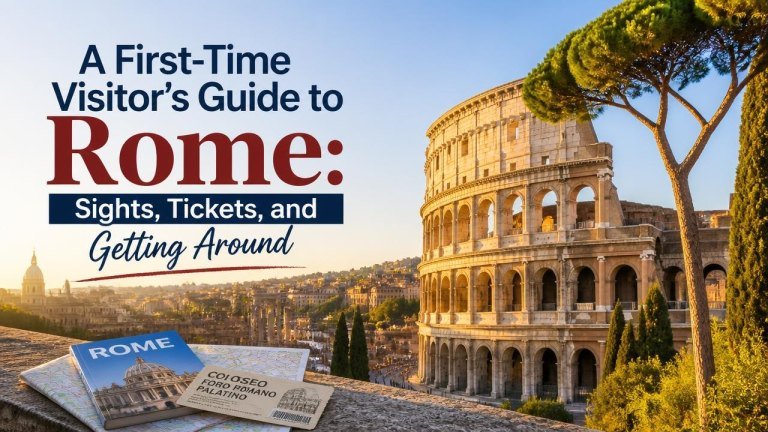
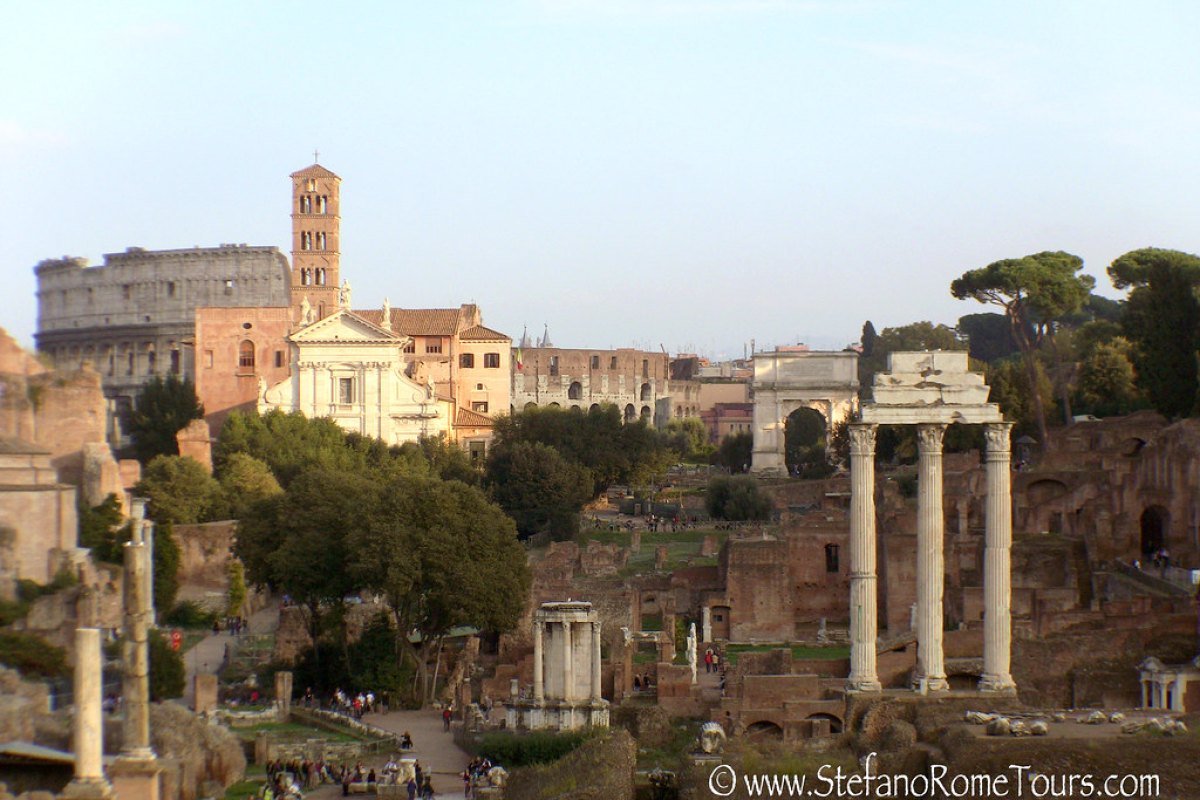
The Colosseum is Rome’s defining monument, but the surrounding archaeological area is just as important. A typical visit can include the Colosseum interior, Roman Forum ruins, and Palatine Hill viewpoints.
Official Colosseum tickets use timed entry, and the archaeological park’s ticket options differ depending on whether you want standard access, the arena, underground areas, or enhanced panoramic sections. Book through the official ticketing channel and check the exact inclusions before paying.
Tickets are released in advance, but availability and booking rules can change. Check the official Colosseum website close to your travel date, especially if you are visiting during a busy season or on a free-admission day.
Pantheon, Trevi Fountain, and Piazza Navona
These landmarks fit naturally into a central walking route. Begin at the Pantheon, continue toward Trevi Fountain, and finish around Piazza Navona and the surrounding streets.
The Pantheon is a functioning place of worship as well as a historic monument, so modest clothing and respectful behavior are appropriate. Access arrangements, religious services, and ticket requirements may vary, so check current information before visiting.
Trevi Fountain is usually busiest during the middle of the day. Visit early in the morning or later in the evening for a calmer atmosphere, while remembering that visitor-access rules around the fountain can be updated by the city.
Vatican Museums, Sistine Chapel, and St Peter’s Basilica
The Vatican area requires separate planning because it can involve timed museum entry, security screening, and long walking distances indoors. The Vatican Museums contain the Sistine Chapel, but St Peter’s Basilica has its own access arrangements.
Buy Vatican Museums tickets only through the official museum ticket portal. The museums publish opening days, closing dates, final-entry times, and special arrangements that can change during the year.
Do not assume that a Vatican Museums ticket automatically includes every part of the basilica complex. Check what your booking covers, follow the dress code, and allow extra time for security and navigating the large museum route.
Capitoline Hill and the Historic Center
For a more manageable museum visit, consider the Capitoline Museums, then walk toward the Imperial Fora and Via del Corso. This area combines archaeology, grand civic architecture, churches, shopping streets, and excellent viewpoints.
Other worthwhile first-visit stops include the Spanish Steps, Piazza del Popolo, Campo de’ Fiori, and the churches around Piazza della Minerva. You do not need to enter every attraction to appreciate Rome; some of the city’s strongest experiences happen outdoors.
How to Plan Your Rome Tickets
Rome is easier when you separate must-book attractions, walk-in possibilities, and flexible sightseeing. Booking everything too tightly can make the trip stressful, while leaving major attractions until the last minute can result in poor time slots or no availability.
Reserve the Colosseum and Vatican Museums ahead of time whenever possible. For smaller museums and churches, check the individual attraction’s current rules rather than relying on an old guidebook or third-party listing, and follow this Rome booking advice.
Be cautious with unofficial ticket sellers. Some may add large booking fees, sell packages with unclear inclusions, or use confusingly similar website names. The safest approach is to begin with the attraction’s official website.
Is the Roma Pass Worth It?
The Roma Pass may be useful if you plan to visit several participating sites and use Rome’s public transport, included museum benefits, and discounted admissions. It is available in different durations, and its exact attractions and conditions should be checked before purchase.
Compare the pass with your actual itinerary. It may offer good value for a museum-focused trip, but it is not automatically the best choice if you mainly plan to walk, visit free churches, or enter attractions that are not covered.
Remember that a city pass does not necessarily replace a timed reservation. Some popular attractions may still require advance booking even when you have a pass.
Getting Around Rome
Most visitors use a combination of walking, Metro travel, and buses or trams. Rome’s historic center is often best explored on foot, while public transport is useful for reaching the Vatican, Termini, Trastevere, Testaccio, and areas beyond the central monuments.
The Metro is simple to understand, but it does not reach every historic sight. Buses can be useful but may be affected by traffic, roadworks, demonstrations, or changing routes. Allow extra time when you have a timed museum reservation.
ATAC tickets and contactless payment options are subject to current operating rules. Buy or validate tickets as required, and check the official transport authority for the latest fares, accepted payment methods, disruptions, and route information in this complete Rome guide.
Arriving from Fiumicino or Ciampino Airport
From Fiumicino, travelers commonly choose between airport rail connections, regional transport, and licensed taxis. From Ciampino, options generally include buses, combined bus-and-rail journeys, and taxis.
Your best choice depends on your arrival time, luggage, accommodation location, and comfort with transfers. If you arrive late or stay far from a rail station, a licensed taxi may be more convenient than a cheaper route with several changes.
Check current airport transport information shortly before departure because schedules, ticket arrangements, and operating details can change.
Walking, Taxis, and Accessibility
Rome is highly walkable in the central areas, but cobblestones, steep streets, and crowded pavements can be challenging. Plan shorter routes, pause regularly, and avoid assuming that two attractions are close simply because they appear near each other on a map.
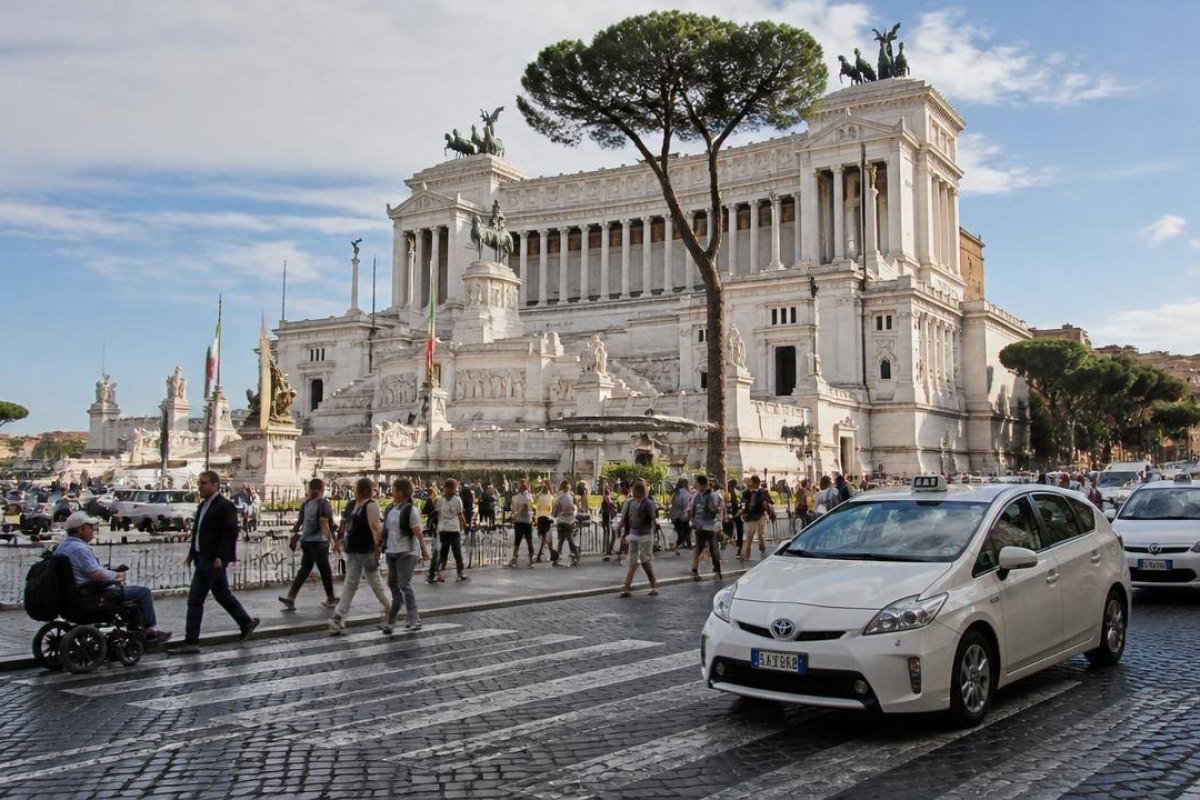
Use official or clearly licensed taxis and confirm the destination before starting the journey. Ride-hailing availability and pricing can vary, so do not rely on one app as your only option.
Travelers with mobility needs should check accessibility information for each attraction and transport route in advance. Historic buildings may have lifts, alternative entrances, or restricted areas, but arrangements are not identical everywhere.
Where to Stay in Rome
The best base depends on whether you value central sightseeing, nightlife and restaurants, or easy transport connections. There is no single perfect neighborhood for every visitor.
Where to stay in Rome is a key part of planning: Centro Storico is convenient for walking to the Pantheon, Piazza Navona, Trevi Fountain, and the Spanish Steps. Monti is close to the Colosseum and has a lively local dining scene. Trastevere is atmospheric and popular in the evening, although some streets can be noisy.
Prati is convenient for the Vatican and generally feels more residential, while Termini is practical for transport connections and often offers a wide range of accommodation. Before booking, check the exact street, late-night noise, luggage access, and distance to a Metro or major bus stop.
Eating and Drinking in Rome
Rome’s food culture is built around simple ingredients, traditional pasta dishes, and long meals. Try Roman classics such as carbonara, cacio e pepe, amatriciana, supplì, and Roman-style pizza, but explore beyond the most famous streets.
Look for menus that reflect the season and restaurants with a steady local flow rather than choosing solely from large photographs outside. Reservations can help at popular restaurants, especially for dinner and weekends.
For a relaxed break, combine sightseeing with a coffee at the bar, a market visit, or an aperitivo. Remember that sitting at a table may cost more than ordering at the counter, and menus should make charges clear.
A Practical Three-Day First-Timer Itinerary
A balanced three-day plan includes ancient monuments, Vatican highlights, and unstructured city time. Adjust the order according to ticket availability and the day of the week.
Day one: Explore the Colosseum, Roman Forum, and Palatine Hill in the morning. Spend the afternoon around Monti, the Imperial Fora, and Piazza Venezia.
Day two: Visit the Vatican Museums during a reserved time slot, then see St Peter’s Basilica if access conditions allow. Finish with Castel Sant’Angelo, Prati, or a quieter evening meal.
Day three: Walk through the Pantheon, Piazza Navona, Trevi Fountain, Spanish Steps, and Piazza del Popolo. Leave time for a church, museum, shopping street, or neighborhood that interests you most.
Helpful Tips for a Smoother Visit
Keep water with you, protect valuables in crowded areas, and wear shoes suitable for uneven surfaces. Rome has public drinking fountains, but carry a bottle so you can refill conveniently.
Dress respectfully when entering churches and religious sites. Cover shoulders and knees where required, and avoid planning a museum-heavy day immediately after a late night or a long travel day.
Use a small cross-body bag, keep phones secure near busy transport hubs, and be cautious of distractions in crowded tourist areas. If you need assistance, contact official tourist information points, transport staff, police, or the relevant attraction directly.
Above all, do not measure your trip by the number of monuments completed. Rome is best remembered through a combination of famous sights, quiet streets, and unexpected discoveries.