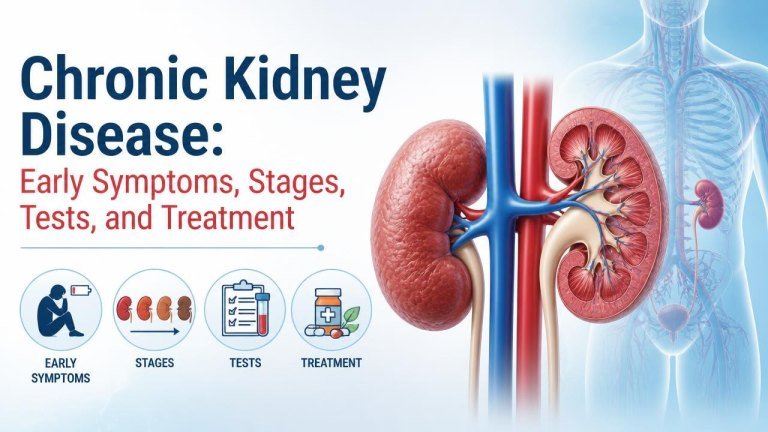
Chronic kidney disease (CKD) is a long-term condition in which the kidneys gradually lose their ability to filter waste and extra fluid from the blood. Because kidney damage may develop quietly, understanding the warning signs, tests, stages, and treatment options can support earlier care.
This guide explains what CKD means and how it is usually evaluated. If you have concerning symptoms or risk factors, speak with a qualified healthcare professional rather than relying on online information alone.
What Is Chronic Kidney Disease?
Healthy kidneys filter the blood, remove waste products, balance fluids and minerals, and help regulate blood pressure and red blood cell production. CKD occurs when kidney structure or function remains abnormal over time. The condition may worsen slowly, although the pace varies from person to person.
Common causes include diabetes, high blood pressure, inherited kidney disorders, autoimmune diseases, repeated kidney infections, and conditions that obstruct urine flow. Some medicines and other health problems may also affect kidney function, so an accurate medical assessment is important.
Early Symptoms of Chronic Kidney Disease
Early CKD often causes no noticeable symptoms. Many people discover it through routine blood or urine testing. This is why people with diabetes, high blood pressure, heart disease, or a family history of kidney disease may need regular screening.
As kidney function changes, possible symptoms can include:
- Swelling in the ankles, feet, hands, or around the eyes
- Changes in urination, such as increased frequency, foamy urine, blood in the urine, or urinating more at night
- Fatigue, weakness, or difficulty concentrating
- Nausea, reduced appetite, or an unpleasant taste in the mouth
- Dry, itchy skin or muscle cramps
- Shortness of breath, particularly when fluid builds up
These symptoms can have many causes and do not confirm CKD. Sudden severe shortness of breath, chest pain, confusion, very little urine, or rapidly worsening swelling requires urgent medical attention.
Stages of Chronic Kidney Disease
CKD is commonly classified using the estimated glomerular filtration rate (eGFR), a measure of how well the kidneys filter blood. Doctors also consider urine protein, the underlying cause, symptoms, and whether kidney function is changing over time.
Stage 1: Normal or High eGFR With Evidence of Kidney Damage
At this stage, eGFR is generally 90 or higher, but tests may show kidney damage, such as albumin in the urine or an abnormal imaging result. Early care focuses on finding the cause and protecting kidney function.
Stage 2: Mildly Reduced eGFR
An eGFR of about 60 to 89 may indicate stage 2 when other evidence of kidney damage is present. Blood pressure control, healthy habits, and monitoring can help reduce the risk of progression.
Stage 3: Moderately Reduced eGFR
Stage 3 is often divided into 3a and 3b. eGFR is approximately 30 to 59, and symptoms may begin to appear. Healthcare professionals may monitor anemia, mineral balance, blood pressure, medication safety, and cardiovascular risk more closely.
Stage 4: Severely Reduced eGFR
With an eGFR of about 15 to 29, kidney function is severely reduced. A kidney specialist may discuss future treatment planning, dietary needs, and options such as dialysis or transplantation if kidney failure develops.
Stage 5: Kidney Failure
Stage 5 generally means an eGFR below 15 or treatment with dialysis. The kidneys can no longer adequately remove waste and fluid, so care may involve dialysis, a kidney transplant, or a personalized supportive-care plan.
Tests Used to Diagnose Chronic Kidney Disease
Doctors usually combine blood tests, urine tests, medical history, and physical examination. A single abnormal result may not establish chronic disease; repeat testing can help confirm whether a problem is persistent.

Blood Tests
A blood test measures creatinine, which is used to estimate eGFR. Clinicians may also check electrolytes, blood glucose, blood counts, cholesterol, and other markers to identify complications or possible causes.
Urine Tests
Urine testing can detect blood and protein. The urine albumin-to-creatinine ratio (uACR) helps measure albumin leakage, which may signal kidney damage even when eGFR is near the usual range.
Imaging and Other Evaluation
An ultrasound or other imaging study may identify blockages, cysts, stones, or changes in kidney size and structure. In selected cases, a specialist may recommend additional blood tests, genetic testing, or a kidney biopsy to clarify the diagnosis.
Chronic Kidney Disease Treatment
Treatment depends on the cause, stage, symptoms, and other health conditions. The main goals are to slow progression, reduce complications, and support quality of life.
Control Blood Pressure and Blood Sugar
Managing blood pressure and diabetes is central to kidney protection. Depending on the individual situation, clinicians may prescribe medicines that lower blood pressure and reduce protein loss in the urine. Diabetes treatment should be personalized to avoid both high and dangerously low blood sugar.
Use Kidney-Protective Medicines Safely
Some people may benefit from medicines that reduce kidney and cardiovascular risk, including certain drug classes selected by a clinician. Do not start, stop, or change treatment without advice. Nonsteroidal anti-inflammatory drugs and some supplements can be unsafe for people with reduced kidney function.
Follow an Individualized Lifestyle Plan
Helpful habits may include not smoking, maintaining a healthy weight, staying physically active, limiting excess sodium, and following a diet recommended by a healthcare professional. Fluid, protein, potassium, and phosphorus advice should be individualized rather than applied broadly.
Manage Complications
CKD can contribute to anemia, mineral and bone problems, swelling, high potassium, acidosis, and cardiovascular disease. Treatment may include dietary changes, prescription medicines, iron or other therapies, and regular monitoring.
When Is Dialysis or a Transplant Considered?
Dialysis or transplantation is usually considered when kidney failure causes severe symptoms or the kidneys can no longer maintain the body’s fluid and chemical balance. The decision is based on symptoms, laboratory results, overall health, and personal preferences—not on one eGFR value alone.
Early discussion with a kidney specialist can allow time to learn about hemodialysis, peritoneal dialysis, transplantation, and supportive care. Planning ahead may make future choices less stressful if kidney function continues to decline.
How to Protect Kidney Health
Practical steps include keeping medical appointments, taking medicines as prescribed, monitoring blood pressure, managing diabetes, avoiding tobacco, and asking before using over-the-counter pain medicines or herbal products. Regular testing is especially important when you have diabetes, high blood pressure, cardiovascular disease, or a family history of CKD.
Ask your healthcare professional how often you need blood and urine tests. Reporting new swelling, urine changes, persistent fatigue, or worsening nausea can help identify complications sooner.
Key Takeaway
Chronic kidney disease may be silent in its early stages, but routine blood tests, urine tests, and risk-factor management can help detect and address it earlier. Treatment focuses on the underlying cause, protecting remaining kidney function, managing complications, and planning appropriate care if kidney failure develops.
This article is for general education and does not replace diagnosis or treatment from a qualified healthcare professional.