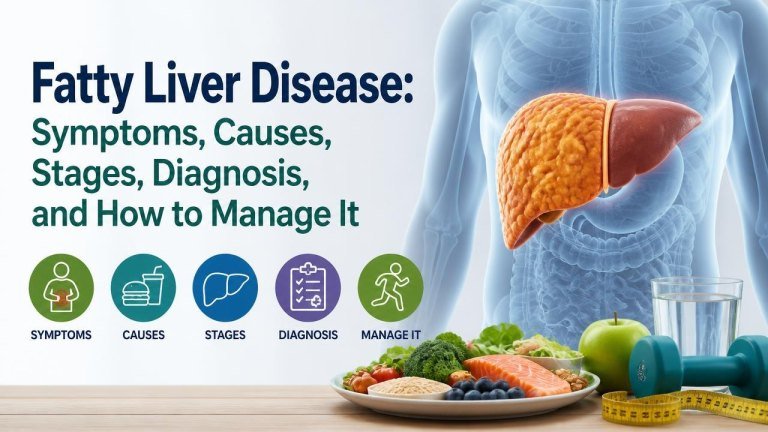
Fatty liver disease occurs when excess fat builds up in the liver. A small amount of fat may be harmless, but significant accumulation can lead to inflammation, scarring, and impaired liver function. Because early disease often causes no noticeable symptoms, understanding the risk factors and recommended tests is important.
What Is Fatty Liver Disease?
Fatty liver disease means the liver contains more fat than it should. The two broad categories are metabolic dysfunction-associated steatotic liver disease (MASLD), which is linked to metabolic health, and alcohol-associated liver disease, which is related to alcohol use. Some people have more than one contributing factor.
The liver supports digestion, blood-sugar regulation, medication processing, and removal of waste products. Fat accumulation does not always cause immediate damage, but ongoing inflammation can gradually produce fibrosis, or scar tissue, and may eventually affect liver function.
Symptoms of Fatty Liver Disease
Many people have no symptoms in the early stages. Fatty liver may be discovered after routine blood tests or imaging performed for another reason.
When symptoms do occur, they may include:
- Persistent tiredness or low energy
- Discomfort or a dull ache in the upper-right abdomen
- Reduced appetite or a general feeling of being unwell
- Unexplained weight loss in more advanced disease
Signs such as yellowing of the skin or eyes, abdominal swelling, vomiting blood, confusion, severe itching, or black stools can indicate serious liver complications. Seek urgent medical attention if these symptoms appear.
What Causes Fatty Liver Disease?
Fatty liver usually develops through a combination of genetic, metabolic, lifestyle, and medical factors. Important contributors include overweight or obesity, insulin resistance, type 2 diabetes, high triglycerides, and abnormal cholesterol levels.
Other possible causes and risk factors include:
- Regular heavy alcohol use
- A diet high in added sugar, refined carbohydrates, or excess calories
- Limited physical activity
- Some medicines or inherited conditions
- Rapid weight loss or poor nutrition
- Sleep-related breathing disorders and other metabolic conditions
Having one risk factor does not guarantee liver disease, and people without obvious risk factors can still develop it. A clinician can help identify the most likely cause.
Stages of Fatty Liver Disease
Fatty liver disease can range from simple fat accumulation to advanced scarring. The course is not identical for everyone, and progression may be slowed or reversed when the underlying causes are addressed.
1. Steatosis
In simple steatosis, fat builds up in the liver without clear evidence of significant inflammation or permanent damage. This stage may be reversible, especially when a person improves metabolic health, limits alcohol when appropriate, and follows individualized medical advice.
2. Steatohepatitis
Steatohepatitis occurs when fat accumulation is accompanied by liver inflammation and cell injury. This can be associated with tiredness or abdominal discomfort, although many people still have no symptoms. Blood tests, imaging, and sometimes a biopsy may help assess the condition.
3. Fibrosis and Cirrhosis
Long-term inflammation can cause fibrosis, in which scar tissue replaces healthy liver tissue. Advanced fibrosis may progress to cirrhosis, which can cause portal hypertension, fluid buildup, bleeding problems, liver failure, or an increased risk of liver cancer. Early assessment is valuable because advanced scarring may not be fully reversible.
How Fatty Liver Disease Is Diagnosed
Diagnosis usually combines a medical history, physical examination, blood tests, and imaging. A clinician may ask about alcohol use, medications, weight changes, diabetes, and family history.
Common assessments include:
- Liver blood tests to look for signs of liver injury or impaired function
- Blood tests for diabetes, cholesterol, viral hepatitis, and other possible causes
- Ultrasound or other imaging to detect liver fat
- Elastography to estimate liver stiffness and possible scarring
- A liver biopsy in selected cases when the diagnosis or severity remains uncertain
Normal liver enzyme results do not always rule out meaningful disease. Ask a healthcare professional how your results fit together rather than relying on one test alone.
How to Manage Fatty Liver Disease
Management focuses on the underlying cause and the person’s overall health. For many people, gradual lifestyle changes can reduce liver fat and improve blood sugar, blood pressure, and cholesterol.
Build Sustainable Eating Habits
Choose a balanced eating pattern centered on vegetables, fruit, beans, whole grains, fish, nuts, and unsaturated fats. Reduce sugary drinks, highly processed foods, excess saturated fat, and large portions. Avoid crash diets; gradual, medically appropriate weight loss is generally safer and more sustainable.
Increase Physical Activity
Regular movement can benefit the liver even before major weight changes occur. Aim for a combination of aerobic activity and strength training when medically appropriate. Begin at a manageable level and increase gradually if you have been inactive.
Review Alcohol and Medicines
Alcohol can worsen liver injury, particularly when inflammation or scarring is present. Ask your clinician what limit, if any, is appropriate. Do not stop prescribed medicines without advice, but review all prescriptions, supplements, and herbal products because some may affect the liver.
Manage Related Health Conditions
Controlling diabetes, high blood pressure, cholesterol abnormalities, and sleep problems can support liver health. Your clinician may recommend follow-up blood tests, imaging, or specialist care based on your risk of fibrosis.
When to Speak With a Healthcare Professional
Arrange an evaluation if you have persistent abnormal liver tests, metabolic risk factors, regular heavy alcohol use, or symptoms that concern you. Prompt care is especially important for jaundice, severe abdominal swelling, confusion, vomiting blood, black stools, or sudden worsening health.
Fatty liver disease is often manageable, particularly when it is identified before substantial scarring develops. A personalized plan that addresses nutrition, activity, medications, and related conditions can help protect liver function over time.
Frequently Asked Questions
Can fatty liver disease be reversed?
Early fat accumulation may improve when its causes are addressed. The outlook depends on the amount of scarring, the underlying condition, alcohol exposure, and overall health. Advanced cirrhosis generally requires specialist monitoring.
Is fatty liver disease always caused by alcohol?
No. Fatty liver can develop without alcohol and is often associated with insulin resistance, excess body weight, diabetes, or abnormal blood fats. Alcohol-associated and metabolic forms can also occur together.
Can supplements cleanse the liver?
There is no reliable “cleanse” that removes liver fat. Some supplements may cause liver injury or interact with medicines. Discuss any supplement with a qualified healthcare professional before using it.