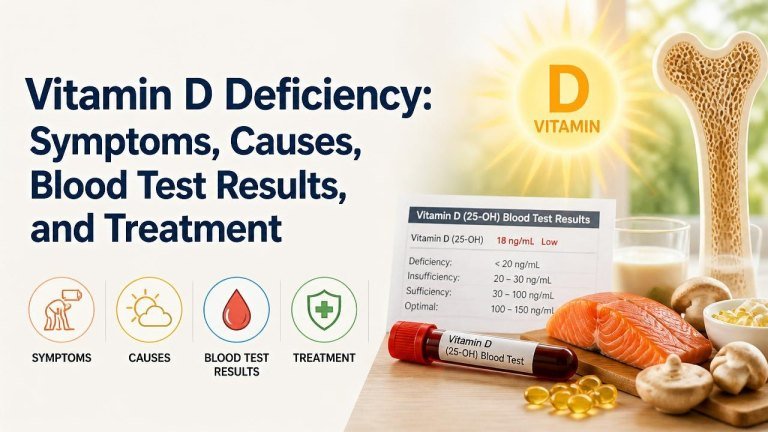
Vitamin D deficiency symptoms can affect bones, muscles, mood, and overall health. Some people have no obvious symptoms, while others notice persistent fatigue, muscle weakness, or bone discomfort. A blood test can help confirm low vitamin D levels and guide treatment.
What Is Vitamin D Deficiency?
Vitamin D helps the body absorb calcium and phosphorus, nutrients that support strong bones and teeth. It also contributes to normal muscle function and immune-system activity. Deficiency occurs when vitamin D levels remain too low to meet the body’s needs.
Low levels may develop gradually, so symptoms can be subtle. A healthcare professional may recommend testing when symptoms, medical history, or risk factors suggest a problem.
Vitamin D Deficiency Symptoms
Symptoms vary from person to person and may also be caused by other conditions. Common signs include ongoing fatigue, muscle weakness, and bone or muscle pain.
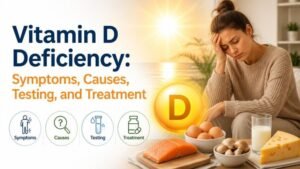
- Low energy or unusual tiredness
- Muscle aches, cramps, or weakness
- Bone discomfort, especially in the back, hips, or legs
- More frequent falls or difficulty climbing stairs
- Slow recovery from some illnesses
- Low mood or changes in general well-being
Severe or long-lasting deficiency can contribute to weak or soft bones. In children, it may affect bone growth and development. Symptoms alone cannot diagnose vitamin D deficiency, so testing is important when deficiency is suspected.
What Causes Low Vitamin D Levels?
Several factors can reduce vitamin D production, absorption, or availability. The most important contributors include limited sunlight exposure, poor absorption, and certain medical conditions.
Limited Sunlight Exposure
The skin can produce vitamin D after exposure to sunlight, but production varies with season, location, skin pigmentation, age, clothing, and sunscreen use. People who spend little time outdoors or receive limited sunlight may be at higher risk.
Dietary and Absorption Factors
Few foods naturally contain substantial vitamin D. Fatty fish, egg yolks, and fortified foods can contribute to intake, but dietary sources may not be enough for everyone. Conditions affecting the intestine, such as certain digestive disorders or surgery, can reduce nutrient absorption.
Medical Conditions and Medicines
Liver or kidney disease may interfere with vitamin D processing. Obesity can also affect vitamin D availability in the body. Some medicines, including certain anticonvulsants and other long-term treatments, may influence vitamin D metabolism. Discuss personal risk with a healthcare professional rather than stopping any prescribed medicine.
Vitamin D Blood Test Results
The usual test is a blood measurement called 25-hydroxyvitamin D, sometimes written as 25(OH)D. Results may be reported in ng/mL or nmol/L. Laboratories and professional organizations may use different reference ranges, so the result should be interpreted alongside the laboratory’s range and your overall health.
In general, a lower result suggests a greater likelihood of deficiency, while a higher result may indicate adequate status. Very high levels can also be harmful, particularly when caused by excessive supplementation. Ask your clinician to explain what your specific result means and whether repeat testing is needed.

Blood testing is especially useful when symptoms are persistent, risk factors are present, or treatment needs monitoring. It is not usually necessary to interpret a result in isolation or diagnose deficiency from symptoms alone.
How Vitamin D Deficiency Is Treated
Treatment depends on the severity of the deficiency, the cause, your age, and your medical history. Options may include vitamin D supplements, dietary changes, and addressing an underlying absorption or health problem.
Supplements
A clinician may recommend a daily supplement or a short-term higher-dose regimen for confirmed deficiency. The appropriate dose and duration vary, so follow professional instructions. Taking more than recommended does not make treatment work faster and may cause vitamin D toxicity.
Food and Lifestyle Measures
Foods such as oily fish, egg yolks, and vitamin-D-fortified products can support intake. Sensible outdoor activity may also help, but sun exposure should be balanced with skin-cancer prevention. Do not rely on intentional sunburn or prolonged unprotected exposure as a treatment.
Follow-Up Testing
Some people need a repeat blood test after treatment to check whether levels have improved. Follow-up may be particularly important when deficiency is severe, symptoms continue, absorption is impaired, or a long-term supplement is prescribed.
Can Vitamin D Deficiency Be Prevented?
Prevention focuses on meeting vitamin D needs safely through a combination of balanced nutrition, appropriate supplements when advised, and regular health care. People at higher risk should ask a clinician whether testing or a preventive supplement is appropriate.
Avoid taking high-dose products without medical guidance. Vitamin D is fat-soluble, meaning excess amounts can accumulate and lead to problems such as high calcium levels, nausea, weakness, or kidney complications.
When to Speak With a Healthcare Professional
Arrange medical advice for unexplained fatigue, persistent bone pain, muscle weakness, frequent falls, or symptoms that do not improve. Professional evaluation is especially important for people with digestive disorders, kidney or liver disease, conditions affecting bone health, or medicines that may alter vitamin D metabolism.
Seek prompt care for severe weakness, confusion, repeated vomiting, or other concerning symptoms. These problems are not specific to vitamin D deficiency and may require urgent assessment.
Key Takeaway
Vitamin D deficiency may cause fatigue, muscle weakness, and bone discomfort, but many symptoms have other possible explanations. A 25-hydroxyvitamin D blood test can help confirm low levels. Safe treatment usually combines individualized supplementation, suitable dietary choices, and follow-up when needed. Always discuss testing and dosage with a qualified healthcare professional.