Shingles: Early Symptoms, Stages, Treatment, Complications, and Shingrix Prevention
Shingles is a painful rash caused by reactivation of the varicella-zoster virus, the same virus that causes chickenpox. After chickenpox, the virus can remain inactive in nerve tissue and reactivate years later. Recognizing the early symptoms and starting treatment promptly can reduce discomfort and may lower the risk of complications.
What Is Shingles?
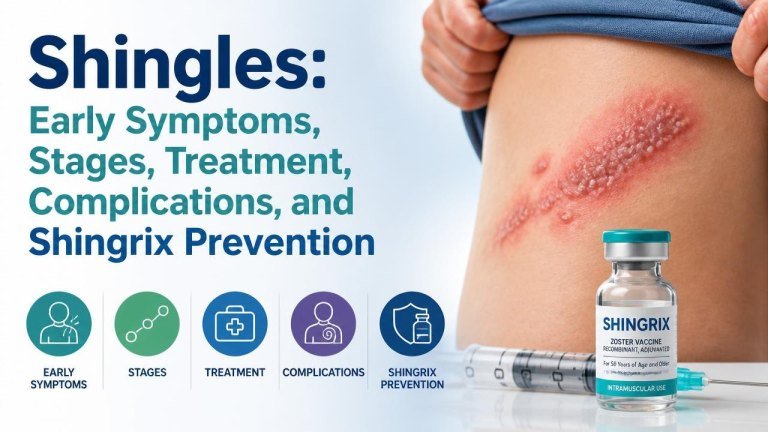
Shingles, also called herpes zoster, usually affects a single side of the body or face. It often follows the path of one nerve, producing pain and a stripe-like rash that typically does not cross the body’s midline. Anyone who has had chickenpox can develop shingles, although the risk increases with older age, a weakened immune system, or certain medical conditions.
Shingles itself cannot be passed from one person to another as shingles. However, someone who has never had chickenpox or the chickenpox vaccine may develop chickenpox after direct contact with fluid from shingles blisters. Keeping the rash covered and avoiding contact with pregnant people, newborns, and people with weakened immunity is important until the blisters crust over.
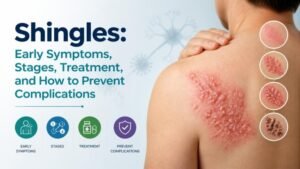
Early Symptoms of Shingles
The first symptoms may appear before the rash and can be easy to mistake for other conditions. Common early signs include burning or tingling pain, itching, unusual skin sensitivity, or tenderness in a localized area. Some people describe the sensation as electric, stabbing, or deep nerve pain.
- Localized pain: discomfort may occur on the chest, back, abdomen, face, or another area supplied by an affected nerve.
- Skin sensitivity: clothing or gentle touch may feel painful.
- General symptoms: fatigue, headache, fever, chills, or an upset stomach may occur.
A rash often appears within a few days, but the timing can vary. Seek medical advice promptly if you develop unexplained one-sided nerve pain, especially if you are at higher risk for complications.
The Stages of Shingles
Shingles usually develops in several recognizable phases. The course differs from person to person, but understanding the typical progression can help you know what to expect.
Stage 1: Pain and Sensory Changes
Before visible skin changes, the affected area may feel itchy, numb, burning, or unusually sensitive. This early phase may last for several days. Because there may be no rash at first, diagnosis can be difficult, particularly when pain occurs in the chest, abdomen, or back.
Stage 2: Red Rash and Blisters
A cluster of red spots or raised bumps may develop, followed by fluid-filled blisters. The rash commonly appears in a band-like pattern on one side of the torso, but it can also affect the face, scalp, or other areas. New blisters may continue to appear for a short period.
Stage 3: Crusting and Healing
The blisters eventually break, dry, and form scabs. Healing can take several weeks. Avoid scratching or picking at the rash, since this can increase the chance of bacterial infection and scarring. Pain may improve as the rash heals, although nerve pain can sometimes continue.
When to Seek Medical Care
Contact a healthcare professional as soon as you suspect shingles. Early shingles treatment works best when started early, often within the first few days after the rash appears, although a clinician may recommend treatment later in some situations.
Seek urgent medical attention for a rash near the eye or on the tip of the nose, vision changes, severe headache, facial weakness, confusion, difficulty hearing, or extensive symptoms. Shingles involving the eye can threaten vision. People with weakened immune systems, severe illness, or a rash affecting multiple areas should also obtain prompt medical advice.
Shingles Treatment
Treatment usually combines prescription medication with measures to control pain and protect the skin. A healthcare professional may prescribe an antiviral medicine such as acyclovir, valacyclovir, or famciclovir. These medicines may shorten the illness and reduce the severity of symptoms when used appropriately.
Relieving Pain and Itching
Depending on your health history, treatment may include over-the-counter pain relievers, prescription pain medicine, or medicines designed for nerve pain. Cool, damp compresses and loose clothing may ease itching and irritation. Keep the rash clean and dry, and ask a clinician or pharmacist before using topical products on open blisters.
Do not apply adhesive dressings directly to blisters unless advised by a healthcare professional. Avoid sharing towels, clothing, or personal items while the rash is active.
Possible Shingles Complications
Most people recover, but shingles can cause complications. The most common is postherpetic neuralgia, a condition in which burning, stabbing, or aching nerve pain continues after the rash has cleared. The risk tends to increase with age and may be higher when the initial pain or rash is severe.
- Eye complications: shingles affecting the eye can cause inflammation and vision problems.
- Skin infection: scratching can allow bacteria to enter open blisters.
- Neurological problems: uncommon complications can affect hearing, facial movement, balance, or the brain.
- Scarring or pigment changes: these may remain after the rash heals.
Prompt diagnosis and treatment are especially important when the rash involves the face, eye, or ear, or when symptoms occur in someone with a weakened immune system.
Shingrix Prevention
Shingrix is a vaccine used to help prevent shingles and related complications. It is a recombinant vaccine and does not contain a live virus. Eligibility and timing can depend on age, immune status, previous vaccination, and local medical guidance, so discuss vaccination with a healthcare professional.
Shingrix is generally given as a two-dose series. It can cause temporary side effects such as soreness at the injection site, fatigue, muscle aches, headache, fever, or chills. These effects usually improve within a short time, but ask your clinician about any severe or persistent reaction.
Who Should Ask About Shingrix?
Adults who may be eligible should ask a healthcare professional about vaccination, including those with a history of shingles. A previous episode does not guarantee protection from another episode. People with certain immune conditions may have specific recommendations, so individualized advice is important.
Shingrix is intended to prevent shingles; it is not a treatment for an active rash. If you currently have symptoms, seek medical advice rather than waiting for vaccination to resolve the illness.
Self-Care While Shingles Heals
Rest, drink adequate fluids, and follow the treatment plan provided by your healthcare professional. Keep the rash covered when practical and wash your hands regularly. Avoid contact with people who have not had chickenpox or vaccination, especially pregnant people, newborns, and individuals with weakened immunity, until all blisters have crusted.
Do not scratch the rash, and do not share towels, clothing, or bedding. If pain interferes with sleep, work, or daily activities, tell your healthcare professional because additional treatment may be available.
Key Takeaway
Shingles often begins with localized nerve pain followed by a one-sided blistering rash. Early medical care can support faster treatment, while urgent evaluation is essential for facial, eye, ear, or severe symptoms. Shingrix provides an important prevention option for eligible adults, including many people who have had shingles before.