
Where to Stay in New York City: The Best Neighborhoods for Every Traveler
New York City is made up of five boroughs and a huge variety of New York City neighborhoods, each with its own atmosphere, pace, and advantages. The best place to stay is not always the area closest to Times Square. For many travelers, a neighborhood with excellent subway access, restaurants within walking distance, and a more relaxed evening atmosphere can create a much better experience.
This guide highlights the city’s most useful areas for visitors, from central Manhattan hotels to Brooklyn waterfront stays and Queens neighborhoods with convenient transport links. Use it to match your accommodation location with your travel style, budget, and sightseeing plans.
How to Choose the Best New York City Neighborhood
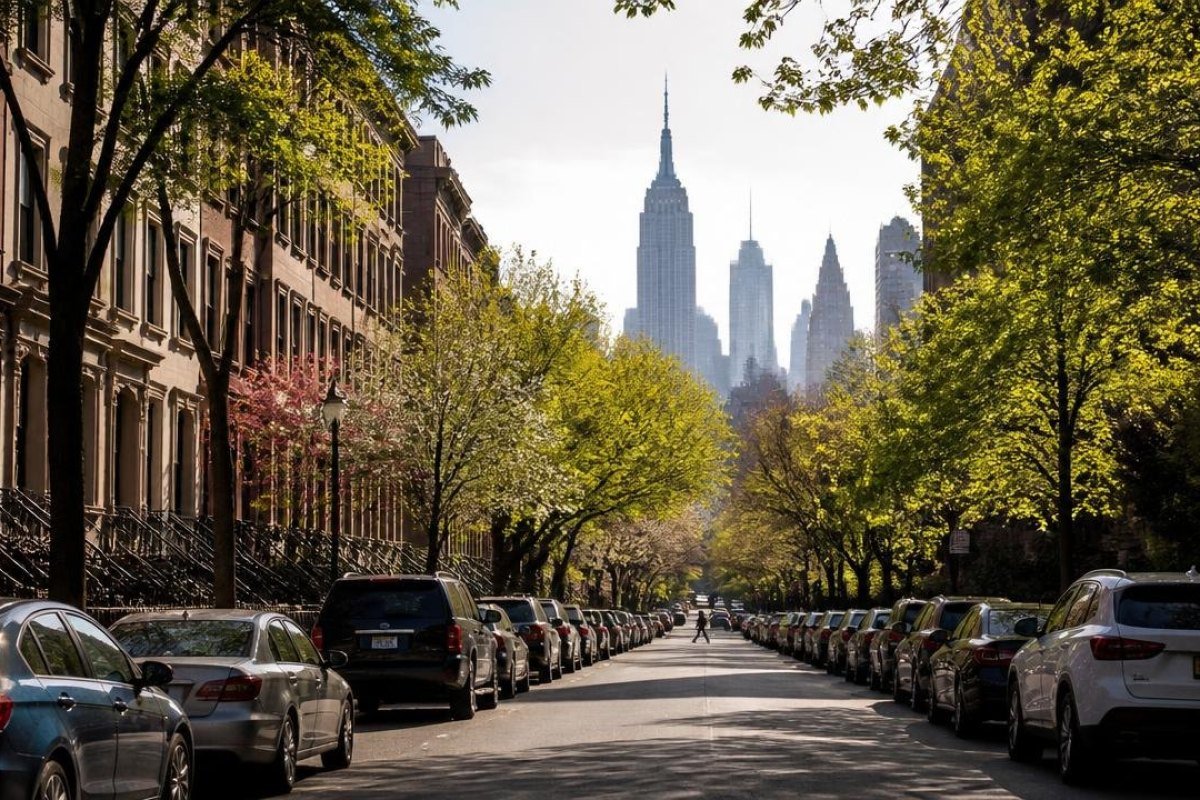
Before booking, consider how much time you want to spend near the major attractions and how comfortable you are using public transportation. A central location may reduce daily travel, while a neighborhood outside Midtown can offer more space, a stronger local atmosphere, and potentially better value.
- First-time visitors often prefer Midtown or Lower Manhattan.
- Families may appreciate the quieter streets and parks of the Upper West Side.
- Nightlife travelers can look toward Greenwich Village, the Lower East Side, or Williamsburg.
- Food-focused visitors should consider Chinatown, Astoria, Jackson Heights, or Flushing.
- Budget-conscious travelers may find more options in parts of Brooklyn and Queens, although commute times vary.
Always check the exact location of a hotel rather than relying only on its neighborhood label. New York districts can change noticeably from one avenue or subway stop to the next.

Best Neighborhoods in Manhattan
Manhattan is the most convenient base for many sightseeing-heavy trips. It contains major museums, theaters, shopping streets, parks, historic districts, and business areas, with extensive subway connections throughout the island.
Midtown: Best for First-Time Visitors
Midtown is a practical choice if you want to reach many famous attractions quickly. Times Square, Broadway theaters, Rockefeller Center, Fifth Avenue, and Grand Central Terminal are all within or near this broad central area.
Its main advantages are central sightseeing access, frequent subway connections, and a wide range of hotels. The trade-off is that some streets can feel busy and commercial, particularly around Times Square. For a calmer stay, look toward the edges of Midtown, such as Bryant Park, Murray Hill, or the western side near Hell’s Kitchen.
Upper West Side: Best for Families and Museums
The Upper West Side sits beside Central Park and is known for residential streets, cultural institutions, and a more neighborhood-oriented atmosphere. It is a strong option for travelers who want access to green space without staying in a heavily commercial district.
Families benefit from Central Park access, walkable residential blocks, and proximity to museums such as the American Museum of Natural History. The area also has restaurants, cafés, and subway stations along major avenues. Rooms can vary considerably in size and price, so compare properties carefully.
Upper East Side: Best for Art and a Quieter Atmosphere
The Upper East Side is a good fit for visitors interested in museums, elegant architecture, and a less hectic evening setting. Museum Mile and the Metropolitan Museum of Art are among the area’s major attractions, while Central Park is close by. It is one of New York’s best neighborhoods for a first visit.
Choose this neighborhood for cultural sightseeing, calmer evenings, and access to the park. The neighborhood is less convenient for Lower Manhattan attractions than Midtown, so check the nearest subway line and expected travel times before booking.
Greenwich Village and the West Village: Best for Character and Nightlife
Greenwich Village and the West Village are among Manhattan’s most atmospheric areas, with tree-lined streets, historic buildings, independent restaurants, music venues, and lively bars. The West Village is especially appealing for visitors who prefer wandering through distinctive streets rather than following a large sightseeing checklist.
The area offers historic charm, excellent dining, and a strong evening scene. Hotels and short-term accommodation can be expensive, and older buildings may have smaller rooms or limited elevators, so read property details closely.
SoHo and Tribeca: Best for Shopping and Design
SoHo is known for cast-iron architecture, fashion stores, galleries, and busy weekend streets. Nearby Tribeca is generally quieter and more residential, with converted industrial buildings and high-end restaurants, making both areas worthwhile neighborhoods to explore in New York.
These districts suit travelers seeking designer shopping, stylish restaurants, and a central downtown location. They are convenient for exploring Lower Manhattan, but hotel prices can be high, particularly during busy travel periods.
Lower East Side and Chinatown: Best for Food and Late Nights
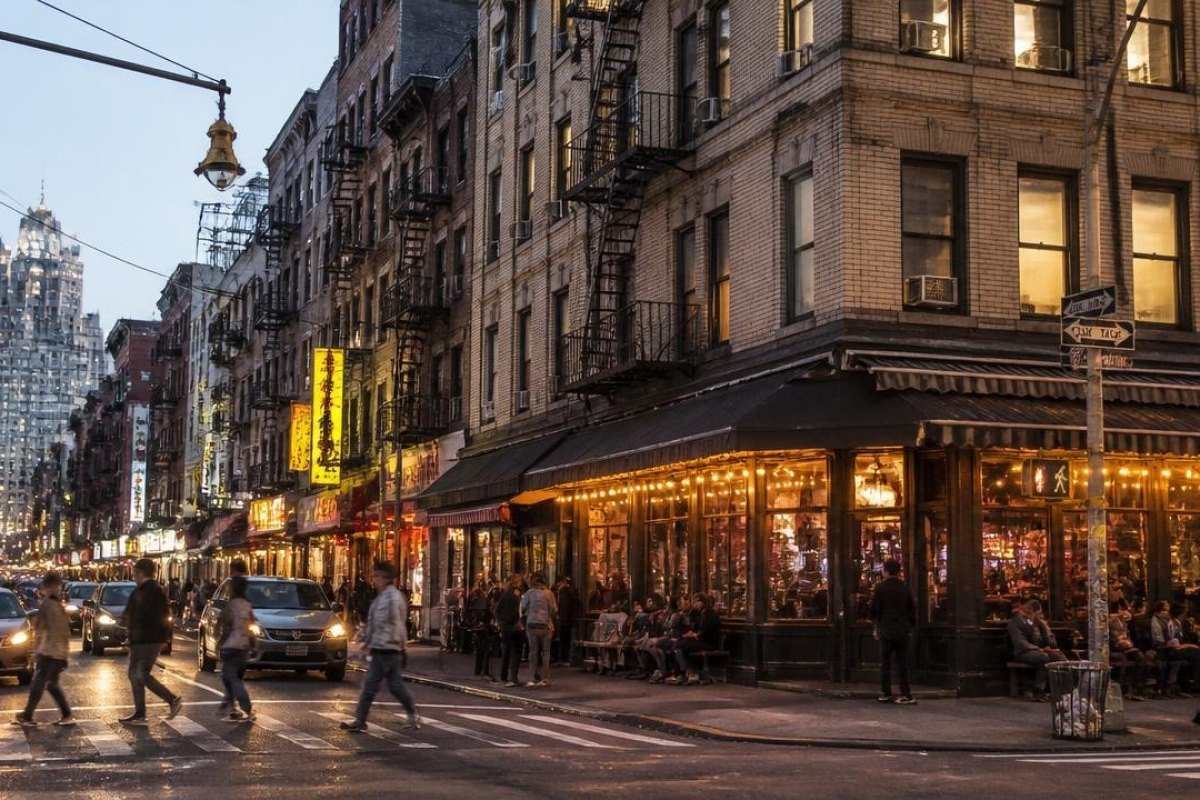
Chinatown and the Lower East Side provide one of the city’s most varied combinations of food, history, nightlife, and street life. Chinatown is a strong base for affordable meals and downtown exploration, while the Lower East Side is known for bars, music venues, restaurants, and independent businesses.
Stay here for late-night energy, global cuisine, and easy access to neighborhoods such as Nolita, SoHo, and the East Village. Streets can be lively and noisy, so travelers who are sensitive to sound should check room location and hotel reviews.
Best Neighborhoods in Brooklyn
Brooklyn is a compelling alternative to Manhattan for visitors who want a stronger local atmosphere, waterfront views, creative districts, or more residential surroundings. Travel times to Manhattan vary, so choose accommodation near a subway station or ferry route that fits your itinerary.
Brooklyn Heights and Downtown Brooklyn: Best for Views and Transport
Brooklyn Heights offers historic streets, brownstone architecture, and access to the Brooklyn Heights Promenade and Brooklyn Bridge Park. Downtown Brooklyn is more urban and has extensive subway connections, shopping, cultural venues, and newer hotels.
This area combines Manhattan skyline views, historic streets, and convenient transport. It works particularly well for travelers who want to visit both Brooklyn and Lower Manhattan without staying in Midtown.
Williamsburg: Best for Restaurants, Music, and a Creative Scene
Williamsburg is one of Brooklyn’s best-known visitor neighborhoods, with independent shops, restaurants, bars, music venues, and waterfront parks. The area has a lively identity and is especially popular with younger travelers and repeat visitors to New York.
Its strongest features are food and nightlife, creative businesses, and waterfront access. Choose your hotel carefully if you prefer quiet nights, as some parts remain active well after dinner.
Park Slope and Prospect Heights: Best for Parks and Local Living
Park Slope is a relaxed, family-friendly neighborhood beside Prospect Park, while nearby Prospect Heights offers restaurants, cultural attractions, and access to institutions around Grand Army Plaza and Eastern Parkway.
These areas are ideal for park access, local restaurants, and a residential atmosphere. They are less convenient for Times Square than Midtown, but the subway can make central Manhattan accessible when planned properly.
Bushwick: Best for Street Art and Nightlife
Bushwick is known for murals, galleries, music venues, restaurants, and a highly varied nightlife scene. It can be a rewarding choice for travelers who have already seen the main attractions and want to experience a more creative side of Brooklyn.

Look here for street art, independent venues, and late-night energy. Neighborhood conditions can vary from block to block, so research the immediate surroundings and the walk from the subway before confirming a booking.
Best Neighborhoods in Queens
Queens is one of New York City’s most diverse boroughs and can be especially useful for travelers who prioritize food, airport access, or a quieter hotel base outside Manhattan. It also offers direct connections to several parts of the city, depending on the neighborhood.
Long Island City: Best for Skyline Views and Manhattan Access
Long Island City sits just across the East River from Manhattan and has a growing collection of hotels, modern residential buildings, waterfront parks, and art spaces. Some properties offer striking views toward the Manhattan skyline.
The neighborhood is a strong choice for short Manhattan commutes, waterfront walks, and modern hotels. Compare subway routes carefully because different sections of Long Island City are served by different lines.
Astoria: Best for Food and a Neighborhood Feel
Astoria is a popular choice for travelers who want diverse restaurants, cafés, bars, and a less tourist-focused atmosphere. It is particularly appealing to visitors who enjoy exploring residential neighborhoods and trying food from different culinary traditions.
Its main attractions are international dining, local character, and generally quieter streets than Midtown. The commute into Manhattan is manageable but may be longer than from Long Island City, depending on the exact hotel location.
Flushing: Best for Asian Cuisine and Cultural Variety
Flushing is one of New York’s most rewarding areas for food-focused travelers, with extensive Chinese, Korean, and other Asian dining options. It is farther from Manhattan’s central attractions, but its culinary scene offers a reason to stay beyond the usual tourist route.
Choose Flushing for exceptional food variety, busy local markets, and a distinctly multicultural atmosphere. It is best suited to travelers who do not mind spending more time on public transportation to reach Midtown or Lower Manhattan.
Best Neighborhoods in the Bronx
The Bronx is a good option for visitors interested in sports, gardens, cultural institutions, and neighborhoods away from the traditional tourist core. It is a large borough, so accommodation should be selected with a specific attraction or transit route in mind.
South Bronx and Nearby Areas: Best for Culture and Sports
The South Bronx has a growing cultural scene, restaurants, public art, and access to major attractions in the wider Bronx. Baseball fans may also consider the area when attending events at Yankee Stadium.
This part of the city appeals to travelers seeking urban culture, sports experiences, and a less conventional base. Check event schedules and transportation conditions before booking, especially if your trip centers on a particular venue.
Fordham and the Northern Bronx: Best for Gardens and Family Attractions
Northern Bronx neighborhoods provide access to attractions such as the New York Botanical Garden and the Bronx Zoo. They are more suburban in feel than central Manhattan and can work well for visitors planning a focused trip around these destinations.
Consider this area for family attractions, botanical gardens, and more open surroundings. It is not the most convenient choice for daily sightseeing in Lower Manhattan.

Staten Island: Best for Waterfront Views and a Slower Pace
Staten Island offers a different experience from the city’s busiest visitor districts. It is suitable for travelers who value space, waterfront scenery, and a slower pace, although reaching Manhattan attractions requires additional planning.
The borough is known for harbor views, green spaces, and access to the Staten Island Ferry. It can be a pleasant choice for a short escape from central-city crowds, but most first-time visitors will find Manhattan, Brooklyn, or western Queens more convenient for a sightseeing-focused itinerary.
Where to Stay in New York City by Travel Style
For First-Time Visitors
Choose Midtown, Lower Manhattan, or a well-connected part of the Upper West Side if you want to see many iconic sights with minimal planning. These areas make it easier to combine museums, observation decks, parks, shopping, and Broadway in one trip.
For Families
Consider the Upper West Side, Upper East Side, Park Slope, or Long Island City. Look for a hotel near a subway station, a quieter street, and practical room features such as elevators, storage, and flexible sleeping arrangements.
For Nightlife
Greenwich Village, the West Village, the Lower East Side, Williamsburg, and Bushwick offer bars and music venues, late-night restaurants, and a lively atmosphere. Expect more street noise in popular nightlife zones.
For Food Lovers
Chinatown, the Lower East Side, Astoria, Jackson Heights, Flushing, and Williamsburg stand out for culinary diversity, independent restaurants, and memorable casual dining. Choose based on the cuisines you most want to explore rather than only on proximity to landmarks.
For a More Local Atmosphere
Park Slope, Astoria, the Upper West Side, Prospect Heights, and selected parts of Brooklyn offer residential streets, neighborhood cafés, and everyday city life. These areas may require more subway journeys but can feel more relaxed after a busy day of sightseeing.
Getting Around from Your New York City Hotel
New York’s subway and bus network is the backbone of most visitor itineraries, while walking is often the fastest way to explore nearby blocks. The subway operates around the clock, but service patterns, planned maintenance, and accessibility can vary.
Before booking, check the nearest station, the lines serving it, and whether your key destinations require transfers. Official transit updates are the best source for current service changes, planned work, accessibility information, and airport connections.
Taxis, app-based cars, ferries, and commuter rail services can also be useful depending on your route. Build extra time into airport journeys and late-night transfers, particularly when traveling with luggage.
Final Advice for Booking Your Stay
The right New York City neighborhood depends on the balance you want between convenience, atmosphere, price, and travel time. Midtown is efficient, downtown Manhattan is energetic and historic, Brooklyn adds local character, Queens offers diversity and transport value, and the Bronx and Staten Island provide a different perspective on the city.
Before paying, compare the exact address, subway access, noise expectations, and the hotel’s cancellation conditions. A slightly less central room in a neighborhood you enjoy can be more rewarding than an expensive stay in the busiest tourist zone.