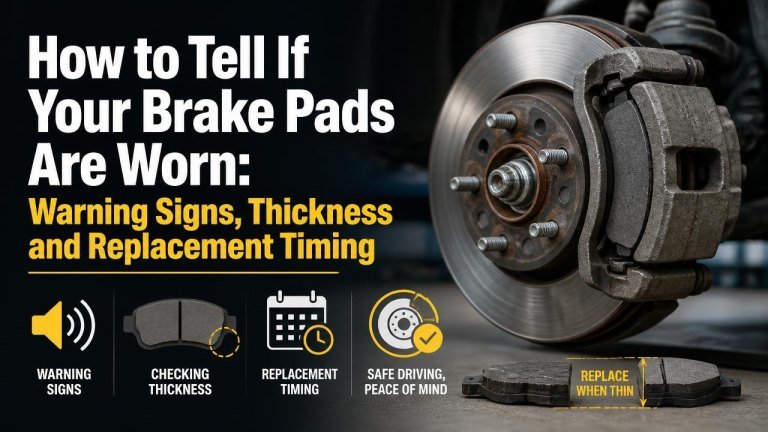
Brake pads are essential safety components that create the friction needed to slow and stop your vehicle. Because they wear gradually, it is important to recognize the warning signs before braking performance becomes unsafe.
Common Signs of Worn Brake Pads
Several symptoms can indicate that your brake pads are nearing the end of their service life. Pay attention to changes in braking performance, unusual sounds and how the vehicle feels when you press the pedal.
Squealing or Screeching
A high-pitched squealing sound is often caused by a wear indicator built into the pad. This small metal tab contacts the rotor when the friction material becomes thin. Occasional noise can also result from dust or moisture, but persistent squealing deserves an inspection.
Grinding or Scraping
A harsh grinding noise may mean the friction material has worn away and the metal backing plate is contacting the rotor. Continued driving can cause rotor damage and reduce braking safety. Arrange an inspection as soon as possible, and avoid driving if stopping feels difficult or unsafe.
Reduced Braking Performance
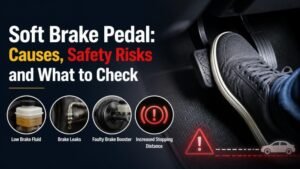
If the vehicle takes longer to stop or the brake pedal feels different, the pads may be worn or another part of the system may need attention. A soft brake pedal, increased stopping distance or unusual pedal travel should be checked promptly rather than ignored.
Visual Brake Pad Thickness Check
Many brake pads can be inspected through the wheel spokes without removing the wheel. Look for the friction material between the rotor and the pad backing plate. If the material appears very thin, uneven or difficult to see, arrange a professional inspection.
As a general guide, pads approaching only a few millimeters of usable material commonly require replacement planning. Exact limits vary by vehicle and manufacturer, so the service manual or a qualified technician should determine the correct threshold.
Other Symptoms That May Point to Brake Wear
Brake pad wear is not always accompanied by noise. Other clues include steering-wheel vibration, a vehicle pulling to one side or a burning smell after braking. These symptoms can also be caused by warped rotors, sticking calipers, tire problems or other faults, so diagnosis is important.
- Vibration during braking may suggest rotor or suspension issues.
- Pulling to one side can indicate uneven braking or a seized component.
- Brake dust on one wheel may point to uneven pad or caliper operation.
- A dashboard brake warning light should never be disregarded.
When Should Brake Pads Be Replaced?
Brake pads should be replaced when the friction material reaches the vehicle maker’s minimum thickness, when wear is uneven or when the pads are contaminated or damaged. Do not rely only on mileage because driving conditions, traffic, load and driving style strongly affect pad life.
Frequent stop-and-go driving, steep roads, towing and repeated hard braking can accelerate wear. Conversely, a vehicle used mainly on open roads may experience a different replacement schedule. Regular inspections provide a more reliable answer than a fixed mileage estimate.
Replace Pads as an Axle Set
Brake pads are normally replaced on both sides of the same axle. Replacing the complete axle set helps maintain balanced braking and prevents a large difference in friction between the left and right sides. A technician should also inspect the rotors, calipers and hardware during the job.
Why Delaying Replacement Can Be Risky
Driving with severely worn pads can increase stopping distance and damage more expensive components. Once the friction material is gone, metal-to-metal contact may ruin the rotor and create additional heat. The result can include costly repairs, reduced control and greater safety risk.
If you hear grinding, notice a major change in braking or see a brake warning light, have the vehicle inspected immediately. If the brakes feel unsafe, do not continue driving; arrange professional assistance instead.
How to Make Brake Pads Last Longer
Smoother driving can reduce unnecessary brake wear. Leave more space ahead, anticipate traffic and avoid repeated hard stops when conditions allow. Keeping the vehicle within its intended load limits also helps reduce stress on the braking system.
- Use gentle, progressive brake pressure whenever possible.
- Maintain safe following distance to reduce sudden stops.
- Have unusual sounds or pedal changes checked early.
- Follow the vehicle manufacturer’s inspection schedule.
Final Takeaway
The clearest signs of worn brake pads include persistent squealing, grinding, reduced braking performance and visibly thin friction material. Because symptoms can overlap with other brake faults, an inspection is the safest way to confirm the cause. Checking the pad thickness, rotor condition and overall system before wear becomes severe can help protect both your vehicle and everyone on the road.