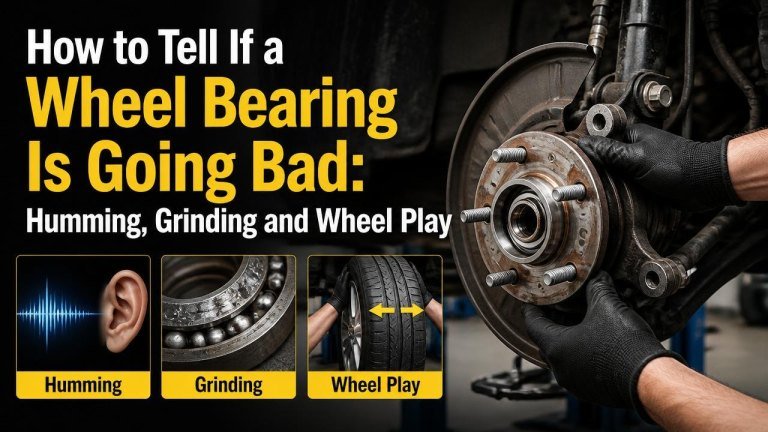
A wheel bearing allows the wheel and tire to rotate smoothly around the hub or spindle. When it begins to wear, the symptoms can start quietly and become more obvious over time. Recognizing the warning signs early can help you avoid additional damage and learn when wheel bearing replacement may be necessary to maintain safe, predictable handling.
Common Signs of a Bad Wheel Bearing
Humming noise, grinding sounds and loose wheel movement are among the most common clues. Because similar symptoms can come from tires, brakes or suspension parts, it is important to consider when the noise occurs and whether it changes with speed, steering or braking.
- A steady hum, growl or rumble that increases with road speed
- Grinding or roughness from one corner of the vehicle
- Vibration through the steering wheel, seat or floor
- Uneven or abnormal tire wear
- Noticeable play when the wheel is rocked by hand
- A vehicle that feels less stable during turns
How a Failing Wheel Bearing Sounds
Road-speed humming, cornering changes and mechanical growling can point toward a worn bearing. The sound often becomes louder as the vehicle accelerates, although the exact noise depends on the bearing design, the amount of wear and other vehicle conditions.
A wheel-bearing noise may resemble tire roar, which makes diagnosis difficult. Tire noise commonly changes with different road surfaces and may be affected by tread wear, wheel alignment and balancing. A bearing-related sound is more likely to remain consistent on smooth pavement and may change when the vehicle’s weight shifts during a turn.
Pay Attention to Changes During Turns
Left turns, right turns and load transfer can help reveal a noisy bearing. If the sound becomes noticeably louder when the vehicle turns one direction and quieter when it turns the other, one bearing may be carrying more load than the other. This is a useful clue, but it does not identify the exact side with certainty.
Grinding, Clicking and Other Noise Clues
Grinding under rotation, clicking while turning and rough wheel movement should not be ignored. A severely worn bearing can produce a harsher sound than the earlier humming stage, especially when the wheel is rotating or the vehicle is cornering.
Clicking during tight turns is often associated with a worn outer constant-velocity joint rather than a wheel bearing. Scraping may come from a brake shield, brake hardware or another component. Since several faults can sound similar, a technician should inspect the complete wheel assembly instead of replacing parts based on noise alone.
What Wheel Play Feels Like
Excessive movement, loose steering feel and clunking during rocking may indicate bearing wear. With the vehicle safely lifted and properly supported, a technician can rock the wheel and check for looseness. Some vehicles may show little or no play even when the bearing is noisy, so a movement check cannot rule out a problem by itself.
Wheel play can also result from worn ball joints, tie-rod ends, suspension bushings or other hub components. For that reason, any looseness should be inspected before driving at normal highway speeds.
How to Check for a Wheel Bearing Problem
Start with a visual inspection, compare both sides and use safe lifting equipment. Never rely on a jack alone when working under or around a vehicle.
- Note whether the noise changes with speed, steering input or road surface.
- Inspect the tire for cupping, uneven wear or damage that could create a rumbling sound.
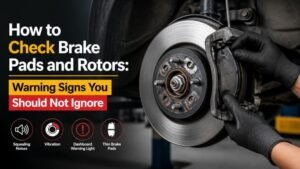
- Look for obvious damage around the hub, wheel and brake area.
- If you have the correct equipment and experience, lift and support the vehicle securely.
- Rotate the wheel by hand and listen for roughness, scraping or grinding.
- Rock the wheel gently and check for abnormal movement, while remembering that other suspension parts can cause looseness.
A professional can also use a stethoscope, chassis ears or other diagnostic methods to compare noise at each wheel. The correct test depends on the vehicle and the type of bearing fitted.
Can You Drive With a Bad Wheel Bearing?
Driving distance matters, symptom severity matters and safe handling comes first. A faint noise does not always mean immediate failure, but a worsening growl, strong vibration, steering instability or significant wheel play requires prompt attention.
Stop driving and arrange professional assistance if the wheel feels loose, the vehicle pulls or wanders, the noise becomes harsh, or you notice heat, smoke or a damaged tire. A badly worn bearing can affect wheel alignment and control, and a loose wheel assembly can create a serious safety risk.
Wheel Bearing Noise Versus Tire or Brake Noise
Bearing noise follows vehicle speed, tire noise follows tread condition and brake noise follows pedal use more often than not. These patterns are not absolute, but they can help narrow the possibilities.
- Wheel bearing: often produces a steady hum or growl that changes with speed and cornering.
- Tire wear: may cause a rhythmic roar, vibration or droning that varies with pavement and tread pattern.
- Brake problem: may create scraping, squealing or grinding that changes when the brake pedal is pressed.
- CV joint: may click during tight turns, particularly under acceleration.
Because these symptoms can overlap, avoid assuming that every humming or grinding sound comes from a bearing.
When to Book an Inspection
Early diagnosis, accurate identification and timely repair can prevent a small noise from becoming a larger problem. Schedule an inspection when a new hum or growl persists, when the noise changes during turns, or when you feel vibration or looseness at a wheel.
Use a qualified repair professional if you are not comfortable lifting the vehicle or diagnosing steering and suspension components. A proper inspection can confirm whether the bearing, hub, tire, brake or suspension is responsible and determine what repair is appropriate for your vehicle.
Bottom Line
Humming that rises with speed, grinding during rotation and noticeable wheel play are important warning signs of a possible bad wheel bearing. They can also indicate other faults, so the safest approach is to compare symptoms, inspect the entire wheel assembly and arrange a professional diagnosis before the problem worsens.