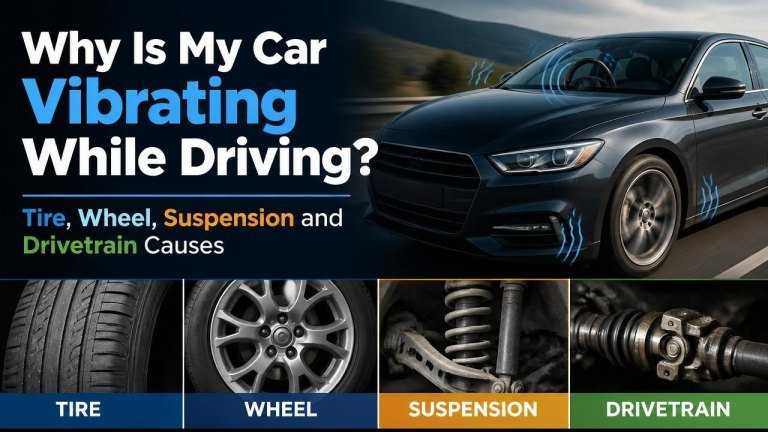
A car that vibrates while driving is giving you an important warning. The sensation may be mild and noticeable only at certain speeds, or it may become strong enough to affect the steering wheel, seat, or entire vehicle. Although an unbalanced tire is a common cause, vibrations can also result from wheel damage, worn suspension parts, brake problems, or drivetrain issues.
Paying attention to when the vibration occurs, where you feel it, and how it changes can help narrow down the problem. This guide explains the most likely causes and when professional inspection is necessary.
What Does the Vibration Feel Like?
The location and timing of the vibration often provide useful clues. A shake through the steering wheel usually points toward the front wheels or suspension, while a vibration through the seat or floor may come from the rear wheels, driveshaft, or drivetrain. Notice whether it happens during acceleration, braking, cornering, or at a particular speed.
Vibration at a Specific Speed
A vibration that appears within a narrow speed range is often connected to wheel balance, tire uniformity, or a bent wheel. These problems can become more noticeable as road speed increases, then lessen or change as the vehicle moves beyond that range.

Vibration During Acceleration
Shaking that occurs mainly when accelerating may indicate a worn CV joint, damaged driveshaft, or faulty engine or transmission mount. If the vibration disappears when you lift off the accelerator, the drivetrain deserves particular attention.
Vibration When Braking
A vibration that appears when slowing down is commonly associated with brake rotor thickness variation, sticking calipers, or worn suspension components. If the brake pedal pulses or the steering wheel shakes under braking, arrange an inspection promptly.
Common Tire and Wheel Causes
Tires and wheels are among the first areas to check because they directly contact the road. Even a small defect can create a noticeable vibration at speed. Look for uneven tread wear, visible damage, and incorrect inflation before assuming the problem is more complex.
Unbalanced Wheels
Wheel weights keep a tire and wheel assembly rotating smoothly. If a weight falls off, or if the assembly was not balanced correctly, you may feel a speed-related shake through the steering wheel or vehicle body. A tire shop can test the assembly and correct the balance.
Damaged or Bent Wheels
A pothole, curb impact, or road debris can bend a wheel or cause a crack. A damaged wheel may produce a persistent steering vibration, air-pressure loss, or visible wobble. Do not continue driving on a wheel that appears cracked or severely deformed.
Tire Defects and Uneven Wear
A tire with a separated belt, flat spot, bulge, or irregular wear can vibrate even when its pressure is correct. Check for sidewall bulges, cupping patterns, and tread damage. A bulging tire should be replaced rather than repaired or repeatedly inflated.
Alignment and Suspension Problems
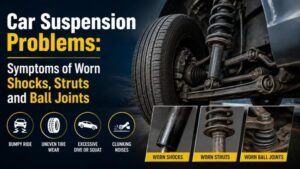
Wheel alignment by itself more often causes pulling and uneven wear than a constant vibration, but alignment problems can contribute to shaking when tires become irregularly worn. Worn suspension components may allow excessive movement and make road impacts feel much harsher. Important areas include tie rods, ball joints, and control-arm bushings.
A vehicle that wanders, clunks over bumps, or feels loose in corners may have a suspension or steering issue. Because these parts affect control, any vibration combined with loose steering, abnormal tire wear, or clunking noises should be professionally inspected.
Brake-Related Vibrations
Brake vibration is usually easiest to identify because it occurs when the brake pedal is applied. Rotors can develop uneven friction surfaces or thickness variation, while calipers may fail to release properly. A pulsating brake pedal, shaking steering wheel, or vehicle pulling to one side indicates that the braking system should be checked.
Do not assume that replacing rotors alone will solve the problem. The technician should also inspect brake pad condition, caliper operation, and the wheel and hub mounting surfaces. Improperly tightened or contaminated components can contribute to recurring vibration.
Drivetrain and Engine Causes
Vibrations that change with engine speed or throttle input may originate beyond the wheels. Common causes include CV axles, driveshaft components, and engine mounts. These faults often produce additional symptoms such as clicking during turns, clunks when shifting, or a vibration that is strongest under load.
Worn CV Joints or Axles
Front-wheel-drive vehicles commonly develop CV joint problems. An outer joint may make a clicking sound while turning, while an inner joint can cause shuddering during acceleration. A torn boot may allow grease to escape and dirt to enter, accelerating wear.
Driveshaft and Universal Joint Issues
Rear-wheel-drive and all-wheel-drive vehicles may vibrate because of a damaged driveshaft, worn universal joint, or failing center support bearing. These problems can create a floor vibration, clunk during gear changes, or noise that increases with vehicle speed.
Engine and Transmission Mounts
Mounts hold the powertrain in position while isolating normal engine movement. When a mount breaks or deteriorates, you may notice vibration at idle, excessive movement, or a thump when accelerating or shifting. Mount problems require inspection because continued movement can stress other components.
Could the Vibration Be Caused by the Engine?
An engine-related vibration may occur even when the vehicle is stationary. Rough idling, misfires, fuel-delivery problems, ignition faults, or intake leaks can make the engine shake at idle and under acceleration. Warning signs include a flashing check-engine light, loss of power, and unusual exhaust or engine noises.
If the check-engine light is flashing, reduce driving and seek prompt service. An active misfire can damage the emissions system and may leave the vehicle unsafe or unreliable.
Simple Checks You Can Perform Safely
Before scheduling repairs, you can perform a few basic checks without removing parts. Confirm that all tires have the correct cold tire pressure, inspect the tread and sidewalls, and look for loose wheel weights or obvious wheel damage. Also check whether the vibration began after a pothole impact, tire replacement, or recent brake work.
During a short, careful drive, note the conditions that trigger the problem. Record the speed range, throttle position, and whether braking changes the symptom. This information can help a technician reproduce the vibration more quickly.
When Is a Vibrating Car Unsafe to Drive?
Stop driving and arrange professional assistance if the vibration is severe, suddenly worsens, or is accompanied by tire damage, loose steering, or brake failure symptoms. A strong shake after hitting a pothole may indicate a damaged wheel, tire, or steering component.
Other urgent warning signs include smoke, burning odors, loud drivetrain noises, severe pulling, or a wheel that feels unusually hot. Continuing to drive with a failing tire, brake, or suspension part can increase the risk of losing control.
How a Technician Diagnoses the Problem
A proper diagnosis starts with a road test and visual inspection. The technician may check tire balance, wheel runout, alignment, suspension play, brake condition, and drivetrain components. Diagnostic equipment can help identify engine misfires, while a lift allows inspection of CV joints, bearings, and mounts.
Describe the symptom accurately rather than simply saying the car shakes. Explain whether it is felt in the steering wheel, seat, or floor, and whether it occurs during acceleration, braking, turning, or steady cruising.
Final Takeaway
Car vibration is not a single problem with one universal fix. The most likely cause depends on its timing, location, and severity. Tire balance, tire damage, and wheel problems are common, but braking, suspension, alignment, engine, and drivetrain faults can produce similar symptoms.
Start with a tire and wheel inspection, avoid ignoring worsening symptoms, and have the vehicle checked when vibration affects steering, braking, or acceleration. Early diagnosis can prevent a minor issue from becoming a more expensive or dangerous repair.