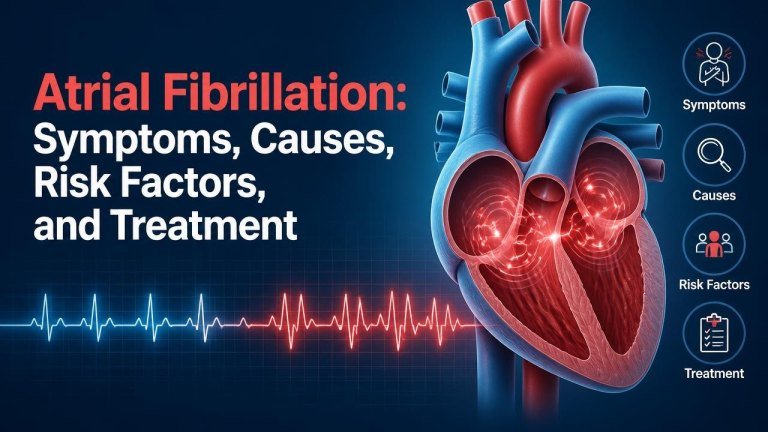
Atrial fibrillation, often called AFib, is an irregular heart rhythm that can make the heart beat too quickly, unpredictably, or inefficiently. Some people notice clear symptoms, while others have no symptoms at all and discover the condition during a routine examination.
Although AFib is common, it should not be ignored. The irregular rhythm can allow blood to pool in the heart, increasing the risk of blood clots and stroke. Prompt medical evaluation can help identify the cause and reduce complications.
What Is Atrial Fibrillation?
Atrial fibrillation occurs when the heart’s upper chambers, called the atria, receive disorganized electrical signals. Instead of contracting in a steady rhythm, they quiver or beat irregularly. The lower chambers may then respond with an irregular pulse.
AFib may be occasional, persistent, or continuous. Its pattern and duration can vary, and the best treatment depends on the rhythm, symptoms, overall health, and risk of stroke or other complications.
Symptoms of Atrial Fibrillation
Some people have no noticeable symptoms. When symptoms occur, they may begin suddenly or develop gradually. Common signs include:
- Irregular heartbeat or a fluttering, pounding, or racing sensation in the chest
- Shortness of breath, especially during activity
- Weakness, tiredness, or reduced ability to exercise
- Dizziness, lightheadedness, or feeling faint
- Chest discomfort or anxiety
Symptoms can be mild and may come and go. A pulse that feels irregular does not confirm AFib, but it is a reason to contact a healthcare professional for assessment.
When to Seek Emergency Care
Call emergency services for chest pain, severe breathing difficulty, fainting, or sudden symptoms such as facial drooping, arm weakness, confusion, or trouble speaking. These may signal a heart emergency or stroke.
Causes of Atrial Fibrillation
AFib develops when changes in the heart’s electrical system disrupt its normal rhythm. Several conditions can contribute, including:
- High blood pressure
- Coronary artery disease or a previous heart attack
- Heart valve disease or heart failure
- Congenital heart problems or previous heart surgery
- Overactive thyroid or other metabolic disorders
- Sleep apnea
- Excessive alcohol use, stimulant drugs, or certain medications
In some cases, no clear cause is found. This is sometimes called lone or idiopathic AFib, although other health factors may become apparent over time.
Risk Factors
The likelihood of developing AFib increases with age, but the condition can affect younger adults as well. Important risk factors include older age, high blood pressure, and heart disease.
Other factors may include obesity, diabetes, chronic lung disease, kidney disease, thyroid disorders, heavy alcohol consumption, smoking, family history, and limited physical activity. Managing these factors can support heart health and may reduce episodes for some people.

How Atrial Fibrillation Is Diagnosed
Diagnosis usually begins with a medical history, symptom review, and physical examination. A clinician may check the pulse and listen to the heart before ordering tests.
- Electrocardiogram (ECG): Records the heart’s electrical activity and may identify AFib immediately.
- Holter or event monitor: Tracks the rhythm over a longer period when episodes are intermittent.
- Echocardiogram: Uses ultrasound to evaluate the heart’s structure and function.
- Blood tests: May check thyroid function, electrolytes, and other possible contributors.
Additional imaging or testing may be recommended when a healthcare professional needs to assess blood clots, valve problems, or another underlying condition.
Treatment for Atrial Fibrillation
Treatment aims to reduce symptoms, prevent blood clots and stroke risk, control the heart rate, and restore or maintain a normal rhythm when appropriate. The plan is individualized according to age, health, symptoms, AFib pattern, and stroke risk.
Medicines
Blood thinners, also called anticoagulants, may be prescribed to lower the risk of stroke. They require careful use because they can increase bleeding risk. Never start, stop, or change an anticoagulant without medical guidance.
Rate-control medicines can slow the heart rate, while rhythm-control medicines may help restore or maintain a more regular rhythm. Your clinician will explain potential benefits, side effects, and monitoring needs.
Procedures and Other Treatments
When medicines do not control AFib adequately, a healthcare professional may discuss:
- Electrical cardioversion, which uses a controlled electrical impulse to restore rhythm
- Catheter ablation, which treats areas causing abnormal electrical signals
- Device-based treatment or surgery in selected cases
The choice depends on the type of AFib, symptoms, heart function, previous treatment, and individual risks.
Lifestyle Measures and Ongoing Care
Lifestyle changes do not replace prescribed treatment, but they can support overall cardiovascular health. Helpful steps may include controlling blood pressure, maintaining a healthy weight, staying physically active as advised, limiting alcohol, avoiding tobacco, and treating sleep apnea.
Keep follow-up appointments and report changes in symptoms, heart rate, bleeding, dizziness, or medication tolerance. A written record of episodes and possible triggers can help your healthcare team adjust treatment safely.
Living With Atrial Fibrillation
Many people manage AFib successfully with regular care. Understanding your medications, recognizing stroke symptoms, and keeping track of heart rhythm changes can help you take an active role in treatment.
AFib is a medical condition that needs personalized advice. If you have symptoms of an irregular heartbeat or risk factors for AFib, arrange an evaluation with a qualified healthcare professional.