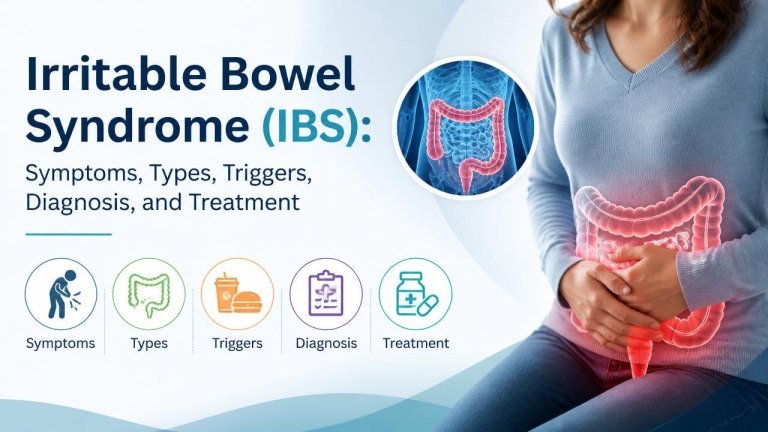
Irritable bowel syndrome (IBS) is a common digestive disorder that affects how the gut functions. It can cause ongoing or recurring abdominal discomfort and changes in bowel habits, even when routine tests do not show visible damage to the digestive tract.
IBS can be frustrating, but symptoms can often be managed with an individualized combination of dietary changes, lifestyle habits, stress support, and medication when appropriate. This guide explains the main types of IBS, common triggers, how doctors diagnose it, and which treatments may help.
What Is Irritable Bowel Syndrome?
IBS is a disorder of gut-brain interaction. This means communication between the digestive system and nervous system may affect bowel sensitivity and movement. Symptoms may come and go, and their intensity can vary over time.
IBS does not usually cause visible inflammation or permanent damage to the intestines. However, its effects are real and can interfere with daily activities, symptoms that affect sleep, eating, and emotional well-being. A healthcare professional can help distinguish IBS from other conditions with similar symptoms.

Common Symptoms of IBS
IBS symptoms differ from person to person. They may improve for a while and then return, sometimes in response to food, stress, illness, or hormonal changes.
- Abdominal pain or cramping that may improve after a bowel movement
- Bloating, gas, or a feeling of fullness
- Diarrhea, constipation, or alternating bowel patterns
- A change in the frequency or appearance of stools
- An urgent need to use the bathroom
- A feeling that the bowel has not completely emptied
- Mucus in the stool
IBS may also occur alongside fatigue, nausea, backache, or symptoms outside the digestive system. These symptoms are not specific to IBS, so persistent or concerning changes should be evaluated by a clinician.
Types of IBS
Doctors commonly classify IBS according to the person’s predominant stool pattern. Symptoms may shift over time, so the type can change as well.
IBS with constipation
IBS with constipation, often called IBS-C, involves hard or lumpy stools on a recurring basis. People may also experience straining, infrequent bowel movements, or a sensation of incomplete emptying.
IBS with diarrhea
IBS with diarrhea, or IBS-D, is characterized by loose or watery stools and may include urgency or frequent trips to the bathroom. Cramping may occur before or during a bowel movement.
Mixed IBS
Mixed IBS, known as IBS-M, involves both constipation and diarrhea. The dominant pattern may vary from one period to another, making symptom tracking especially useful.
Common IBS Triggers
Triggers are highly individual. A food or situation that causes symptoms for one person may not affect another. Identifying patterns is more useful than avoiding large numbers of foods without guidance.
- Certain foods, including high-fat meals, spicy foods, or some fermentable carbohydrates
- Large meals or eating too quickly
- Caffeine, alcohol, or carbonated drinks
- Stress and anxiety
- Changes in sleep or daily routine
- Hormonal changes for some people
- Gastrointestinal infections or antibiotic use
- Low physical activity or inadequate fluid intake
A food and symptom diary can help identify relationships among meals, bowel habits, stress, and sleep. Because restrictive diets can create nutritional problems, discuss major dietary changes with a healthcare professional or registered dietitian.
How IBS Is Diagnosed
There is no single test that confirms IBS. Diagnosis usually involves a detailed discussion of symptoms, a medical history, a physical examination, and selected tests when needed.
A clinician may ask about the location and pattern of pain, stool changes, symptom duration, family history, medications, diet, and warning signs. Blood tests, stool tests, or other investigations may be recommended to rule out conditions such as celiac disease, infection, inflammatory bowel disease, or other causes of persistent symptoms.
IBS is often diagnosed using symptom-based criteria, including recurring abdominal pain associated with bowel movements or changes in stool frequency or form. The exact evaluation depends on the individual’s age, medical history, and symptoms.

IBS Warning Signs That Need Medical Attention
Some symptoms are less typical of IBS and should be assessed promptly. Contact a healthcare professional if you have blood in the stool, unexplained weight loss, anemia, persistent vomiting, fever, severe or worsening pain, or symptoms that wake you regularly at night.
A new change in bowel habits, particularly later in adulthood, or a strong family history of colorectal cancer, inflammatory bowel disease, or celiac disease also warrants medical advice. Seek urgent care for severe abdominal pain, heavy bleeding, fainting, or signs of dehydration.
IBS Treatment and Management
There is no single treatment that works for everyone. Effective care usually focuses on the person’s main symptoms and may combine dietary, behavioral, and medical approaches.
Dietary strategies
Regular meals, slower eating, and appropriate fluid intake may help some people. A clinician or dietitian may suggest a carefully supervised low-FODMAP approach, which temporarily reduces certain fermentable carbohydrates before foods are gradually reintroduced.
Other useful adjustments may include increasing soluble fiber for constipation, reducing known trigger foods, or moderating caffeine and alcohol. Increase fiber gradually because a sudden change may worsen gas and bloating.
Lifestyle and stress support
Regular movement, consistent sleep, and time for relaxation can support bowel function. Stress does not mean symptoms are imagined; the gut and brain influence each other through nerves, hormones, and immune signals.
Mindfulness, cognitive behavioral therapy, gut-directed hypnotherapy, and other psychological approaches may reduce symptom severity for some people. These options can be especially helpful when stress-related flare-ups or health anxiety are part of the pattern.
Medicines
Medication depends on the dominant symptoms. Options may include fiber supplements or osmotic laxatives for constipation, antidiarrheal medicines for selected cases of diarrhea, and prescription treatments for persistent IBS-C or IBS-D.
Some people may benefit from antispasmodics for cramping or carefully selected low-dose antidepressants that affect gut pain processing. Always discuss medicines and supplements with a healthcare professional, particularly if you are pregnant, have another medical condition, or take other drugs.
Living Well with IBS
IBS management is often a process of finding a sustainable routine rather than following a perfect diet. Track symptoms without becoming overly restrictive, maintain regular movement, and plan ahead for travel or situations where bathroom access may be limited.
Work with your healthcare team to review ongoing symptoms and adjust treatment. The most helpful plan usually balances symptom control, nutritional adequacy, and quality of life.
When to Speak with a Healthcare Professional
Make an appointment if digestive symptoms are persistent, interfere with work or sleep, or require frequent self-treatment. Professional guidance can confirm whether IBS is likely and identify conditions that need different care.
Keep a record of bowel patterns, meals, medications, stress, and other symptoms before the visit. This information can make it easier to identify symptom patterns, discuss treatment goals, and create a practical long-term plan.
This article is for general educational purposes and does not replace personalized medical advice, diagnosis, or treatment.