Perimenopause is the natural transition toward menopause. It can begin gradually, with menstrual changes, sleep problems, mood shifts, hot flashes, or other symptoms that may be easy to mistake for stress or another health issue. Understanding menopause symptoms and treatment can make it easier to seek appropriate care and choose treatments that fit your needs.
What Is Perimenopause?
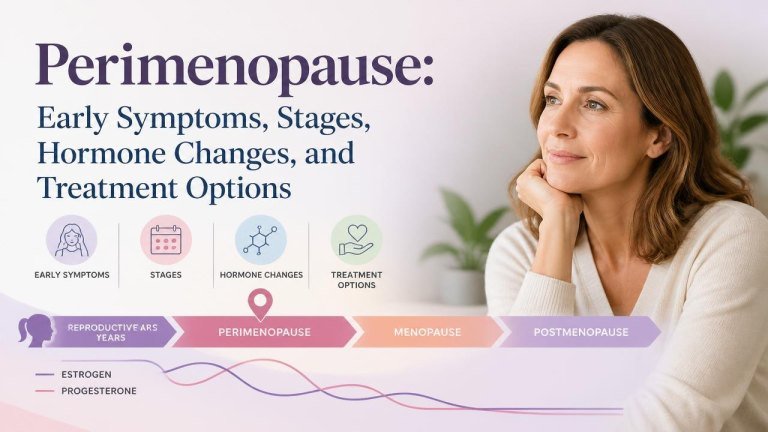
Perimenopause is the phase when the ovaries gradually produce hormones less consistently before menopause. During this transition, estrogen levels fluctuate, ovulation may become irregular, and menstrual cycles can change. Menopause is reached after 12 consecutive months without a menstrual period, provided there is no other explanation for the absence of periods.
The timing and experience vary widely. Some people notice symptoms for only a short time, while others experience changes for several years. Perimenopause can also occur earlier than expected, so persistent or unusual symptoms should be discussed with a healthcare professional.
Early Symptoms of Perimenopause
Early symptoms may be subtle and do not always appear in a predictable order. Common signs include:
- Changing menstrual cycles, such as shorter, longer, heavier, lighter, or skipped periods
- Hot flashes or night sweats
- Sleep difficulty, including trouble falling asleep or staying asleep
- Mood changes, irritability, anxiety, or low mood
- Breast tenderness, headaches, or worsening premenstrual symptoms
- Vaginal dryness or changes in sexual comfort
- Lower sexual desire or discomfort during intercourse
- Difficulty concentrating, sometimes described as “brain fog”
- Joint or muscle aches, fatigue, or changes in body composition
Symptoms can be influenced by stress, illness, medications, sleep habits, and other medical conditions. A symptom diary that records bleeding, sleep, mood, hot flashes, and possible triggers can help reveal patterns.
Perimenopause Stages and Timeline
Perimenopause does not follow a single timetable, and there is no precise test that predicts exactly when it will begin or end. It is often described in two broad stages.
Early Perimenopause
In early perimenopause, menstrual cycles may remain fairly regular but begin to change in length or flow. Cycle variation, new premenstrual symptoms, and occasional hot flashes may be among the first noticeable signs. Ovulation can still occur, so pregnancy remains possible.
Late Perimenopause
Late perimenopause is marked by more pronounced irregularity, including skipped periods and longer gaps between cycles. Hot flashes, sleep disruption, and vaginal symptoms may become more noticeable. Fertility declines, but contraception is still needed until menopause has been confirmed according to medical guidance.
Hormone Changes During Perimenopause
The main hormonal changes involve estrogen and progesterone, although the pattern is variable rather than steadily declining from day to day. Ovulation becomes less predictable, which can lead to lower or delayed progesterone production in some cycles. Estrogen may rise and fall sharply, contributing to changing symptoms.
These fluctuations can affect the brain, blood vessels, reproductive tissues, bones, and sleep regulation. Hormone levels also vary substantially throughout a normal cycle, so a single blood test may not accurately capture the overall perimenopause experience. Diagnosis is often based on age, symptoms, and menstrual history, particularly for people in the usual age range.
How Perimenopause Is Diagnosed
A clinician may ask about menstrual patterns, symptoms, medications, pregnancy possibility, medical history, and family history. Depending on the situation, they may consider tests to rule out other causes, such as thyroid disorders, anemia, pregnancy, or medication effects.

Seek medical advice for very heavy bleeding, bleeding after sex, bleeding between periods, periods that last unusually long, severe pelvic pain, or any bleeding after menopause. Prompt evaluation is important because other causes of pelvic pain and bleeding should not be attributed automatically to perimenopause.
Perimenopause Treatment Options
Treatment depends on symptom severity, health history, personal preferences, and whether contraception is needed. Some people need no medical treatment, while others benefit from a combination of approaches.
Menopausal Hormone Therapy
Menopause hormone therapy may help relieve hot flashes, night sweats, sleep disruption related to these symptoms, and some vaginal symptoms. It generally involves estrogen, and people with a uterus usually need a progestogen to protect the uterine lining. Treatment should be individualized after discussing benefits, risks, medical history, and alternatives with a qualified clinician.
Nonhormonal Medicines
Several prescription options may reduce vasomotor symptoms for people who cannot use or prefer not to use hormone therapy. Depending on the individual, clinicians may discuss certain antidepressants, other nervous-system medicines, or newer targeted treatments. Medication interactions, side effects, and existing conditions should be reviewed before starting treatment.
Vaginal and Sexual Health Treatments
For vaginal dryness, irritation, or painful sex, lubricants and moisturizers may provide relief. A clinician may also recommend local vaginal estrogen or another local treatment when appropriate. Persistent pain, bleeding, or recurrent urinary symptoms deserve professional assessment rather than self-treatment alone.
Lifestyle Strategies That May Help
Lifestyle changes cannot stop perimenopause, but they may improve comfort and overall health. Helpful strategies can include:
- Keeping the bedroom cool and wearing breathable layers for night sweats
- Maintaining a regular sleep and wake schedule
- Doing strength and weight-bearing exercise alongside aerobic activity
- Eating a varied diet with adequate protein, fiber, and calcium-rich foods
- Reducing personal triggers such as alcohol, nicotine, caffeine, or spicy foods if they worsen symptoms
- Using stress-management practices, therapy, or mindfulness for emotional wellbeing
Regular movement, restorative sleep, and a supportive healthcare relationship can help with symptoms while also supporting bone, heart, and mental health over time.
Can You Get Pregnant During Perimenopause?
Yes. Ovulation may still occur even when periods become irregular, so pregnancy is possible until menopause is confirmed. If pregnancy is not desired, discuss reliable contraception with a healthcare professional. Contraceptive choices may also help manage heavy bleeding or other symptoms for some people.
When to Talk With a Healthcare Professional
Arrange an appointment if symptoms interfere with work, relationships, sleep, or daily activities. Professional guidance is especially important for new severe symptoms, significant mood changes, troublesome bleeding, or symptoms that could indicate another condition.
Keeping notes about cycle dates, bleeding intensity, hot flashes, sleep, mood, and treatments can make the appointment more productive. With accurate information and individualized care, perimenopause can be managed rather than simply endured.