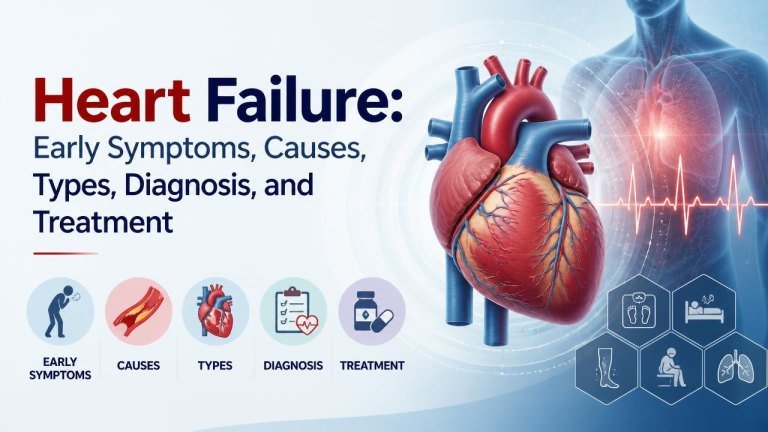
Heart failure does not mean the heart has stopped working. It means the heart cannot pump enough blood to meet the body’s needs, or it can do so only with increased pressure. Symptoms may develop gradually, so knowing the early warning signs can help people seek care sooner.
What Is Heart Failure?
Heart failure is a long-term condition in which the heart’s pumping or filling ability is reduced. As a result, the body may receive less oxygen-rich blood, while fluid can build up in the lungs, legs, or abdomen. Shortness of breath, fluid retention, and reduced exercise tolerance are common features, but symptoms vary from person to person.
Heart failure can affect the left side, right side, or both sides of the heart. It may be sudden and severe, or it may develop slowly over months or years.
Early Symptoms of Heart Failure
Early symptoms can be mild and easy to mistake for aging, stress, or being out of shape. Pay attention to changes that are new, persistent, or getting worse. Important warning signs include breathlessness during activity, unusual tiredness, and swelling in the ankles.
- Shortness of breath when walking, climbing stairs, or lying flat
- Fatigue, weakness, or reduced ability to exercise
- Swelling in the feet, ankles, legs, or abdomen
- Rapid weight gain from fluid buildup
- A persistent cough or wheezing, sometimes with frothy mucus
- Waking at night gasping for air or needing extra pillows
- A fast or irregular heartbeat
- Reduced appetite, nausea, or a feeling of fullness
- Difficulty concentrating or feeling unusually confused
Symptoms may fluctuate. Keeping track of daily weight, swelling, breathing, and activity levels can help identify changes early, especially for people already diagnosed with heart failure.
When Symptoms Need Urgent Attention
Seek emergency medical help for severe breathing difficulty, chest pain, or fainting. Sudden confusion, blue or gray lips, coughing up pink frothy mucus, or rapidly worsening symptoms may indicate a serious emergency. Do not drive yourself if symptoms are severe.
Causes and Risk Factors
Heart failure usually develops because another condition has damaged or overworked the heart. Common causes include coronary artery disease, high blood pressure, and previous heart attack. Other possible causes and contributors include:
- Heart valve disease
- Cardiomyopathy or inflammation of the heart muscle
- Abnormal heart rhythms
- Congenital heart defects
- Diabetes and kidney disease
- Obesity and sleep apnea
- Excess alcohol use or certain drugs that affect the heart
- Some infections, autoimmune diseases, or inherited conditions
Risk increases with age, but heart failure can occur at any age. Controlling blood pressure, cholesterol, blood sugar levels, and tobacco exposure can help reduce risk.
Types of Heart Failure
Doctors classify heart failure in several ways. Understanding the type helps guide treatment and monitoring. The most important distinctions involve the side of the heart affected, the speed of onset, and the ejection fraction.
Left-Sided and Right-Sided Heart Failure
Left-sided heart failure is the most common form. It can cause fluid to back up in the lungs, leading to breathlessness and coughing. Right-sided heart failure often causes fluid buildup in the legs, ankles, abdomen, or veins, although both sides may be affected at the same time.
Heart Failure With Reduced or Preserved Ejection Fraction
Reduced ejection fraction means the heart’s main pumping chamber contracts less effectively. Preserved ejection fraction means the heart may pump out a normal proportion of blood but has difficulty relaxing and filling. Some people have mildly reduced ejection fraction, which falls between these categories.
Ejection fraction is only one part of the assessment. Symptoms, imaging results, underlying causes, and other health conditions also matter.
Acute and Chronic Heart Failure
Chronic heart failure develops or persists over time and requires ongoing care. Acute heart failure appears suddenly or worsens rapidly and may require emergency treatment. A sudden change in breathing, swelling, or weight should be reported promptly.
How Heart Failure Is Diagnosed
Diagnosis begins with a medical history and physical examination. A clinician may ask about breathing changes, activity limitations, medication use, and previous heart or kidney problems. The examination may look for swelling, abnormal heart sounds, lung congestion, and changes in blood pressure or pulse.
Tests may include:
- Echocardiogram to assess heart structure, valves, pumping function, and ejection fraction
- Electrocardiogram to check the heart’s rhythm and electrical activity
- Chest X-ray to look for an enlarged heart or fluid in the lungs
- Blood tests, including markers that can support a heart failure diagnosis
- Kidney function, electrolyte, thyroid, blood sugar, and blood count testing
- Stress testing, cardiac MRI, coronary imaging, or catheterization when appropriate
Other conditions can cause similar symptoms, so diagnosis should be made by a qualified healthcare professional rather than by symptoms alone.
Heart Failure Treatment
Treatment aims to relieve symptoms, reduce hospitalizations, slow progression, and improve quality of life. The plan depends on the type and severity of heart failure, ejection fraction, underlying cause, kidney function, blood pressure, and other conditions. Common approaches include prescription medicines, cholesterol management, and treatment of the underlying cause.
Medicines
Depending on the individual situation, clinicians may prescribe medicines that reduce strain on the heart, control fluid, or lower the risk of complications. These may include diuretics, medicines that affect blood pressure and heart remodeling, mineralocorticoid receptor antagonists, sodium-glucose cotransporter-2 inhibitors, or other therapies.
Take medicines exactly as prescribed and do not stop them without medical advice. Some drugs, including certain pain relievers or supplements, may worsen fluid retention or interact with heart failure treatment. Ask a clinician or pharmacist before starting anything new.
Devices and Procedures
Some people benefit from a pacemaker, implantable defibrillator, or cardiac resynchronization therapy. Procedures may also be used to repair or replace a damaged valve, restore blood flow, or treat an abnormal rhythm. Advanced heart failure may require specialist evaluation for mechanical circulatory support or transplantation.
Lifestyle and Daily Self-Care
Medical treatment works best alongside a practical self-care plan. Helpful steps may include monitoring daily weight, following an individualized fluid or sodium plan, staying physically active within safe limits, avoiding tobacco, limiting alcohol when advised, and keeping vaccinations and appointments up to date.
Ask the care team how much activity, fluid, and sodium is appropriate. Seek advice if weight rises quickly, swelling increases, or breathing becomes more difficult.
Living With Heart Failure
Heart failure is often manageable with regular follow-up and consistent treatment. A written care plan can make it easier to track medication schedules, daily symptoms, and warning changes. Family members or caregivers may help with appointments, monitoring, and emergency planning.
Emotional support also matters. Anxiety and depression are common after diagnosis. Discuss these concerns with a healthcare professional, and consider cardiac rehabilitation or a reputable support program when available.
When to Contact a Healthcare Professional
Arrange medical care for new or worsening breathlessness, persistent swelling, unexplained fatigue, nighttime breathing problems, or rapid weight gain. Early assessment can identify a treatable cause and help prevent complications. For severe breathlessness, chest pressure, fainting, or sudden deterioration, call emergency services immediately.
This article is for general education and does not replace personalized medical advice, diagnosis, or treatment.